

























![The market-builder who restrained the market [Part 2]](https://muslimviews.co.za/wp-content/uploads/2026/08/PHOTO-2026-08-25-17-16-32-360x180.jpg)
![The merchant preceding the Prophetic mission [Part 1]](https://muslimviews.co.za/wp-content/uploads/2026/08/01-360x180.jpg)







Iran’s rich civilisation faces devastating losses as the illegal US-Israeli war destroys schools, universities, and heritage, raising urgent concerns.
By AMENA KHAN-HAYAT
Iran is one of the bearers of the world’s greatest civilisation and culture. Its scientific and philosophical contributions have been immense. Rooted in the Ancient Persian Empire, it has deeply shaped human history. The obliteration of the historical heritage of this great nation in war would be devastating.
Indeed, the systematic destruction of Iran signifies an attempt to obliterate its historical legacy.
The central objective of the assassination of Supreme Leader Ayatollah Ali Khamenei, and key senior figures such as Ali Shamkhani, Mohammed Pakpour, Ali Larijani, Aziz Nasirzadeh and Esmail Khatib, was aimed at inducing regime change in Iran, one which would align with American and Israeli interests. Despite these killings, the Iranian regime has proven to be remarkably resilient, has maintained a defiant stance, and endured.
The war has seen the deliberate destruction of educational infrastructure, with reports indicating 600 schools and dozens of libraries have been destroyed, constituting a profound loss of life among students and academics. The harsh realities of the conflict are highlighted by the bombing of a school in Iran which claimed the lives of 160 to 180 schoolgirls.
Incidentally, the rhetoric of President Trump, ‘A whole civilisation will die tonight’, if the Strait of Hormuz was not reopened, is seen as genocidal intent against the Iranians.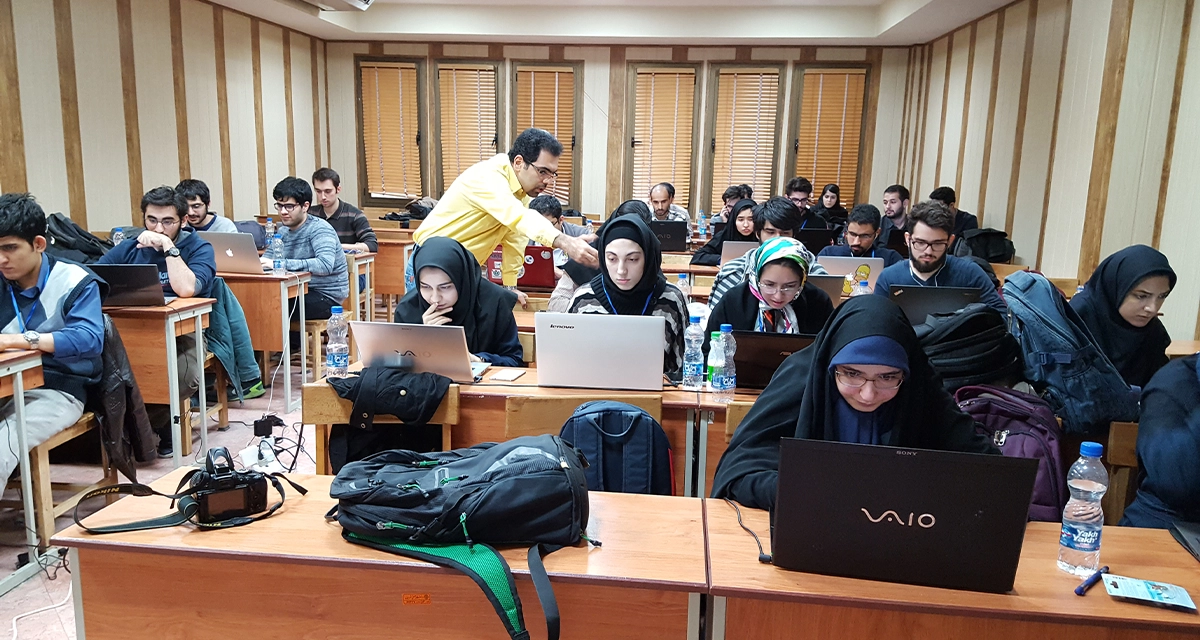
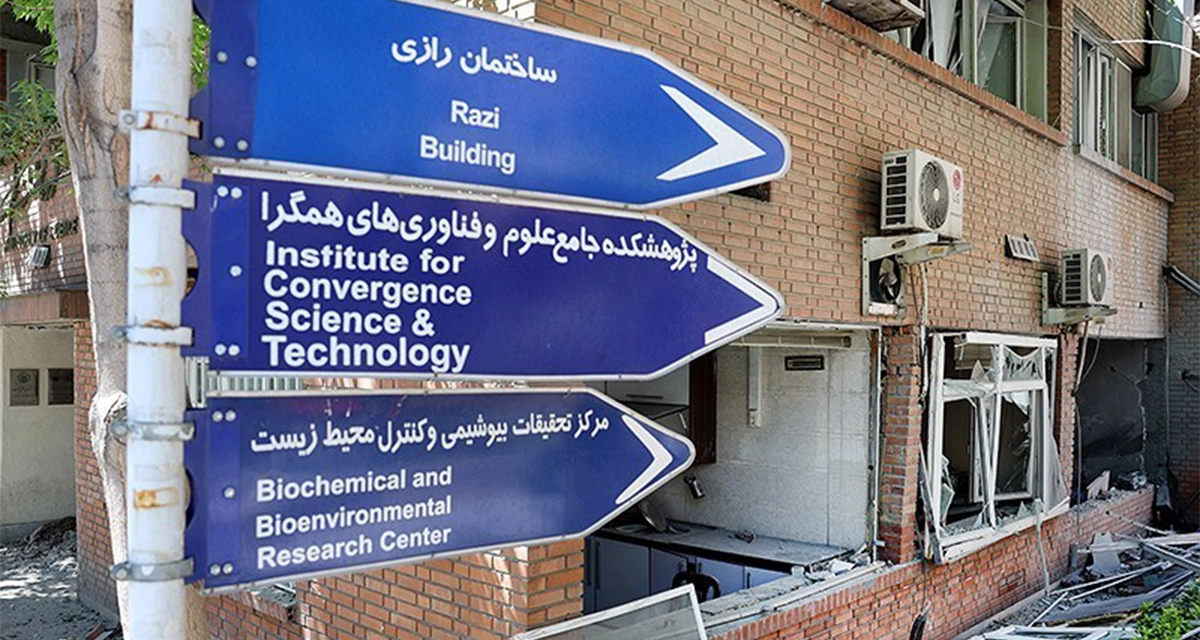

The targeted destruction of over 30 universities has resulted in a devastating loss of scientists and professors. Among others, Sharif University of Technology, Tehran University of Space Science and Technology, Shahid Beheshti University, and Iran University of Science and Technology.
These are not isolated incidents, but part of a broader strategy aimed at diminishing Iran’s knowledge capacity, obliterating its historic legacy and impacting future generations’ potential to innovate and develop.
You may also want to read


![A mother’s taweez and the Cape’s interfaith traditions [+ video]](https://muslimviews.co.za/wp-content/uploads/2026/05/Michael-Weeder-Book-Launch-9May26-120x86.webp)
Iran’s ability to fully restore key institutions is severely hindered by chronic economic instability and severe international sanctions. The Central Bank of Iran has estimated that rebuilding the country’s economy and infrastructure could take up to 12 years.
As for now, mid-April, a fragile ceasefire has provided a temporary pause, but the underlying tensions remain high, with continued concerns of a potential return to a full-scale conflict.