














A new biography of Hassan Howa turns a book launch into a challenge for South African sport, revisiting SACOS, non-racialism, sporting unity and whether today’s structures have delivered the equality Howa spent his life demanding.
By ANWAR OMAR
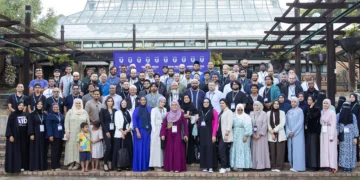
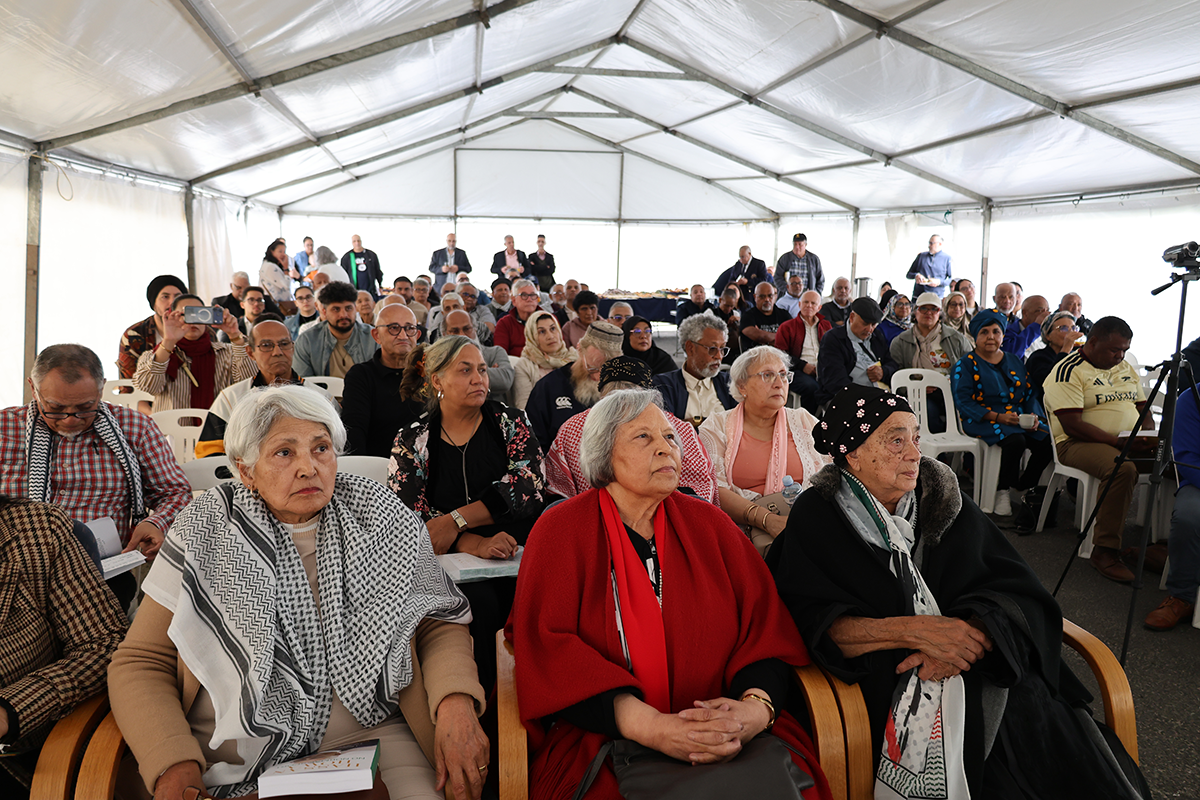
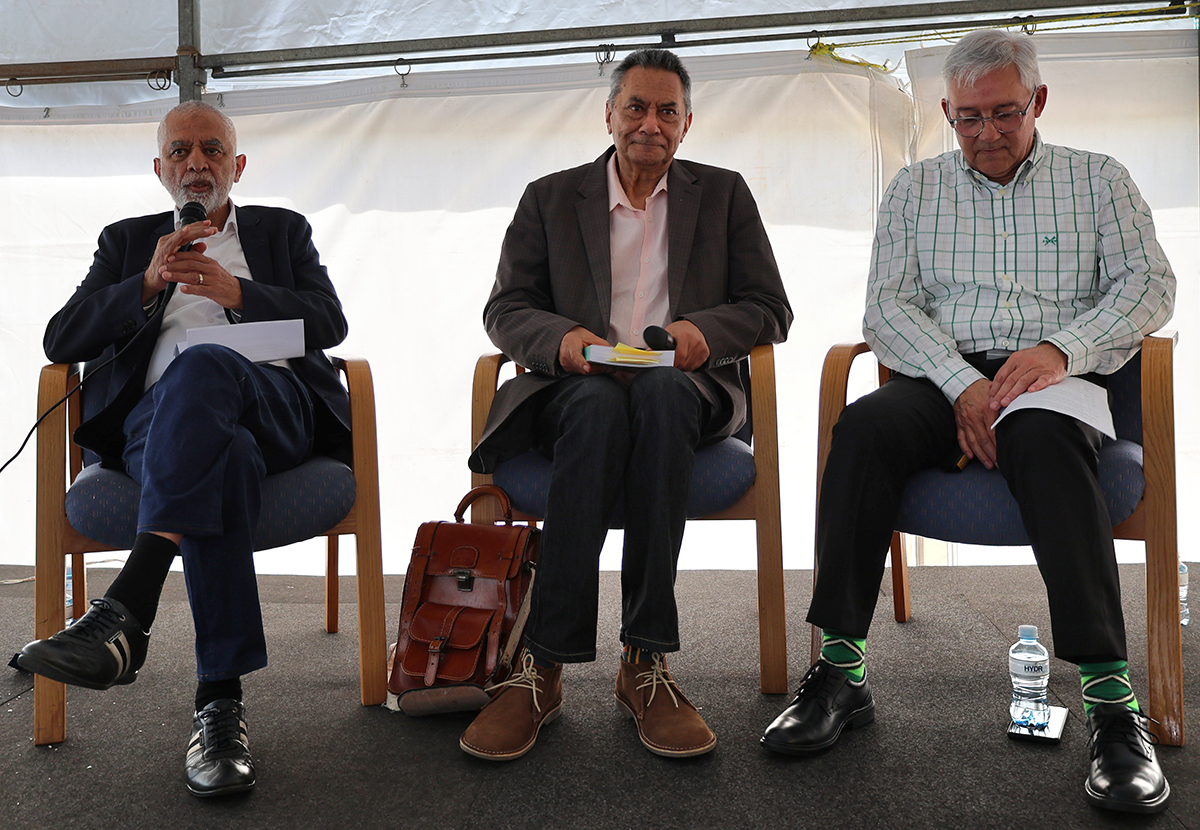
At the Hassan Howa Pavilion in Surrey Estate on Saturday, October 24, 2026, young cricketers played on the field next door while inside, speakers asked whether those children have the opportunities Howa dedicated his life fighting for.
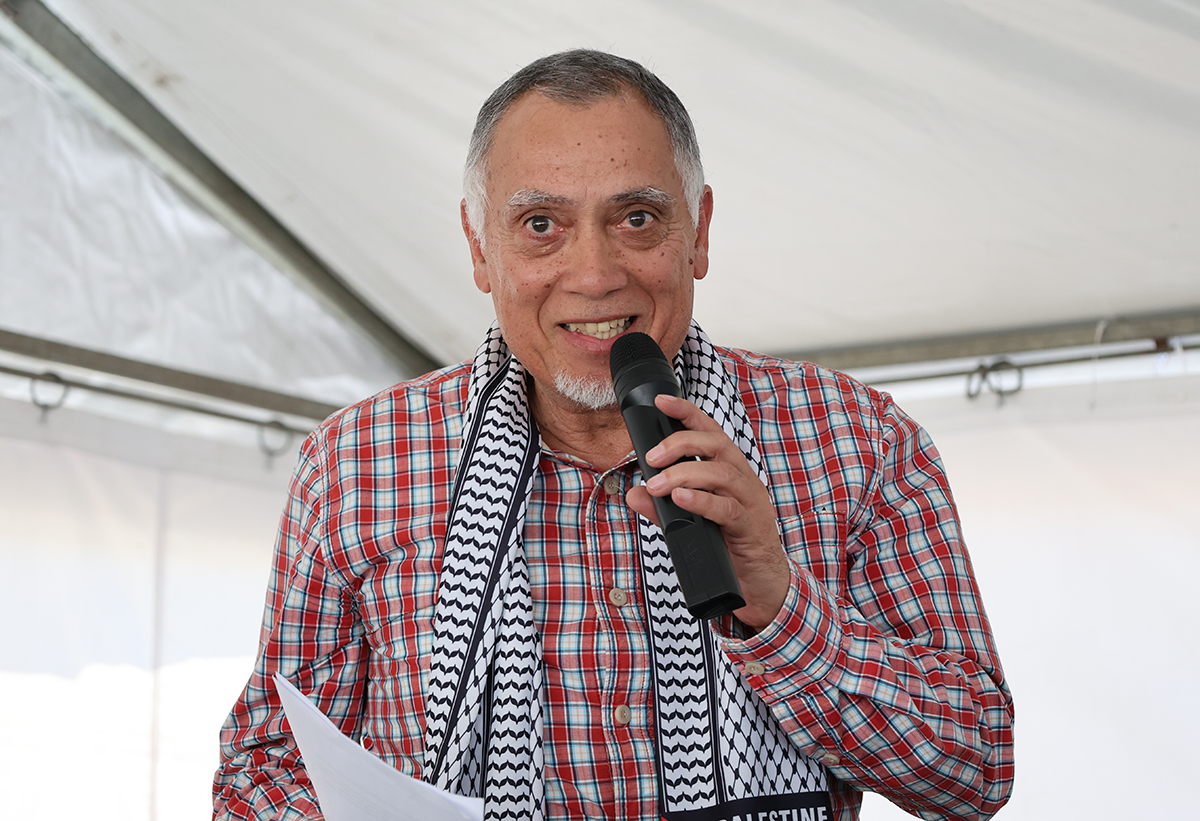
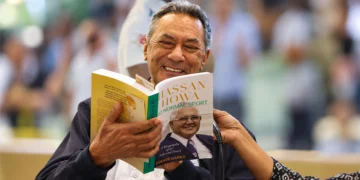
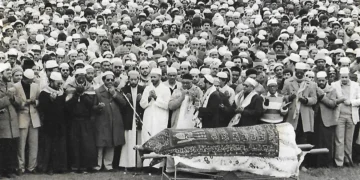
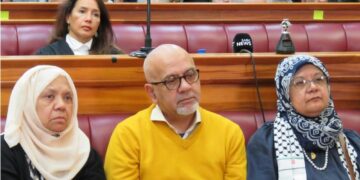
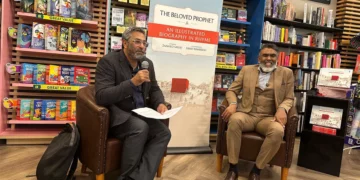
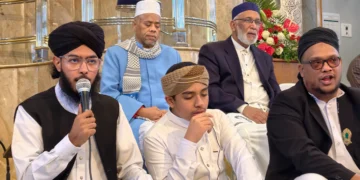
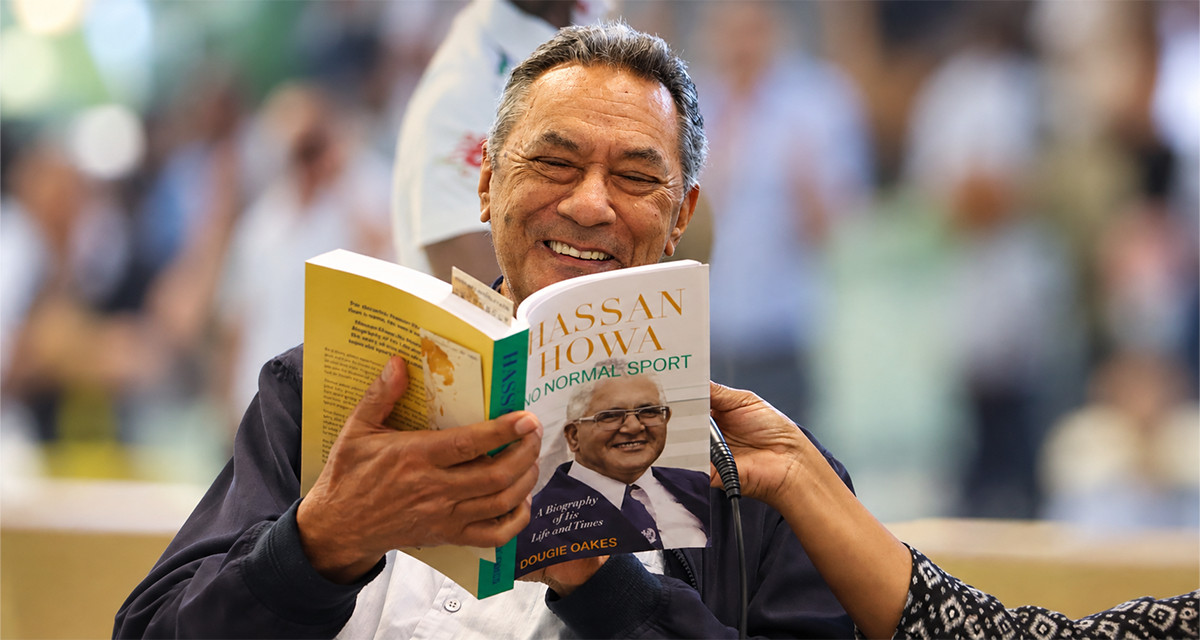
The occasion was the launch of Hassan Howa: No Normal Sport, Dougie Oakes’s biography of the cricket administrator who led the South African Council on Sport (SACOS). Hosted by the Howa family and the Ottoman Cricket Club, founded in 1882, it became more than a celebration.
The consensus among speakers was that Howa’s warnings about a hollow sporting unity had been vindicated. Oakes’ new biography of the non-racial sport leader drew former administrators, journalists and family to the pavilion that bears Howa’s name and left them asking what has really changed.
The sports wing of the liberation struggle
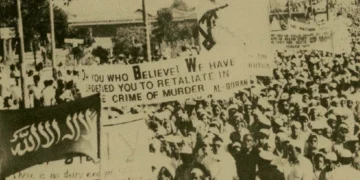
SACOS was formed in March 1973. It opposed all racial structures in sport and called for South Africa’s expulsion from the Olympics. Through its Double Standards Resolution, it refused any dealings with established white sport while apartheid lasted. “No normal sport in an abnormal society” became its rallying cry, and by the early 1980s it was the recognised sports wing of the liberation movement.
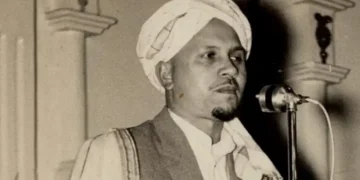
Howa, a founder member of the SA Cricket Board of Control in 1947, was instrumental in founding SACOS and was its president from 1977 to 1981. At the National Orders ceremony on October 19, 2004, the government posthumously awarded him the Order of Ikhamanga in Silver for “his excellent contribution to the struggle for and the development of non-racial sport in South Africa.”
Standing by the name
In 1982, in the club’s centenary booklet, Howa promised Ottoman’s members that they would not be disadvantaged in the next hundred years. When the clubhouse opened in March 2003 and some questioned the choice of his name, the club’s answer, according to the chair Fareed Abrahams, was simple: why not Hassan Howa?
“Ottoman Cricket Club has never felt the need to apologise for naming its clubhouse the Hassan Howa Pavilion, and it will not do so now.”
You may also want to read




Abrahams also defended Howa’s meeting with Ali Bacher, which led critics to brand him a sellout: Howa, he said, believed the boycott had done its work.
A right, not a privilege
Keynote speaker Moegsien Williams, a veteran journalist and editor, recalled that the apartheid government refused Howa a passport several times. By his ninth application in 1984, Howa was still insisting it was a right, not a privilege.
“He refused to allow an unjust authority’s rejection to become his own acceptance of defeat.”
He also told how Howa borrowed R2 000 so that a young opera singer from Retreat could study in London. Bringing Howa’s principle into the present, he said: “We cannot build a normal society while continuing to accept abnormal levels of inequality.”
Bogus unity
Howa supported a single cricket body all his life but called the 1991 unity a sham. Until his death in February 1992, he never attended a match under the new body. According to Oakes, Howa was not against unity, only against bogus unity, because from his perspective, township children would gain nothing from it.
Williams admitted that many, himself included, were swept along by the euphoria of the 1990s.
“We were caught up. We ran along. And now, 30 years later, we have to say it… Hassan Howa was right.”
Oakes went further.
“I’d say even Mandela succumbed to the temptation of giving aspects of the ugly old South African order a shiny makeover instead of utter denunciation.”
He cited Mandela’s early-1990s remark, recorded by Michael Marqusee in Anyone But England, that sport was quite different from politics.
The movement’s blind spots
The panel was equally critical of SACOS. Oakes said it insisted on purity and turned on anyone who stepped out of line. Asked whether unification had settled for a false non-racialism, he said:
“I think maybe non-racialism wasn’t the correct term to use at the time. I think what we needed actually was anti-racism.”
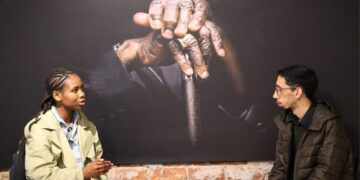
Panel moderator Dr Ismail Teladia recalled serving on the South African Black Intervarsity Council in the early 1980s.
“When I spoke about no normal sport in an abnormal society… they didn’t know what I was talking about… We didn’t reach the black communities in this country.”
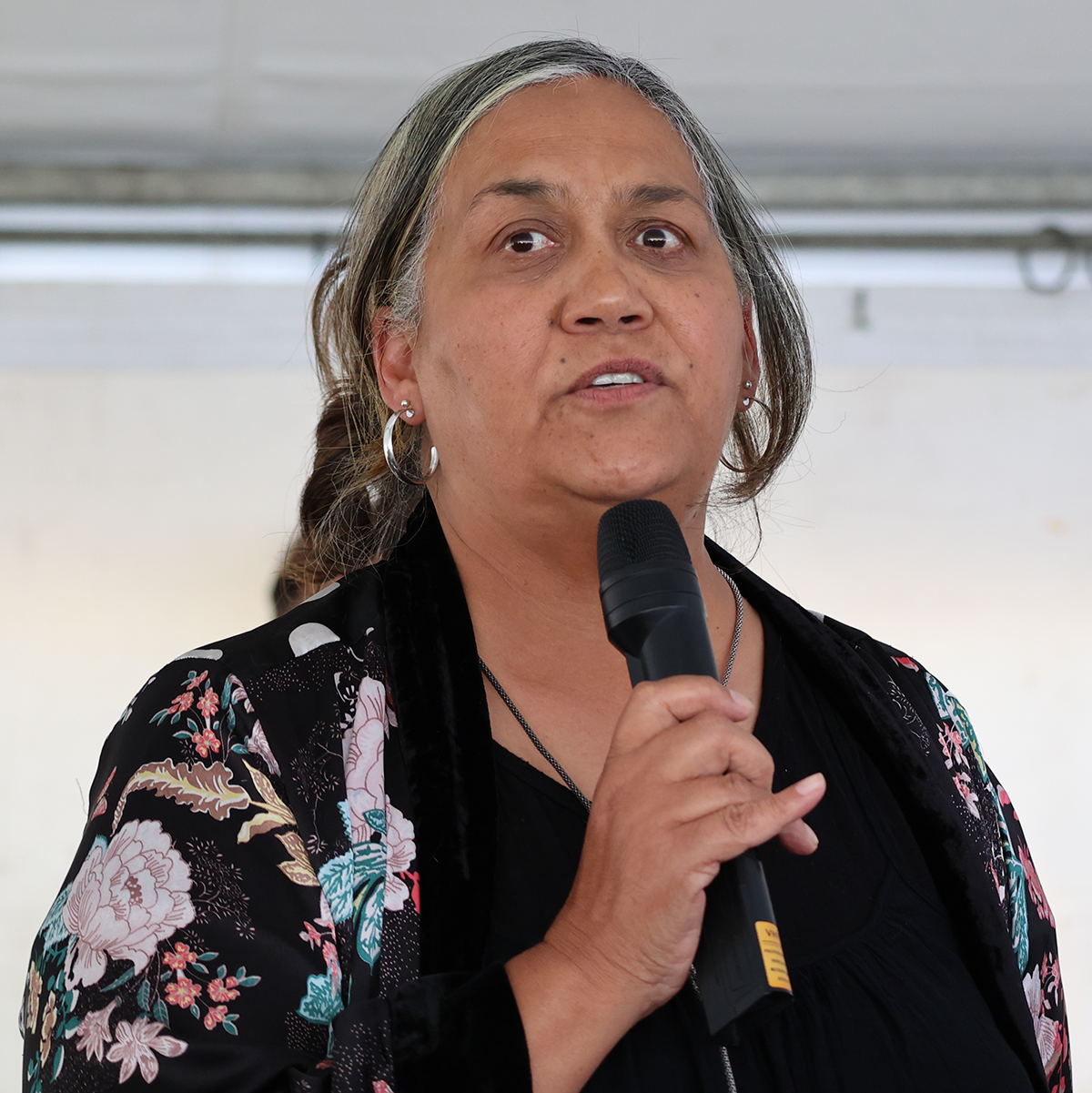
From the floor, teacher Shamees Howa-Domingo said the euphoria of the early 1990s has been replaced by euphemism and urged help for the schools that have very little.
The values of the club
Closing the event, Howa’s son Sadiq recalled bringing a junior team from poorer areas to play at Ottoman.
“The Ottoman players took out the lunch they had brought along for their own team and, without eating, walked across to our team and shared it. Now that is the values of this club.”
Unfinished business
The name on Ottoman’s pavilion is more than a tribute. It poses questions Howa would still be asking.
He would ask why the South African Football Association, a leading member of the Confederation of African Football, is not using Africa’s voting weight in FIFA to push for Israel’s expulsion from world football. Apartheid South Africa was suspended by FIFA in 1961, in the wake of Sharpeville, and expelled in 1976 after Soweto. Today Israel stands accused of genocide in Gaza, ethnic cleansing in the West Bank and apartheid between the river and the sea. Yet this year FIFA declined to suspend it, opting for a fine. If isolation was right for apartheid South Africa, why is it not gaining traction now? And who, if not South Africa, should make that case?
Oakes is not optimistic. Asked what Howa would make of today’s world, he said: “I think if he was alive today, he would have found it much more difficult than when he was at his peak. I think that the world has actually gone several steps backwards.”
Howa would ask whether South African sport has truly drawn on the best of all the country’s talent since 1992, or only on those lucky enough to be spotted and given a bursary.
The voice of SACOS erased
In the late 1980s, many followed the New South Africa project uncritically. Those who questioned it, as SACOS did, were labelled extremists and radicals. Mandela himself, as Oakes reminded the audience, criticised those who still held that there could be no normal sport in an abnormal society.
If Howa were alive, he would question why the voice of SACOS has been erased. Its history haunts activists who swept it aside in the rush for unity, many of whom rose to prominence in the new sporting dispensation with little anti-apartheid sports activism behind them.
Historian Noor Nieftagodien calls SACOS the largest grassroots sports movement in South African history, yet it was neglected as post-1994 histories of the struggle centred on the ANC. The ANC-aligned National Sports Congress represented only a fraction of SACOS’s members, he notes, but its alliance gave it the upper hand in the unity talks.
In that official narrative, Howa barely features. His name survives on a modest pavilion in Surrey Estate, kept alive by a club, a family and now a book. Saturday’s launch was a small act of recovery, restoring a voice the official story has erased.