




















Preparing for the 475-kilometre Hijra Cycle Tour becomes a reflection on faith, remembrance, discipline and justice, as Adnaan Adams considers how his father’s example shaped a life of showing up, serving others and acting with purpose.

By ADNAAN ADAMS
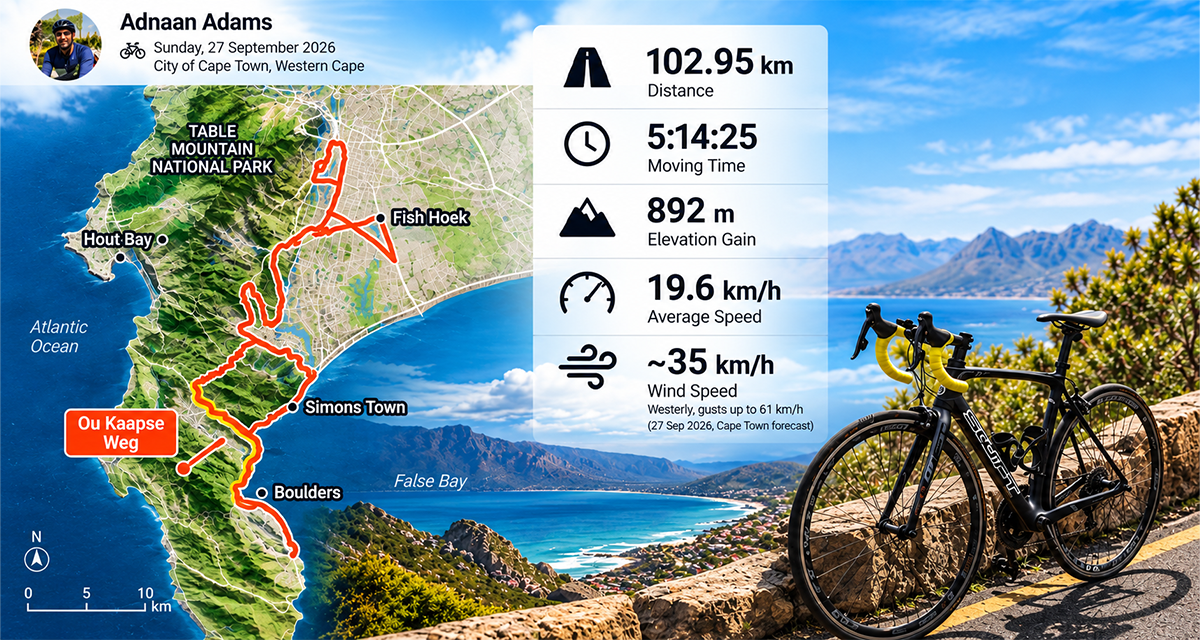
More than 50 days into my preparation for the 475-kilometre Hijrah Cycle Tour, I have been thinking about my father. Not because he was a cyclist. He was not. But because the bicycle is teaching me something he seemed to understand deeply: the importance of showing up, consistently and consciously.
He had little formal schooling, perhaps only as far as Standard Six. Life required him to work from a young age, first as a hawker selling fruit and vegetables in Wynberg Main Road, and later as a carpenter, providing a more dependable income for his family. Despite his limited formal education, he was an ardent reader. I remember the Cape Times in the morning and the Cape Argus at night, often read from cover to cover. And there were always books beside his bed. Reading kept him focused on the world beyond himself. Living through apartheid, he was acutely conscious of injustice and supported organisations and community structures that stood against it.
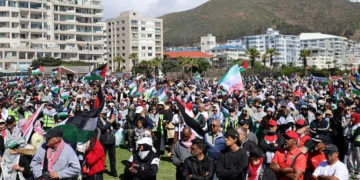
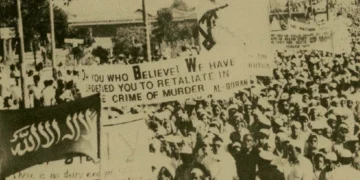
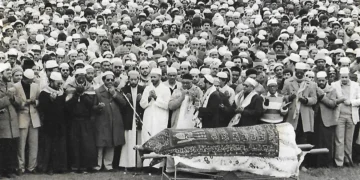
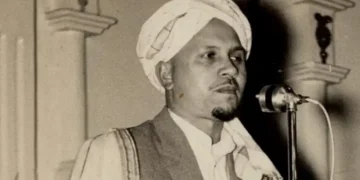
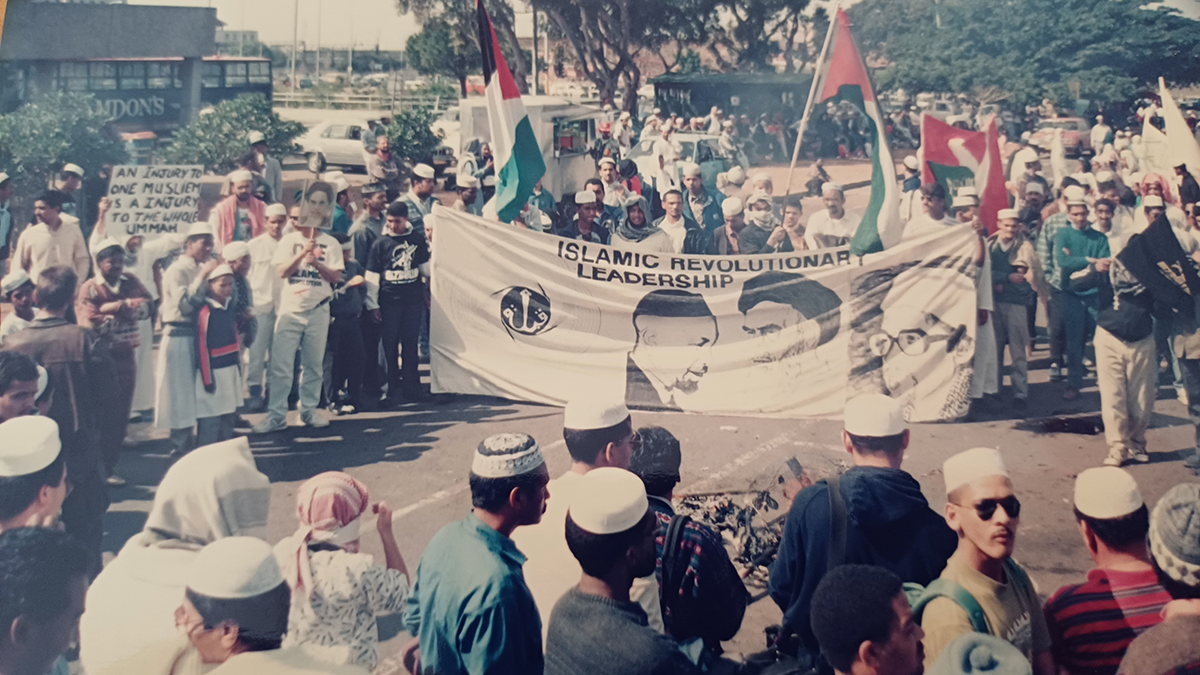
Year after year, we attended the Imam Abdullah Haron commemorations. On the last Friday of Ramadan, we joined the Al Quds march for the oppressed. Often, my father would fetch me from school so that I could join the march beginning at Muir Street Mosque. I have joined that march since my teenage years. Only later did I understand how such experiences educated me. There was no formal lesson, but there was a curriculum: read, remember, become conscious, and act.
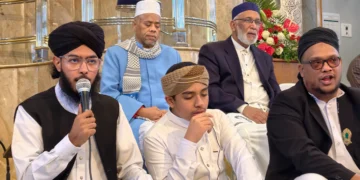
He was also committed to his weekly gadat (dhikr). Remembrance mattered deeply to him. He seemed aware of a spiritual danger: repetition without reflection can become an end in itself. Remembrance had to shape how one lived.
He would often repeat the famous hadith: “Worship Allah as though you see Him; and if you cannot see Him, know that He sees you.”
There is a profound consciousness in these words. To remember Allah is also to become observant of how we live. What does prayer produce in us beyond prayer? Where does dhikr take us when the gathering ends? What does faith demand when we encounter injustice? He seemed to understand that faith required us to show up, for remembrance, knowledge, justice and the oppressed. Again, and again.
The discipline of returning
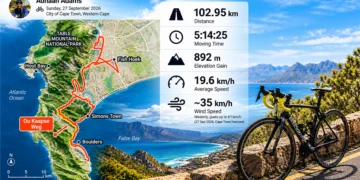
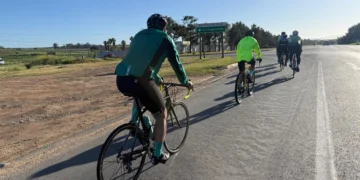
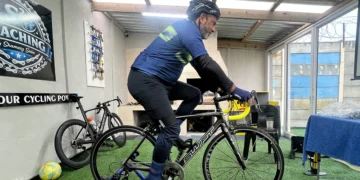
More than 50 days on a bicycle, I am encountering that lesson differently. Preparing for 475 kilometres requires returning to the saddle repeatedly. Some rides are long; others short. Some days improvement is measurable; on others, almost unnoticeable. But every kilometre matters.
The Prophet Muhammad (ﷺ) taught that the deeds most beloved to Allah are those that are most consistent, even if they are small. A single pedal stroke achieves little. Thousands can carry you across a mountain – even across Ou Kaapse Weg. One kilometre seems insignificant against 475, but there can be no 475 kilometres without the first, and then the next. Perhaps faith is formed in much the same way.
Much of what forms us happens incrementally: a prayer consistently performed, a page read, a weekly gadat (dhikr), an annual march, a decision to stand against injustice, or a training ride completed when staying home would have been easier. The bicycle is teaching me that discipline is not merely repetition. It is returning with purpose.
Body, mind and spirit
You may also want to read



Cycling begins with the body. The legs tire and the body complains on a climb. Eventually, the bicycle exposes the mind as well. When the road rises and fatigue sets in, an internal negotiation begins: slow down, stop, turn around, you have done enough. Sometimes the deeper question emerges: Why am I doing this? The body is being trained, but so is the mind. And perhaps, approached with the right intention, something deeper within us is being formed too: patience, humility, gratitude and perseverance.
Of course, the bicycle does not make one more faithful, nor should physical endurance be confused with spiritual excellence. But discipline can become a site of formation. There are kilometres when nobody is watching. No pictures. No social-media post. No applause. There is simply the road, the bicycle and the decision to continue.
And here the hadith my father often quoted returns: “If you cannot see Him, know that He sees you.”
The question is no longer simply, Can I cycle 475 kilometres? A more demanding question arises: What is this journey forming within me?
Faith in motion
Perhaps this is one way of thinking about Hijra. Movement alone is not transformation. We can travel enormous distances and remain unchanged. The more difficult journey is inward, but it cannot end there. My father read. He remembered Allah through gadat (dhikr). He remained mindful to injustice. He commemorated Imam Abdullah Haron. He marched and spoke out for the oppressed. And he took me along.
I did not fully understand it then, but I was being taught that faith cannot simply be something we possess. Faith must move us. Sometimes towards the mosque. Sometimes towards knowledge. Sometimes towards those experiencing injustice. And perhaps, sometimes onto a bicycle.
The 475 kilometres ahead now represent more than distance. The bicycle is becoming a place of discipline, reflection and formation, one pedal stroke, one climb, one kilometre at a time. But formation cannot remain personal. The journey raises a larger question: What am I prepared to build, not only within myself, but within my community and for those who come after us?
Perhaps this is how faith travels across generations: not only through what we say, but through what others repeatedly see us doing. Inner discipline should become outward responsibility; consciousness should become action; and what is formed within us should become service among us.
It seemed that my father understood something about that long before I owned a bicycle:
Keep reading. Keep remembering. Keep standing for justice. Keep showing up.
Perhaps faith is revealed in our willingness to keep showing up when no one is watching, and in building something that enables others to continue long after us.
Allah sees you.
Adnaan Adams is a Hijra Cycle Tour participant and founder of the Muslim Thinker. He can be contacted on WhatsApp: 083 687 0559.