















![The market-builder who restrained the market [Part 2]](https://muslimviews.co.za/wp-content/uploads/2026/08/PHOTO-2026-08-25-17-16-32-360x180.jpg)
![The merchant preceding the Prophetic mission [Part 1]](https://muslimviews.co.za/wp-content/uploads/2026/08/01-360x180.jpg)


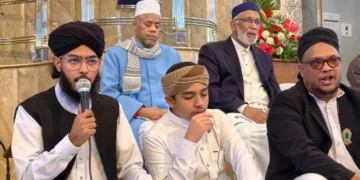
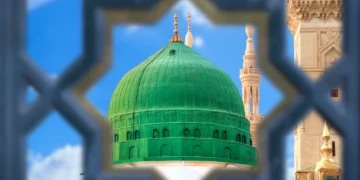




Grassy Park Mosque welcomed hundreds for Moulood-un-Nabi, bringing together scholars, students and worshippers for Quranic recitation, devotional praise, reflection and the reverent viewing of historic prophetic relics in Cape Town.
By SAYED RIDHWAAN MOHAMED
While millions across the globe mark the auspicious month of Rabi-ul-Awwal with spiritual fanfare, the spirit of devotion took on a uniquely vibrant and deeply personal resonance on the Cape Flats this week.
In the close-knit community of Grassy Park, hundreds of worshippers packed the Grassy Park Mosque on Monday evening, August 24, for the annual Moulood-un-Nabi ﷺ commemoration, joining a living tradition that remains woven into the very cultural and spiritual fabric of the Mother City.
Across the Cape Peninsula, numerous masajid have hosted Moulood programmes over recent days, echoing a longstanding heritage. Previous local research estimates that close to 70% of Cape Town’s masajid actively host Moulood-un-Nabi ﷺ gatherings each year, a testament to the enduring love for the Prophet Muhammad ﷺ that has anchored Cape Muslim identity for centuries.
Opening this event, Moulana Saleem Zalgaonkir Ashrafi, resident Imam and President of the Sunni Ulama Council, set an intimate, reflective tone for the gathered congregation and online viewers, describing the night as one of unreserved joy and gratitude.
“We can never thank Allah Almighty enough for this greatest of blessings upon us,” Moulana Zalgaonkir reminded the packed Masjid. “Allah has supported and assisted the believers through the Messenger of Allah ﷺ. Had it not been for his blessed birth, humanity would have had no true cause for celebration. Tonight is a night to express our happiness, awaken our hearts, and rejuvenate our lives in the love of Allah and His Beloved.”
The spiritual atmosphere was elevated with soulful Quranic recitations and remembrance (Awrad) led by Hafiz Yasin Daansay and Hafiz Ali Daansay, accompanied by heartfelt supplications for relief and dignity for oppressed communities abroad, particularly in Palestine, Gaza, and Sudan.
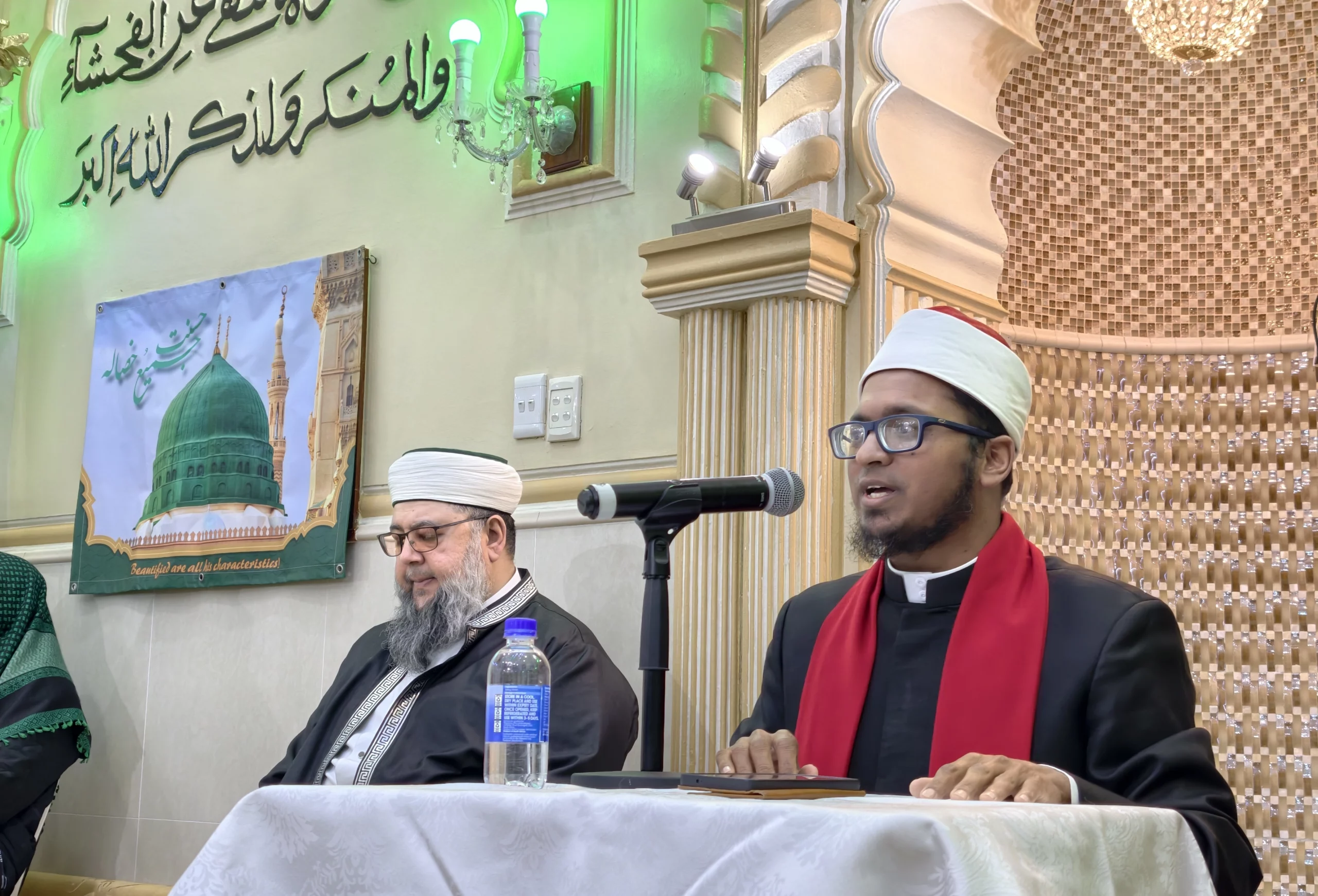
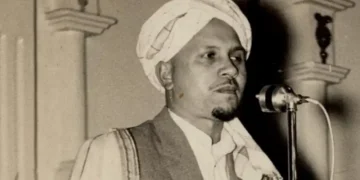
The keynote discourse of the evening was delivered by respected South African scholar Mufti Sayed Haroon Al-Azhari, President of the Cape Town Ulama Board, who presented a principled theological defence of Mawlid gatherings while cautioning against divisive online polemics.
You may also want to read


Mufti Haroon grounded the practice directly in the Quranic imperative to acknowledge divine favours (“Wa amma bi ni’mati Rabbika fahaddith”).
“We are here tonight to express gratitude to Allah Almighty for blessing us with Rasulullah ﷺ,” Mufti Haroon stated. “Every element of this gathering—reciting the Holy Quran, delivering beneficial reminders, sending salutations (salawat), offering supplication (dua), and feeding the people — is intrinsically rooted in the Shariah and the prophetic tradition.”
Addressing contemporary contentions around religious innovation (bid’ah), Mufti Haroon urged the community to appreciate the nuance of classical jurisprudence (fiqh):
• Juridical precedent over social media: He noted that rulings on communal practices historically belonged to qualified jurists (fuqaha) who assessed public benefit (maslahah), rather than casual internet debates.
• Consistency in application: He highlighted common inconsistencies where modern institutional forms — from structured madrasa graduations to digital Quran apps — are embraced without objection, yet classical gatherings of praise face undue scrutiny.
• The living Sunnah of reverence: Citing authentic traditions, he referenced how the Companions (Sahabah) preserved and sought blessings (tabarruk) from the Prophet’s ﷺ physical traces, demonstrating that visible love and veneration form the heartbeat of traditional orthodoxy.
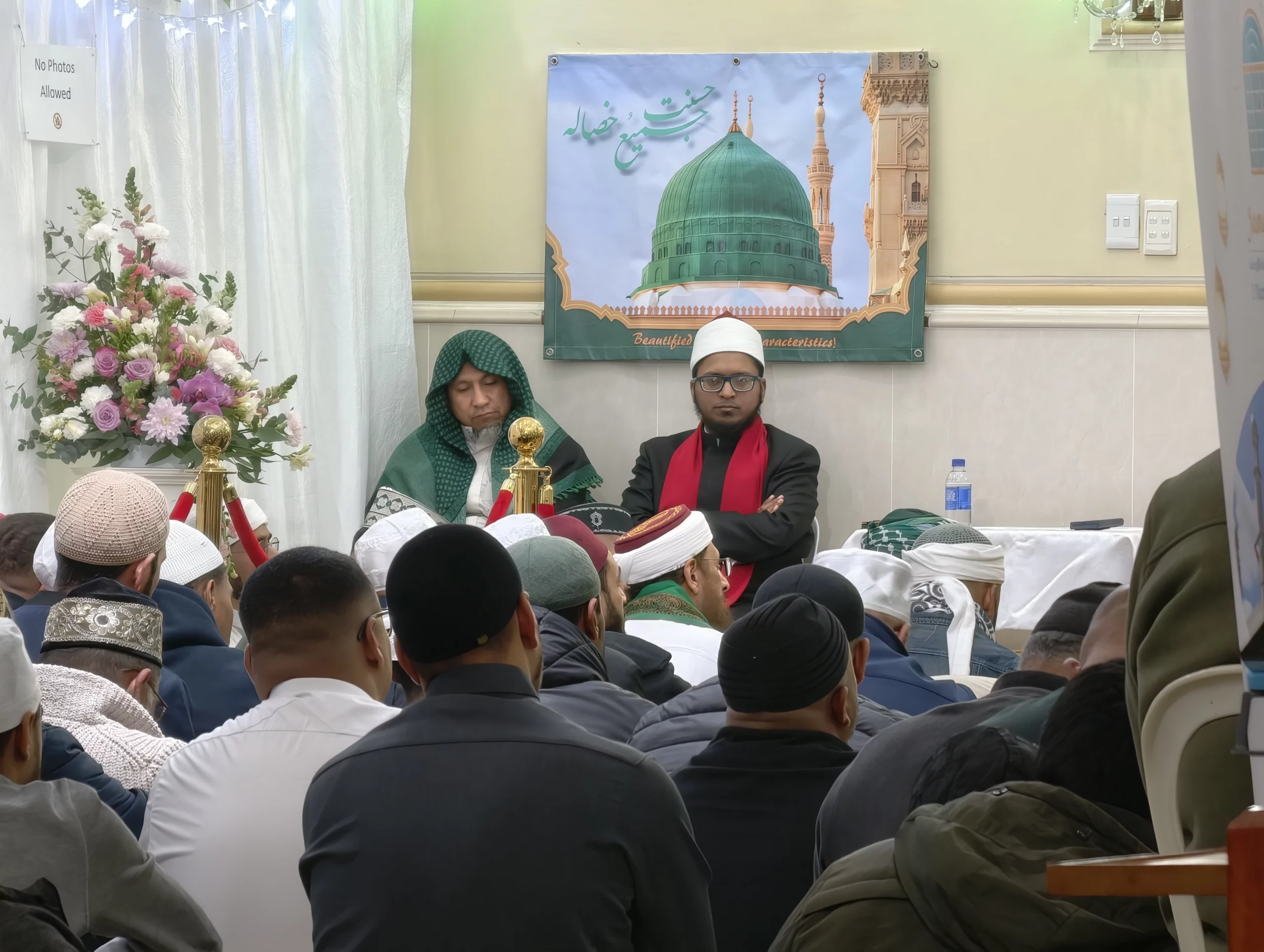
The evening placed special emphasis on the younger generation, featuring articulate contributions from students of Madrasa Islamia Grassy Park.
The gathering culminated in the sacred Ziyarah (reverent viewing) of historic prophetic relics (Athar/Tabarrukat) preserved and displayed within the mosque under strict decorum. Congregants formed orderly queues to view strands of the blessed prophetic hair (Moo-e Mubarak), soil associated with Medina, and preserved historic textiles, while reciters sustained continuous salutations late into the night.
The full event can be viewed here: https://www.youtube.com/watch?v=-48InYRPbFQ
Sayed Ridhwaan Mohamed is a South African community journalist, researcher and Honours graduate in Islamic Studies. A steadfast advocate for humanitarian rights and global justice, he lends his expertise to numerous committees specialising in interfaith advocacy and the advocacy of human rights in Palestine and beyond. He currently serves on the executive committee of the Cape Town Ulama Board, is an Executive Member of the Sunni Ulama Council (Cape), and co-founder of the Ahlus Sunnah Media