















Academics and teachers at the University of the Western Cape (UWC) debate South Africa’s proposed African-centred history curriculum, examining archaeology, teacher training, textbooks, unequal school resources and whether curriculum reform can succeed without system change.
By ANWAR OMAR
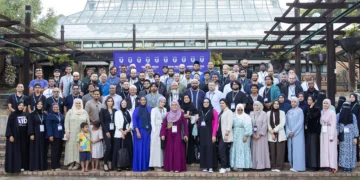
On Tuesday, October 20, 2026, academics and teachers met at the University of Western Cape (UWC) to weigh up South Africa’s proposed new history curriculum.
When the Department of Basic Education (DBE) published a draft history curriculum for Grades 4 to 12 in March, it set off one of the country’s most heated education debates in years. The draft puts Africa at the centre of what learners study. The event at UWC unpacked what the changes could mean for classrooms, and for the universities that train history teachers.
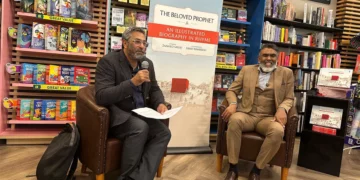
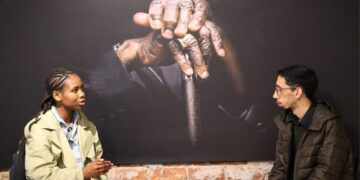
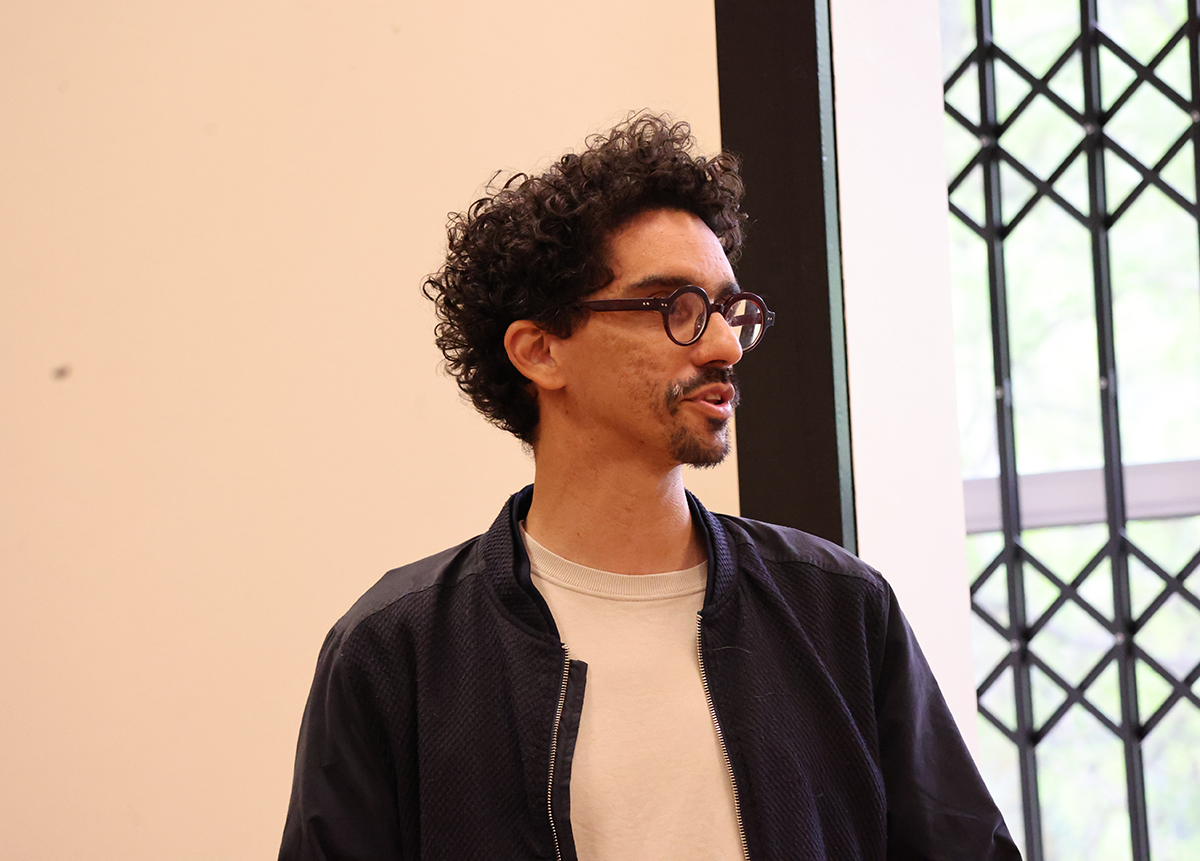
The roundtable, “Teaching the Past”, was hosted by UWC’s Contemporary Humanities Seminar at the Arts Space on the Bellville campus. It was moderated by historians Aidan Erasmus and Koni Benson.
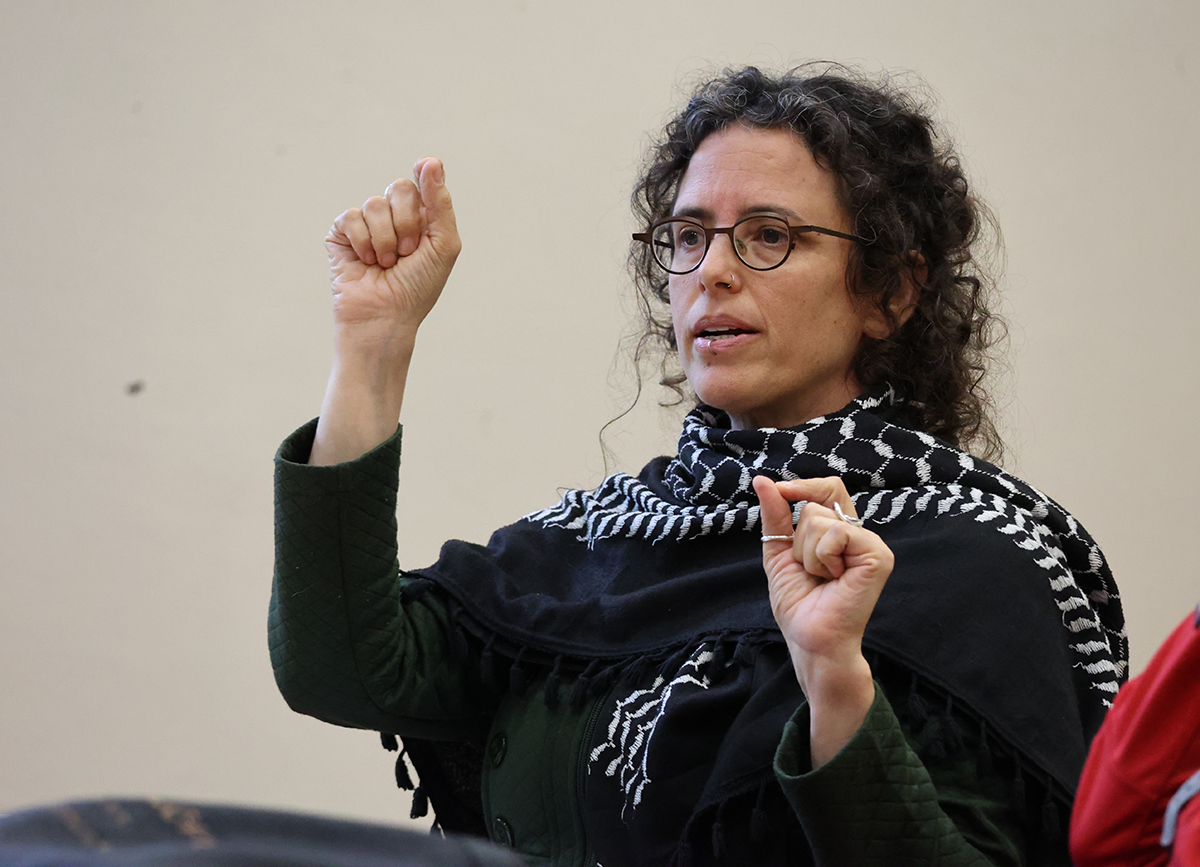
Opening the discussion, Benson pointed to a gap in how history teachers are prepared. At UWC, prospective teachers take their history courses in the Department of History before completing a one-year PGCE. At UCT, history education sits within the School of Education. Either way, she admitted, university historians rarely look at the school curriculum at all. That disconnect between the academics who teach history and the classrooms their graduates will enter, was a central theme for the rest of the afternoon.
Changing the history curriculum
Professor Kate Angier, who convenes the PGCE programme at UCT and sits on the task team, described herself as “implicated, not a neutral commentator.” Her argument was that adding African topics to the existing curriculum would not be sufficient. Over four decades of revision, she said, school history has kept a colonial ordering of knowledge, in which Africa barely exists until it is discovered, scrambled for or controlled.
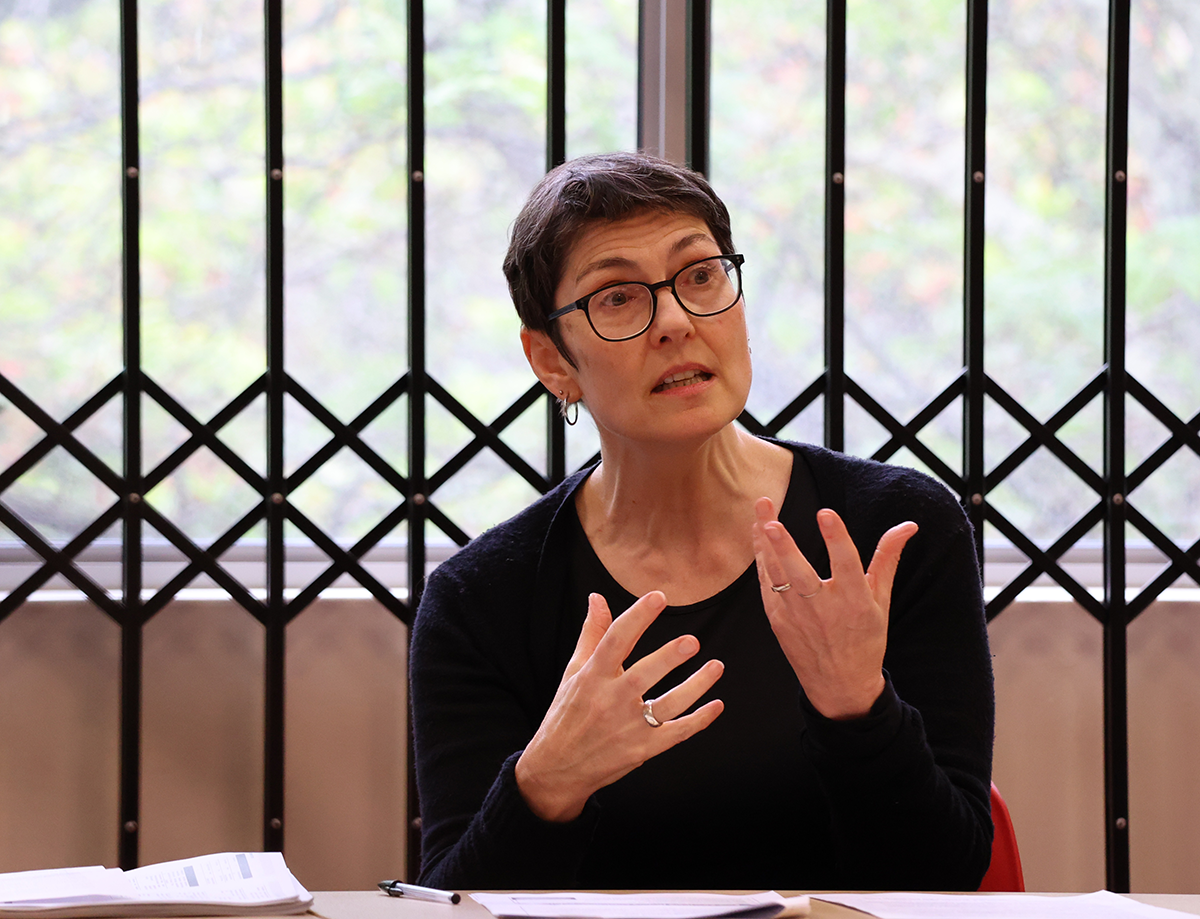
The CAPS curriculum is “a manuscript that’s been scraped and written over many times, but the trace of that older curriculum remains underneath,” she said.
The task, in her view, is to start afresh. “We don’t need another version of CAPS. What we need is to wipe the slate clean and start again on a new canvas. Instead of just adding African voices to a Eurocentric story, we actually need to change the vantage point.”
Archaeology in the landscape
For Professor Amanda Esterhuysen of UCT, archaeology is what makes an African-centred history possible. Written records alone cannot recover most of Africa’s past, she argued. Relying on them produces a story that moves “from the Cape up” and leaves much of the country without a history.
“If you’re sitting in Limpopo, in the current curriculum, you really don’t have a history,” she said. What is missing is not evidence but recognition. “In the rural space, they have that evidence. The archaeology is there. What is not there is that a national history curriculum gives it legitimacy.”
You may also want to read






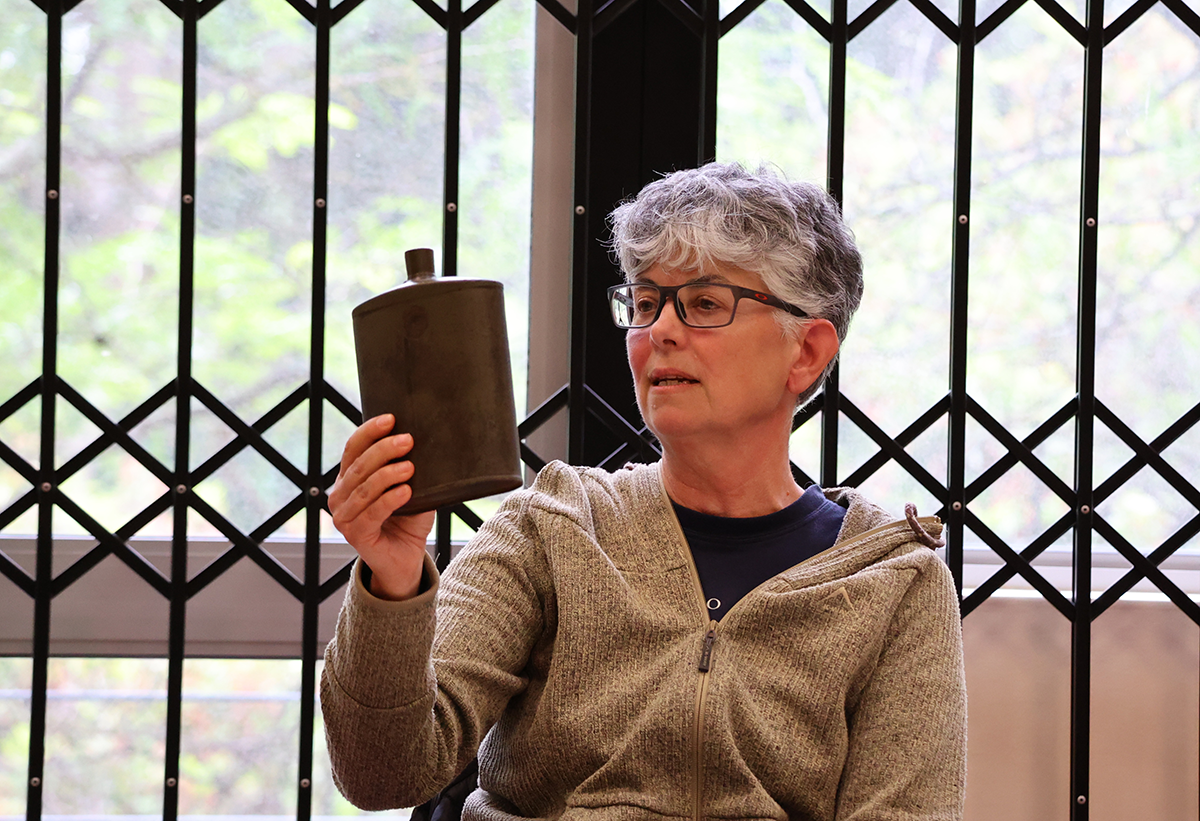
Asked whether teachers are equipped to teach archaeology, she conceded that discursive classrooms are hard with 50 or 60 learners, but not impossible.
The teacher’s voice
Professor Rouaan Maarman, Deputy Dean in UWC’s Faculty of Education, insisted that no curriculum can be judged apart from the conditions it lands in. Those conditions include hungry children, preoccupied teachers and bureaucracies that stifle creativity in the 80% of schools that are poor. Teachers, he said, teach to the test because they have to, not because they want to.
His deeper concern was that teachers have lost their voice. “In the apartheid years, the teacher’s voice was very strong in South Africa. Whether it was a marginalised voice, an oppressed voice, it was a strong voice nonetheless. In the democracy, the teacher’s voice is silent.”
That led to the liveliest exchange of the afternoon. A teacher with 16 years’ experience argued that new teachers lack a grasp of pre-colonial history, and that without a textbook weaving the evidence into a coherent story, their training falls flat. Maarman disagreed sharply.
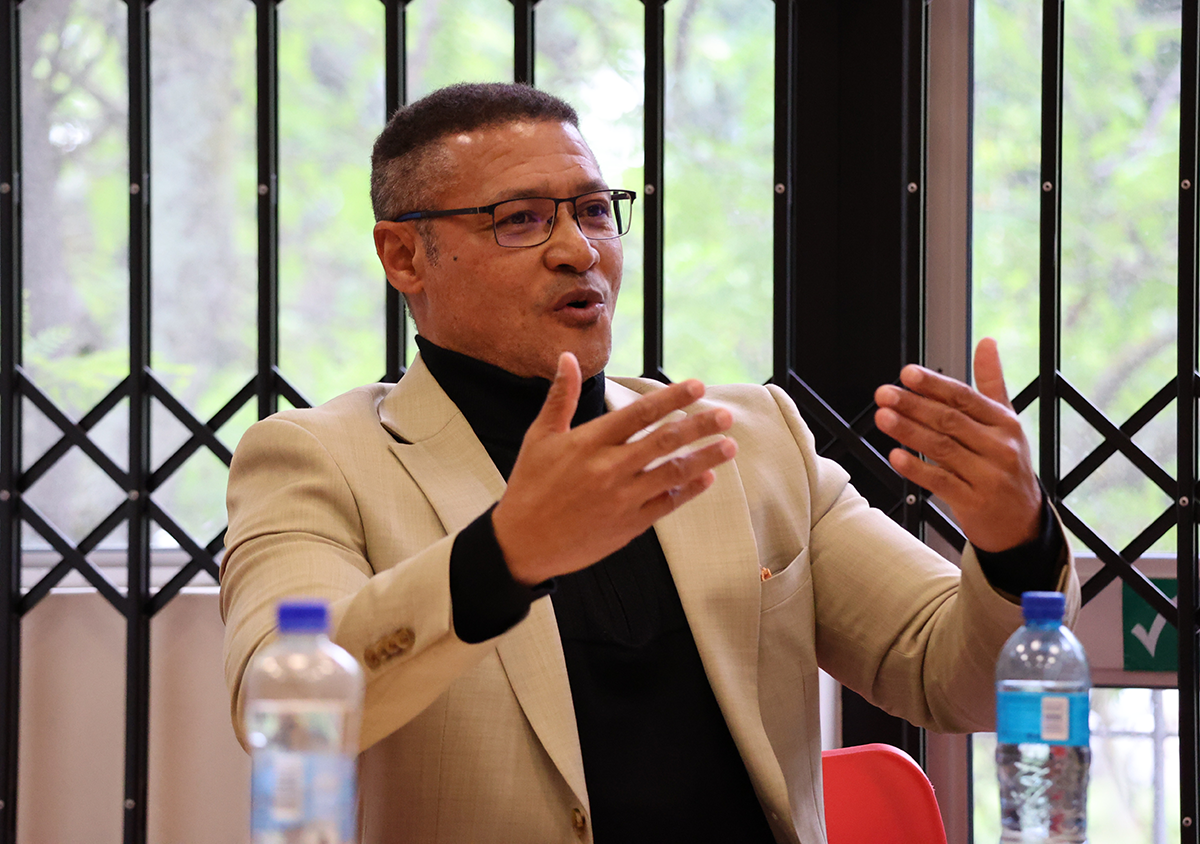
“Making teachers dependent on textbooks is a colonial enterprise,” he said. “A textbook should be a good source. Yes, we need it. Children need it. But as a teacher, my training and my professional agility is supposed to transcend my dependence on a textbook.”
Two systems under one umbrella
Dr Alvin Riffel, who trains history teachers at UWC, warned that the new curriculum will land in what he called two systems running under one umbrella.
Township schools, former Model C schools and elite private schools have vastly different resources. Of a top private school, he said: “That’s the schools that will flourish with the new curriculum.”
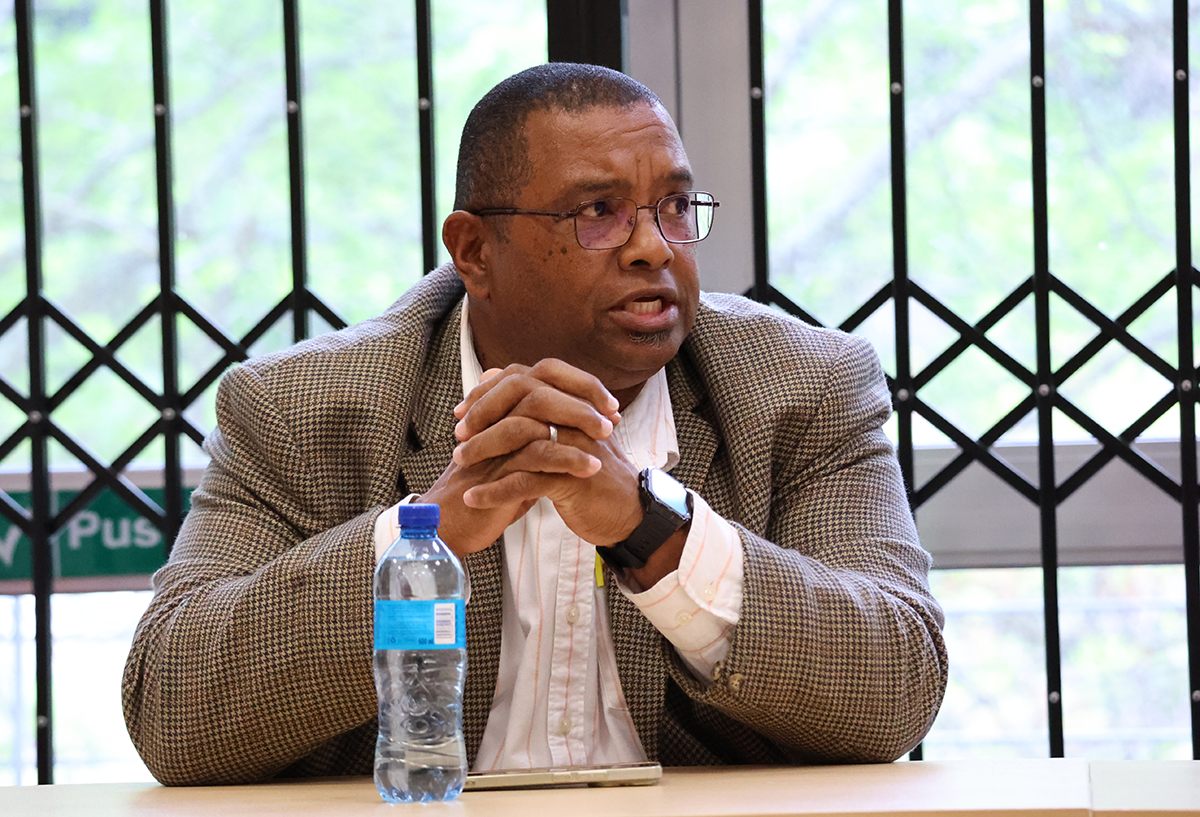
He described a school in Genadendal less than a mile from the museum with rich archaeological artefacts, where teachers were not allowed to take learners there. His answer is for museums, universities, schools and communities to work together rather than in silos.
The view from the classroom
Kirstin Kukard, a history teacher and executive member of the South African Society for History Teaching, reported that teachers consulted by the society were broadly excited by the draft’s possibilities. Their frustration was with how it would work in practice.
Some concerns were about content. She highlighted many gaps in the new curriculum and pointed out that what happens in classrooms is shaped by textbooks and exams rather than curriculum documents.
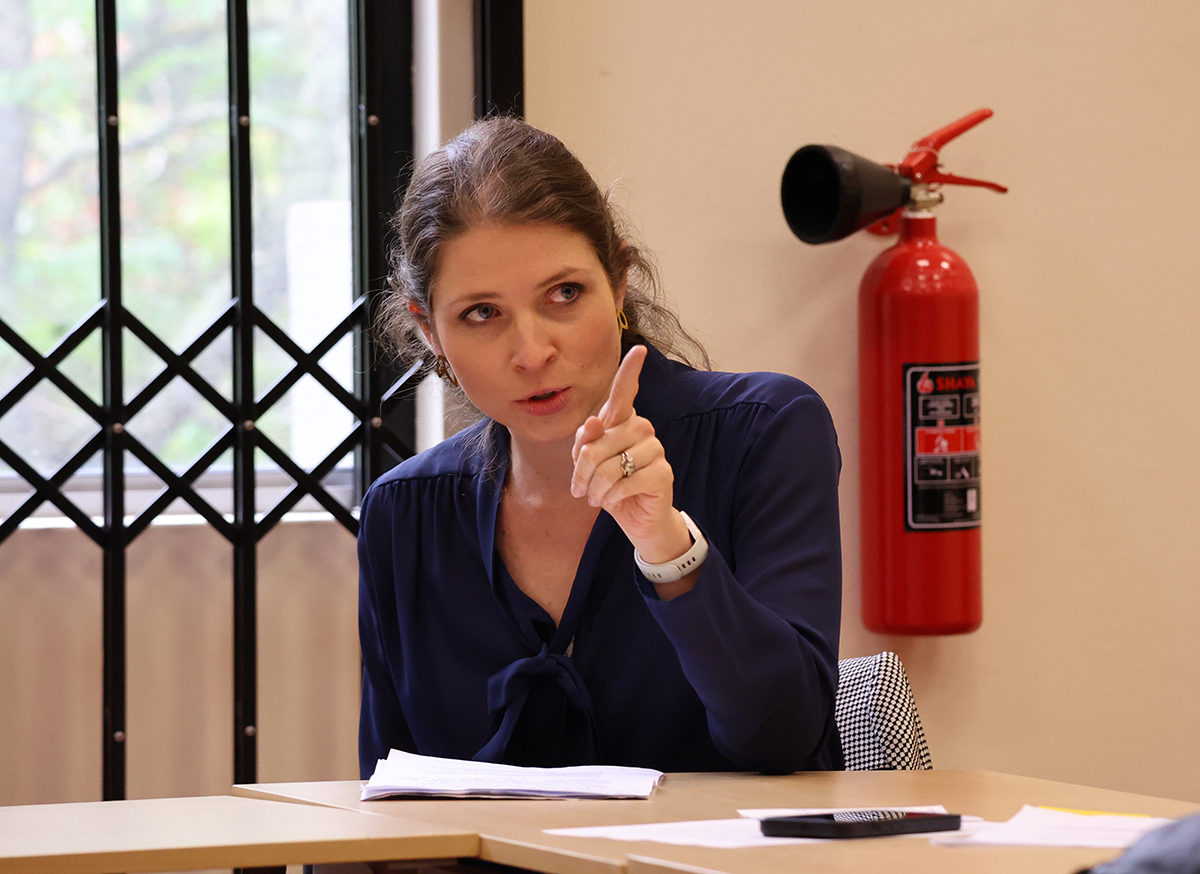
“If the matric exams stay as they are at the moment, the reality is that the teaching in the classroom is going to stay as it is, and the stuff that you teach about will just shift,” she said. She added that many people teaching history are not trained history teachers at all.
Changing the system, not just the syllabus
Summing up the discussion, Ciraj Rassool made two proposals. The first was to abandon what he called the “colonial mentality” of translating a curriculum into a single textbook. In its place he suggested a growing resource box, physical or virtual, that teachers add to and draw on creatively. The second was to tackle school conditions and bureaucracy alongside curriculum reform, rather than treating a new document as the solution.
The panel endorsed his summary. It offered a middle path in the textbook debate: support for teachers without dependence on a single book.
Many moving parts
What emerged was the sheer complexity of a curriculum change:
- The historians want to change not only what is taught but the vantage point from which it is seen;
- The archaeologist wants landscapes and objects recognised as legitimate history;
- The teacher educators worry about the conditions in schools, teacher confidence and voice, and a deeply unequal system;
- The teacher reminds everyone that textbooks, exams, budgets and timetables decide what actually happens in a classroom;
Rassool recommended that the curriculum and the system must change together. Each perspective is persuasive on its own terms, and none can succeed without the others.
The complexity is compounded by what is expected of the subject itself. Reviewing ministerial statements on history, Angier listed the demands placed on it. “She called on history to make learners patriotic, to make them critical, to make them decolonised, to make them proud, to heal wounds, to move South Africa forward. These are not necessarily compatible demands, and they speak to an incredibly unrealistic expectation placed on history teachers to do the heavy lifting of nation-building and social cohesion.”
As the draft moves towards a final version, the roundtable made one thing clear. A new curriculum is not the end of the work but only the start of it, and its fate will not be decided in Pretoria but in classrooms, lecture halls and museums.
Photos & videos: ANWAR OMAR