














![The market-builder who restrained the market [Part 2]](https://muslimviews.co.za/wp-content/uploads/2026/08/PHOTO-2026-08-25-17-16-32-360x180.jpg)
![The merchant preceding the Prophetic mission [Part 1]](https://muslimviews.co.za/wp-content/uploads/2026/08/01-360x180.jpg)







More than 40 years after Ebrahim Carelse was shot by Apartheid police in Salt River, his story endures through memories of his mass janaazah, the violence surrounding it and a grave at Mowbray Muslim Cemetery that can no longer be located.
By ANWAR OMAR
On July 25, 1985, President PW Botha declared a state of emergency in 36 of the country’s 260 magisterial districts in response to resistance led by the United Democratic Front (UDF), a broad alliance of anti-Apartheid organisations. Within the first six months, 575 people were killed in the political violence, more than half by the police. Ebrahim Carelse was one of many killed by the Apartheid police, and his story ends troublingly with a grave that can no longer be found.
A case of mistaken identity
On Thursday, September 5, 1985, Ebrahim Carelse, a 31-year-old father of three, was shot in the back of his head by police in a case of mistaken identity. Carelse was, by all accounts, an ordinary man with no involvement in political activity who had simply left his home in Burns Road, Salt River, to greet his neighbours who were leaving for pilgrimage to Mecca.
Ebrahim’s then five-year-old son, Siraj Carelse, later recalled looking out of his bedroom window and seeing his father fleeing across the road into a neighbour’s house.
“Look, look,” he shouted to his mother, “the policeman is chasing Dad!”
Moments later, he heard a loud bang. His father had been shot in the back of the head, though Siraj could not have known at that moment that his father would never play with him again. Ebrahim would die from head injuries five days later in hospital.
What Siraj did not see was what unfolded in the passage of the house across the road, where a neighbour found the limp figure of one of her family’s closest friends lying on the cold cement between the kitchen and the garden wall, blood pouring from his shattered skull.
“Ebrahim, Ebrahim!” she cried, but there was only a blank stare in his eyes. He was still, barely, alive.
His wife, Jawaya Carelse, then 29, recounted that the police refused to let her move her husband for more than an hour. “They wouldn’t let us take him to hospital and they just left him lying in the neighbour’s backyard, bleeding.”
She recalled that the officer who shot him was simply released, a free man.
Ebrahim was taken to Groote Schuur Hospital in a critical condition, with reportedly seven fractures to his skull from the close-range shooting. Whilst he lay in a deep coma, police stationed a guard at his bedside as part of the distorted narrative at the time, which claimed that he had been hurling a petrol bomb at police when he was shot.
Ebrahim’s funeral bound for Mowbray Cemetery
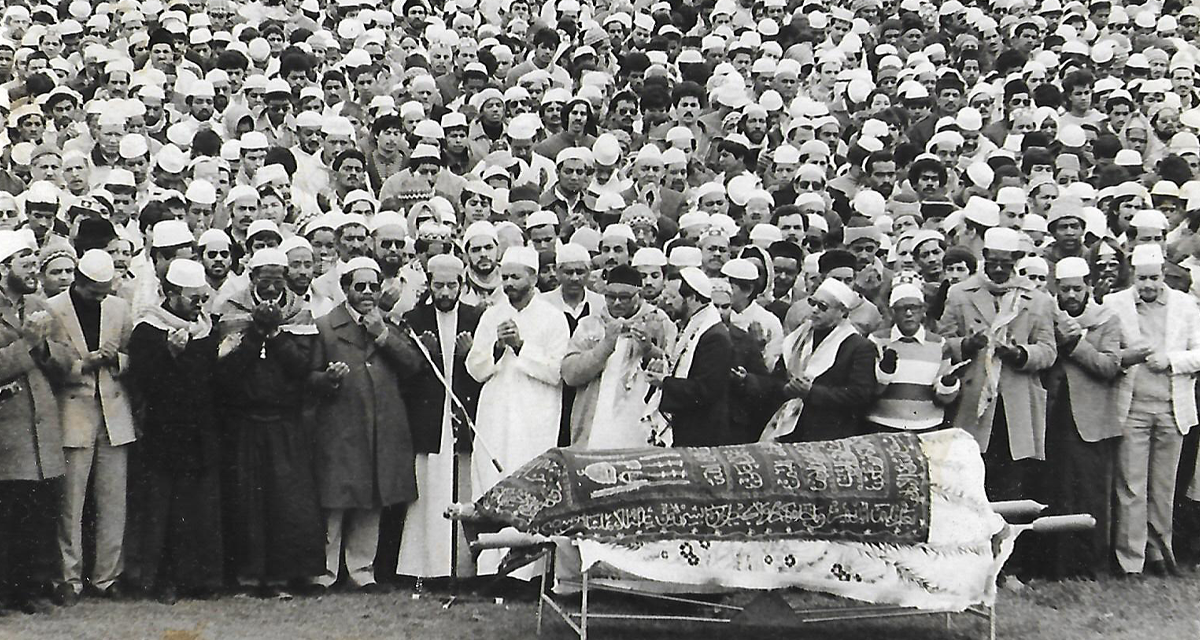
Ebrahim Carelse died on September 10, 1985, from the brain damage inflicted five days earlier. The following day, a mass funeral (janaazah) drew more than 10 000 mourners, defying the strict prohibitions on public gatherings imposed under the state of emergency.
The procession’s destination, about a kilometre away, was the historic Mowbray Muslim Cemetery, founded in 1886, immediately after the closure of the Tana Baru Cemetery in Bo-Kaap.
With the family’s permission, the funeral was organised by the Call of Islam, a United Democratic Front-affiliated organisation.
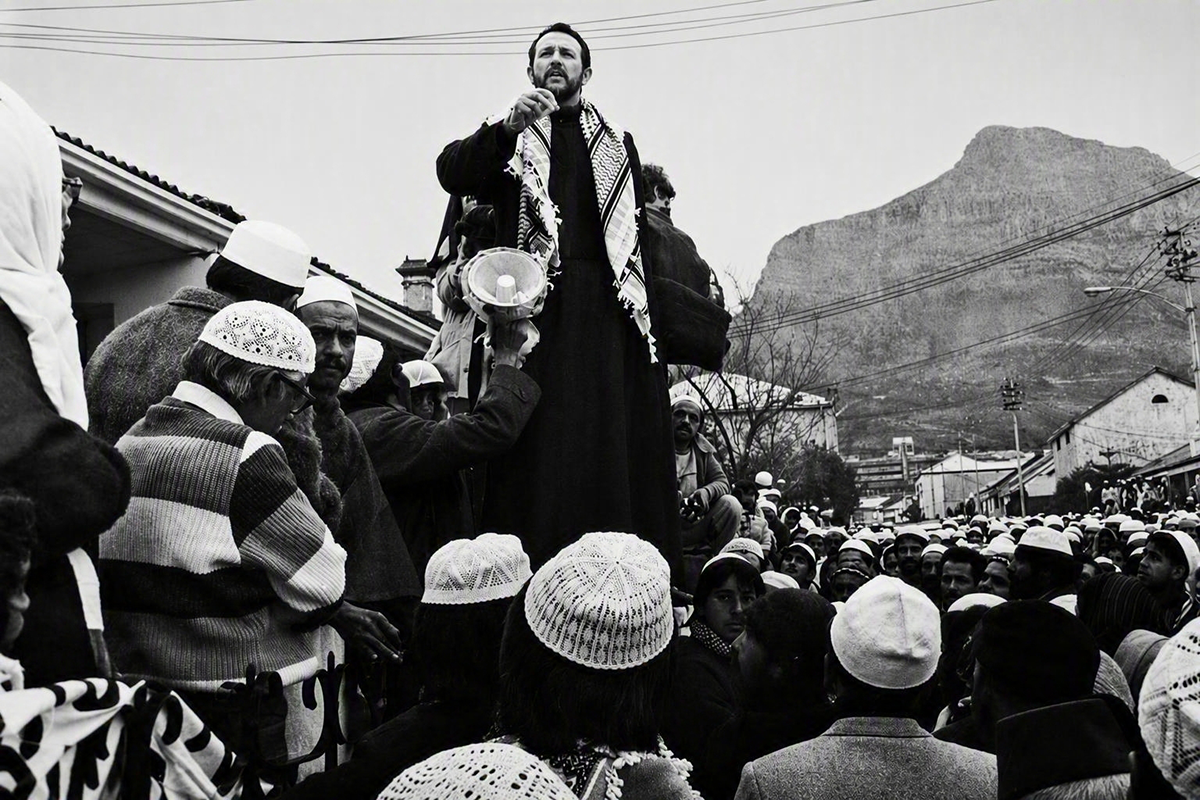
Before his bier left Burns Road, prominent Call of Islam figures, including Imam Hassan Solomons and Shaykh Gamiet Gabier, addressed the crowd from the stoep of the house where Carelse had been shot five days earlier.
Shaykh Gabier told the gathering that Islam abhorred Apartheid, that Muslims had tolerated the system far too long and that it was haram for Muslims to serve in the police or army.
The janaazah moved through the streets of Salt River towards the Shelley Road sports field, where the salaah-tul-janaazah, the prayer for the dead, was held because neither of the two local mosques could accommodate the number of mourners.
Leading the procession were Judge Siraj Desai, Moulana Farid Esack, Ebrahim Rasool and Shaykh Gamiet Gabier, and thousands of mourners walking towards a graveside that history would eventually erase.
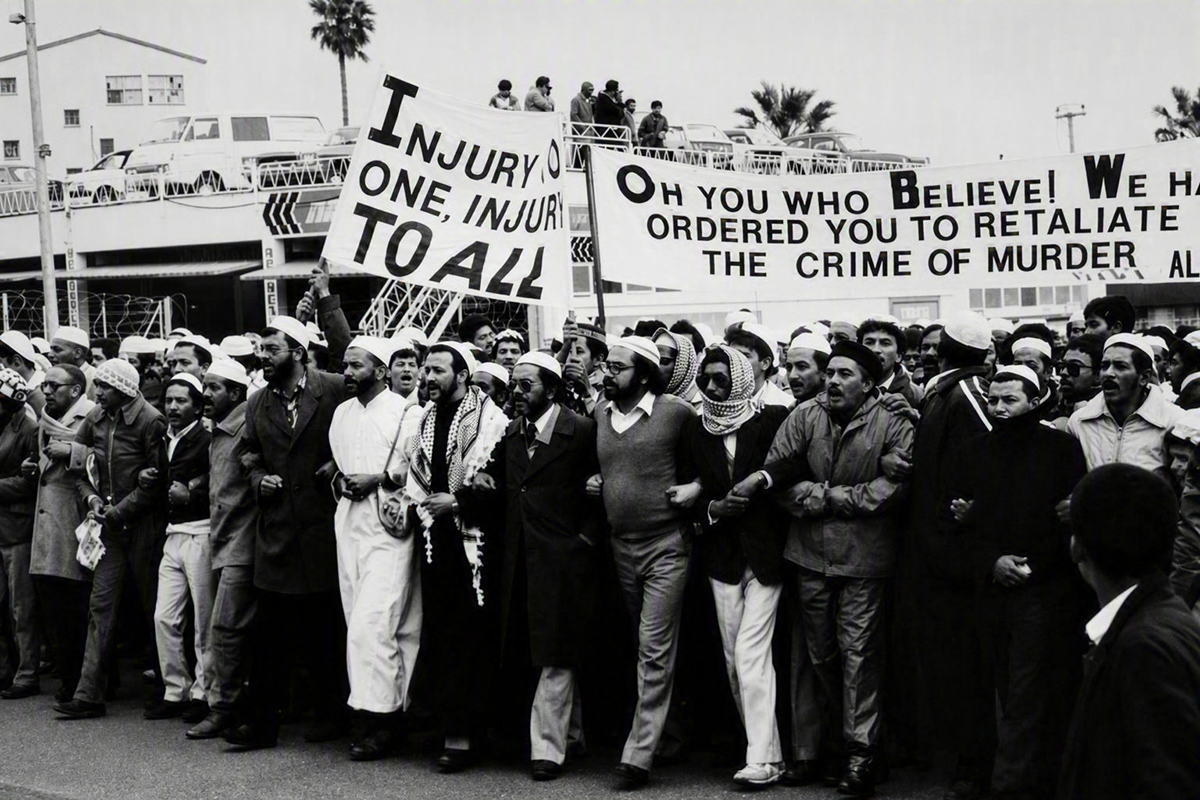
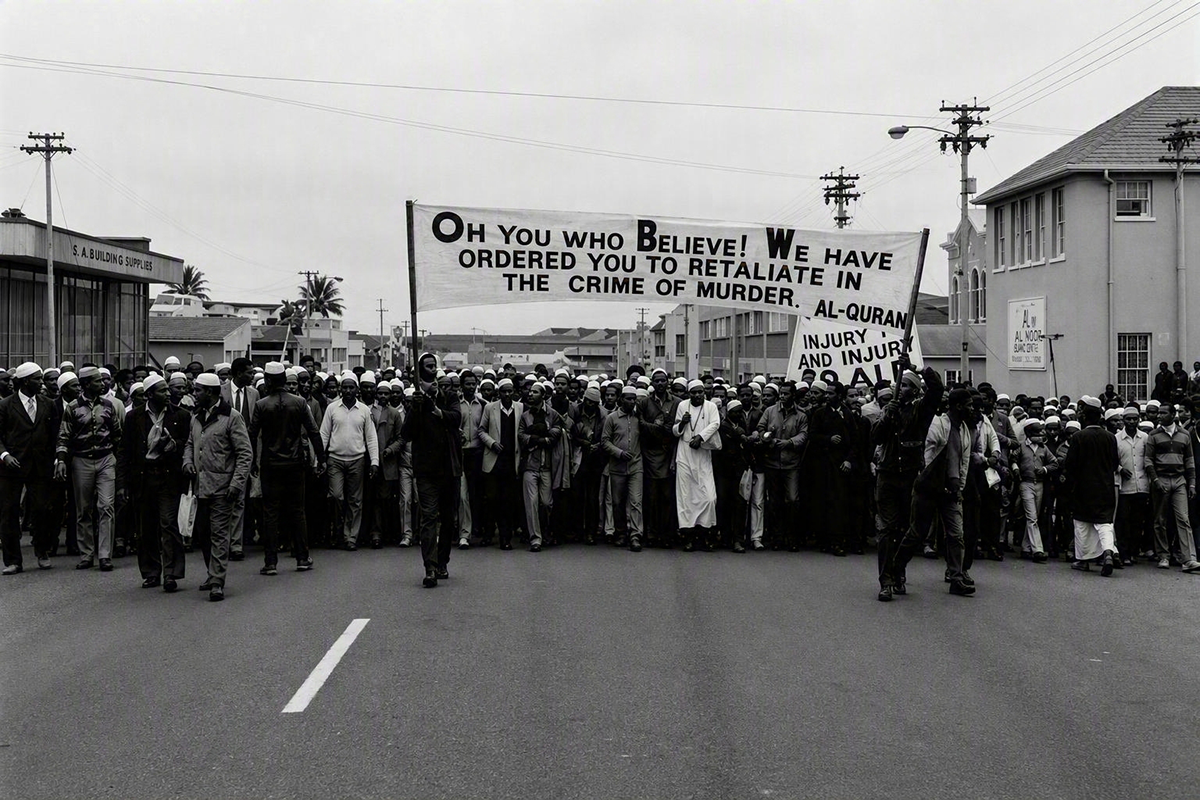
Mourners overwhelm Constable Farmer
As the procession made its way up from the Shelley Road field to Browning Street, within a few short blocks of the Mowbray Muslim Cemetery, mourners identified two plain-clothes policemen monitoring the funeral procession from the corner of Link and Browning Streets in Observatory.
According to media reports, Constable Conrad Leggett and his partner, Constable James Farmer, had taken up position around midday in an unmarked vehicle to observe the funeral. Around 1pm, Farmer stepped out for a better vantage point and stood there for about ten minutes while Leggett remained inside the vehicle, monitoring the crowd as it drew closer en route to the cemetery.
When the bier reached Browning Street, with mourners now almost within sight of the cemetery wall where Carelse was to be laid to rest, they confronted Farmer, warning him that his presence was provocative.
Panicking, he drew his firearm and fired into the crowd, wounding a mourner, Yusuf “Timmy” Lakay, in the stomach. The crowd overwhelmed Farmer, seized his firearm and turned on him.
“I took out my firearm, but I couldn’t use it. I could either shoot Farmer or an innocent person in the crowd,” Leggett said.
You may also want to read



Leggett fled on foot as his partner was engulfed. Pelted with stones, he scrambled back to the car and drove off as the crowd continued to beat Farmer, virtually on the doorstep of the cemetery.
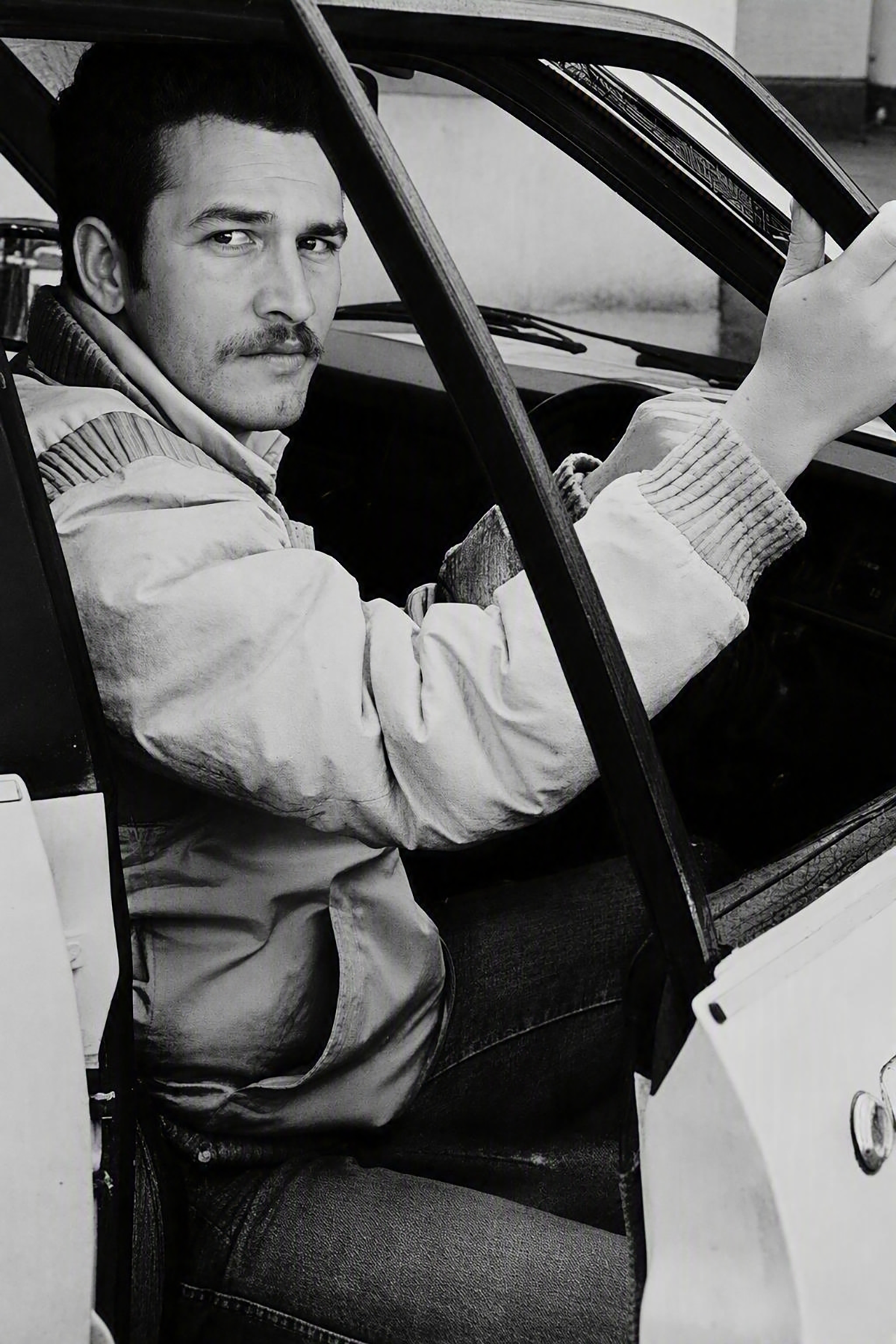
Lakay, 51, a respected Salt River figure and former national cricketer who played in the 1956 team captained by Basil D’Oliveira, was rushed to Groote Schuur’s intensive care unit and left paralysed for life by the incident.
Moulana Farid Esack threw himself over Farmer in an effort to shield him from the blows. Farmer clung to him, shouting, “I am the law,” but the crowd kept beating him even as they pushed Esack aside.
Esack collapsed as he emerged, with his kurta soaked in blood. Farmer died on the spot, close to the cemetery where Ebrahim’s bier was heading. Mourners continued to bury Ebrahim Carelse, so, in that single moment, the road leading to the cemetery absorbed two deaths in one afternoon.
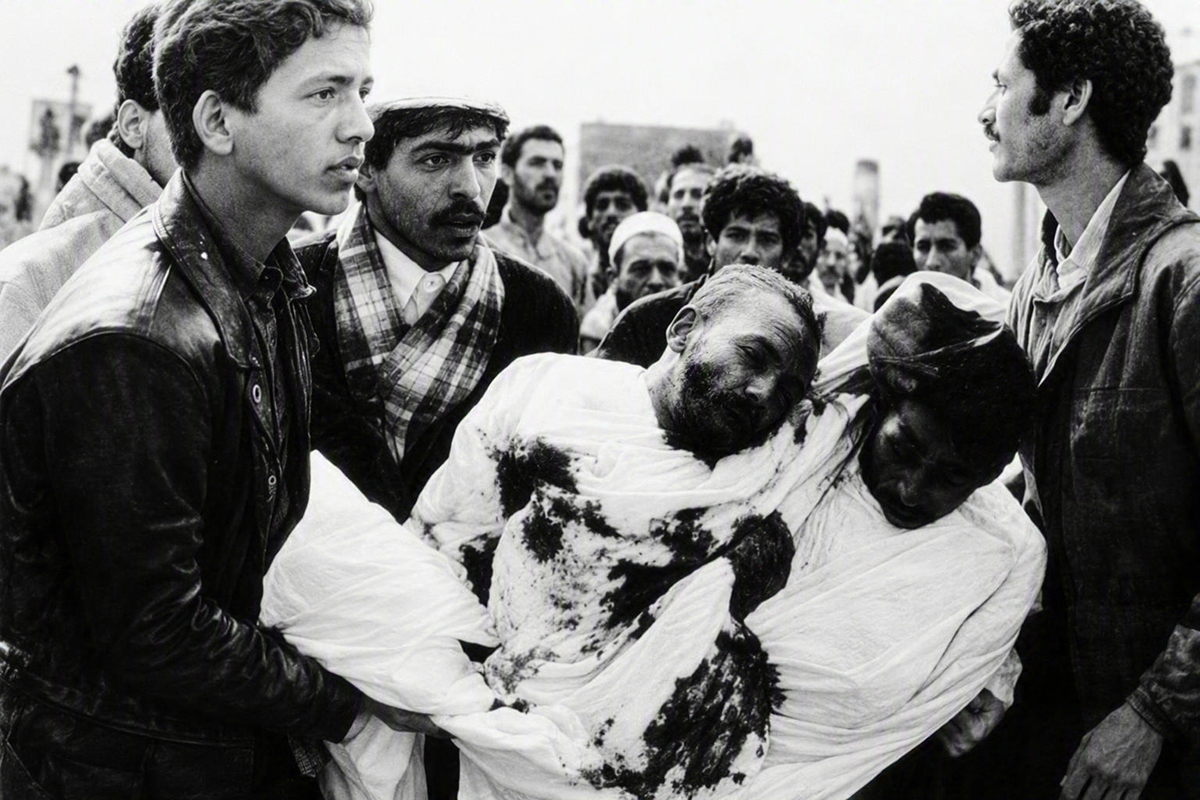
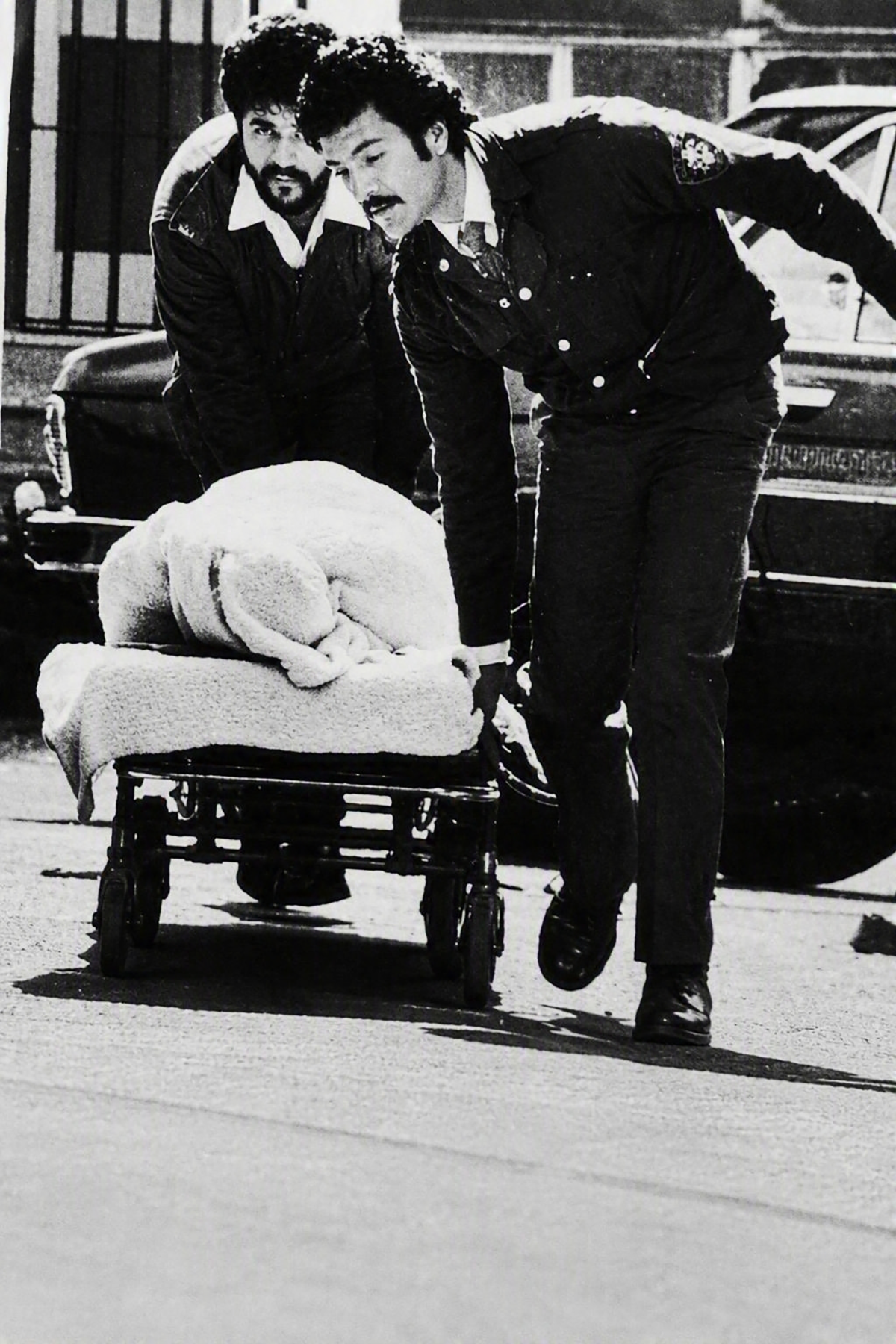
Constable Farmer was 23 years old, one of ten children from Port Nolloth, posted to Woodstock CID that January. His landlady remembered him as “too soft to be a cop”, someone who had told her he wanted to resign.
Afterwards, those who had spoken at the funeral, including Imam Solomons and Shaykh Gabier, fearing arrest, went into hiding and eventually into exile.
Imam Solomons led a month-long “Scarlet Pimpernel” existence before being smuggled out via Zimbabwe and Botswana to Saudi Arabia. He later served as an MP under Nelson Mandela, while Shaykh Gabier became South Africa’s ambassador to Saudi Arabia.
Carelse’s grave erased
On September 5, 2020, 35 years after the murder of Ebrahim Carelse, his death was commemorated at a prayer service at Mowbray Muslim Cemetery, where he was buried.
Journalist Sukaina Ishmail, reporting on the ceremony, noted that Carelse’s killing was the tipping point for many activists of the time, precipitating a spontaneous outpouring of anger, grief and solidarity that helped consolidate the anti-Apartheid movement in the Western Cape.
A month later, that tension culminated in the Trojan Horse Massacre in Thornton Road, Belgravia, where security forces shot dead three young demonstrators.
Shabodien Roomanay, founder of the Salt River Heritage Society, related that the brutality of the Apartheid regime had been laid bare for the world to see after Carelse’s murder.
Jawaya Carelse, present alongside her three children, recalled the day once more: “I was 29 years old when my husband told me he was going opposite the road in Burns Road, Salt River, to visit his friend who was leaving on Hajj. Soon after he left the house, we heard a gunshot. He was shot in the back of his head by a police officer.”
She said she did not know whether the policeman who killed her husband was still alive and confirmed he had been released a free man.
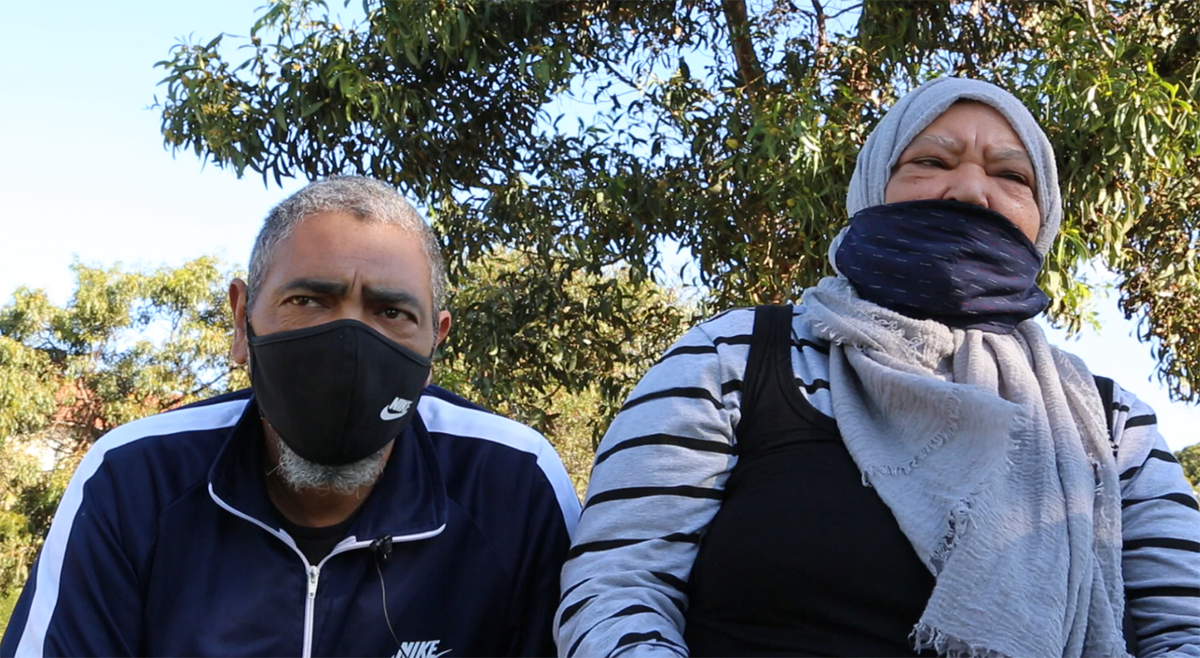
Imam Rashied Omar of the Claremont Main Road Mosque, who led prayers at the commemoration, said the ceremony was about a life taken unjustly and prayed for the unsung heroes and heroines of the Struggle.
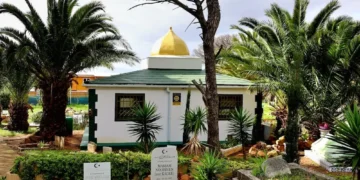
It was at that 35th-anniversary visit that the family discovered Ebrahim Carelse’s grave could no longer be located: no headstone, no marker and no plot that the cemetery’s own records could confidently identify.
More than 40 years after he was carried up Browning Street and buried within earshot of where Constable Farmer was killed, that absence has only deepened.
The cemetery holds his remains, but it no longer holds an identifiable burial space where his family can visit, grieve or point and say: “This is where our father is buried.”
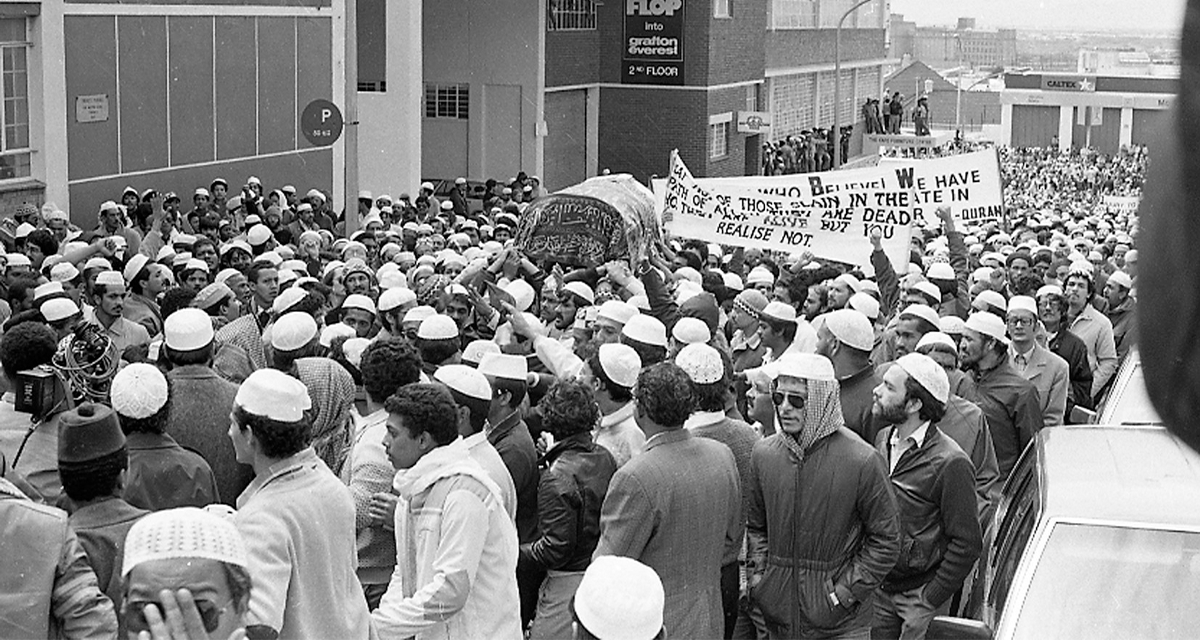
For a man whose killing briefly became the most public event witnessed in the history of Salt River, attended by more than 10 000 mourners, it is a quietly devastating irony that his own resting place has become the least visible thing about him.
In response, the Salt River Heritage Society has worked to install a memorial for Ebrahim Carelse on a wall in Salt River, to provide a permanent reminder in place of the grave the cemetery can no longer provide.
It will ensure that an ordinary bystander, caught in the machinery of a brutal system and then quietly erased, is not forgotten.