













From Sally Rooney to withdrawn books on Palestinian history, this article asks whether UK publishers and media are shaping which voices can be heard when Palestine, Gaza and politically uncomfortable stories enter the public sphere.
By MOHAMED KHARWA
Censorship doesn’t always need a government official reading every word.
South Africa’s history of state censorship under apartheid was well documented, not just for its obsessive enforcement, but also for its sometimes-farcical interpretations (like banning Black Beauty).
However, what happens when publishers use their editorial power to enforce positions to appease/serve political positions?
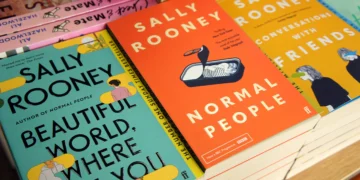
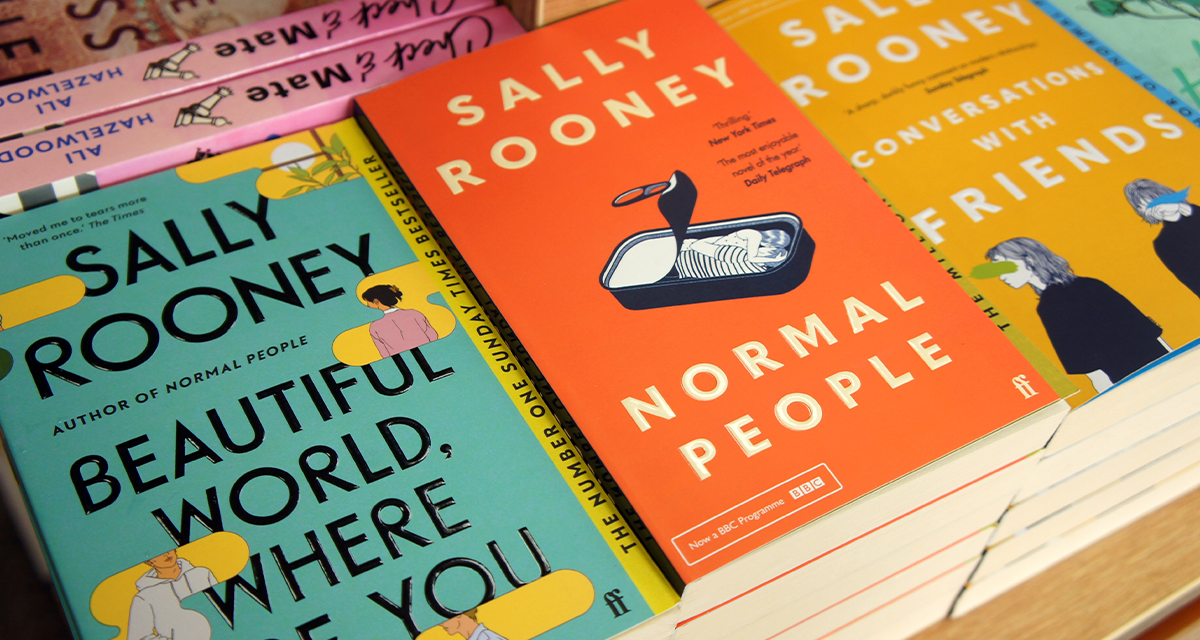
Sally Rooney is a bestselling Irish author who contributed up to 5% of Faber’s sales last year. Her books have no direct content about Palestine but won’t be sold there because she has pledged financial support for UK protest group Palestine Action, which was declared a “terrorist organisation” in 2025. Palestine Action is appealing the decision.
The articles at the end of this piece describe how publishers have, in very different ways, achieved similar outcomes in the UK, especially around Palestinian stories and authors who are calling out the genocide in Gaza. And these are just some of the “publicly visible” cases.
Since the rise of #BookTok, publishers have made social influencers a key part of their marketing strategies.
You may also want to read



Influencers have ready-made audiences, so a mention of a book or a “book club” selection can rocket a book into the bestsellers list. Among the celebrities whose book clubs draw huge audiences are Oprah Winfrey, Reese Witherspoon, Dua Lipa, Shonda Rhimes and England’s Queen Camilla. A recommendation there can just explode demand.
Influencers (some of questionable credentials) are quick to get publishing deals. But what happens when they tell stories that are “politically uncomfortable” for the business?
In defence of publishers, most publish more books that are not commercially viable than highly profitable ones, and this brings voices and ideas that would otherwise be unheard into the public discourse.
However, when do they, by choice or law, get used to censor or choose which voices can be heard?
Unlike George Orwell’s Fahrenheit 451, it may not need state-appointed “firefighters” who burn books, but media who decide who and what we read.
The articles below illustrate how covert censorship works, particularly when Palestine and the genocide in Gaza become the subject or, as in the case of Rooney, if the writer expresses support for the Palestinian cause.
“Palestine book by Alana Hadid and Jenan Matari pulled from Random House before release”
A book on Palestine for young readers was pulled at Penguin Random House just before its scheduled release, following editorial disputes between the publisher and the book’s Palestinian American authors over their account of Palestinian history.
The Guardian, October 15, 2026
“Authors Withdraw Children’s Book on Palestinian History from Random House over Editorial Dispute”
Palestinian American coauthors Jenan A. Matari and Alana Hadid have withdrawn their book Displacement and the Palestinian American Story, originally scheduled for September 29 publication, from Random House Children’s Books, citing clashes over editorial changes.
Publishers Weekly, October 20, 2026
“Sally Rooney says she can no longer sell books in UK due to Palestine Action support”
Sally Rooney has said she is being forced to withdraw her books from sale in the UK because of her support for the banned organisation Palestine Action.
The Irish novelist, whose books include Normal People and Conversations With Friends, said her public support for the Direct Action group meant she could no longer receive royalties from UK sales.
After Palestine Action was banned last year, Rooney said she would use proceeds from her sales to support Palestine Action. Supporting organisations banned under the Terrorism Act is an offence and she subsequently cancelled a trip to the UK to pick up an award, for fear of arrest.
The Guardian, October 14, 2026
Mohamed Kharwa is a bookseller and past president of the SA Booksellers Association. He writes in his personal capacity.