






























![The market-builder who restrained the market [Part 2]](https://muslimviews.co.za/wp-content/uploads/2026/08/PHOTO-2026-08-25-17-16-32-360x180.jpg)
![The merchant preceding the Prophetic mission [Part 1]](https://muslimviews.co.za/wp-content/uploads/2026/08/01-360x180.jpg)











Training for the 475km Hijra Cycle Tour turns repeated climbs and strength sessions into reflections on discipline, intention and tajdid, asking what our repeated practices are preparing us, our communities and future generations to become.

By ADNAAN ADAMS
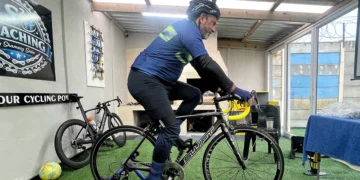
Six times up the long incline of Spaanschemat River Road. Three minutes of sustained effort. Recover. Turn around. Do it again. By the fourth effort, my legs begin to negotiate. By the fifth, the incline seems steeper. By the sixth, the challenge is as much mental as physical.
As a beginner cyclist preparing for the 475-kilometre Hijra Cycle Tour, organised by Masjid Love and Wheel to Heal, I have begun asking myself: what is this repetition actually building? The obvious answer is fitness. But I suspect something deeper is happening.
My preparation now involves repeated routines: sets of eight or ten during strength training, kilometres on the bicycle, climbing efforts repeated when the body would rather stop. What is difficult today can, through disciplined repetition, become possible tomorrow. This has changed how I think about discipline.
Discipline is more than repetition; it is the steady preparation that develops our capacity to meet what lies ahead.
When repetition loses its purpose
Repetition can form us, but it can also numb us. Something initially undertaken with purpose can slowly become routine; we continue because we have always continued. The action remains, but reflection begins to fade.
This makes me wonder whether the distinction between discipline and habit lies partly in our awareness of intention. Of course, ritual itself is not the problem; it gives rhythm to our lives, preserves memory and provides continuity, including in our spiritual practices. The danger arises when ritual becomes detached from intention, when we continue performing the movement without allowing the movement to continue to transform and build us. Put differently, discipline should not merely sustain repetition; it should keep open the possibility of transformation.
This is as relevant to the cyclist as it is to the believer.
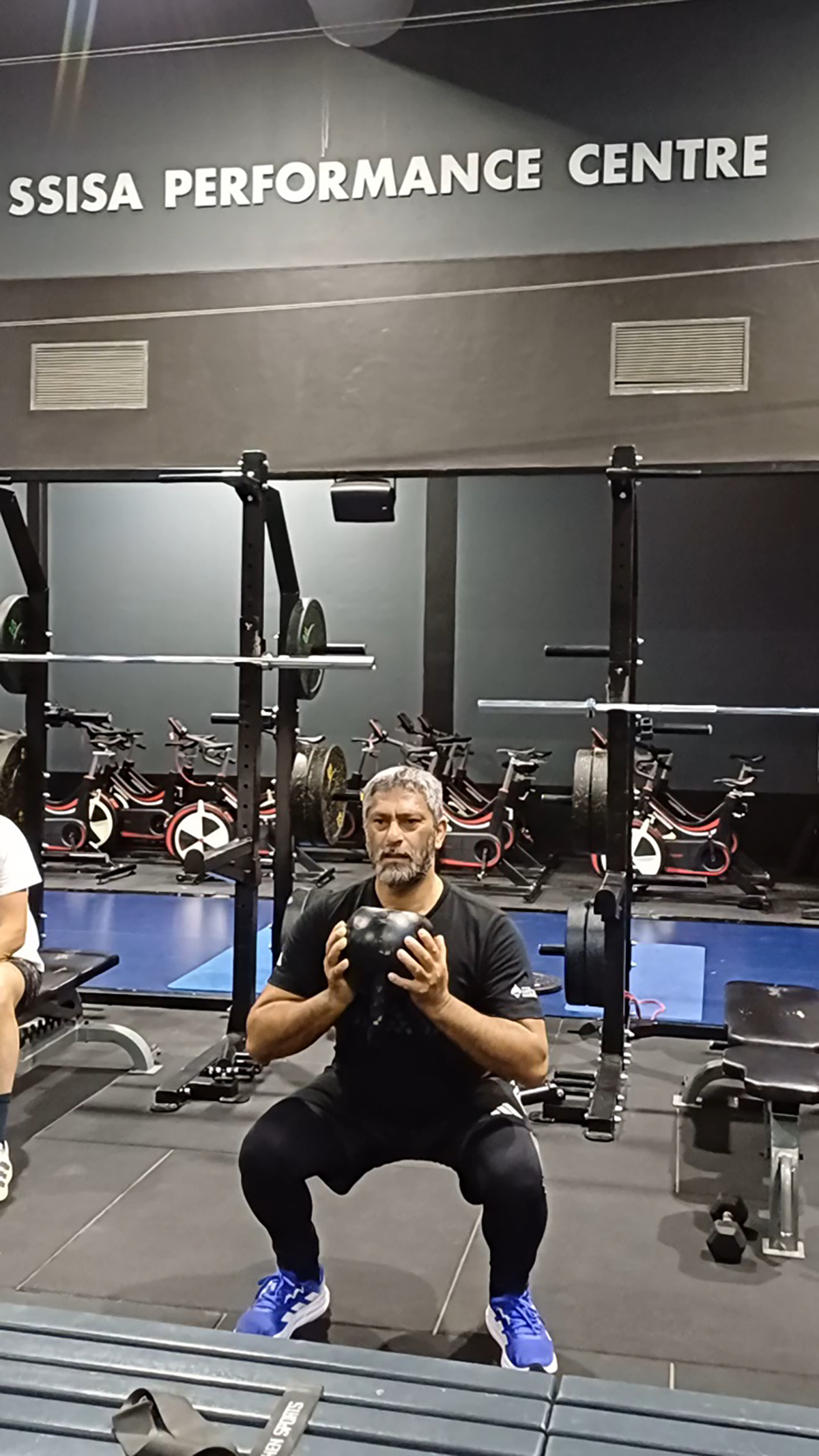
At the Sports Science Institute of South Africa (SSISA), I am learning that training begins with something deceptively simple: showing up. But showing up is not enough. Training requires concentration. Technique must be examined, weaknesses confronted, effort adjusted and recovery respected.
Should our intellectual, communal and spiritual lives require anything less?
Tajdīd: returning with renewed purpose
You may also want to read


This brings me to the Islamic concept of tajdīd – renewal. Renewal does not require us to discard what came before. Rather, it asks us to return to what matters with renewed intention, understanding and purpose. Perhaps discipline needs tajdīd too, not repetition for repetition’s sake, but the disciplined act of returning, reflecting and becoming.
And maybe renewal requires something else: wonder.
Prof Yusef Waghid’s philosophical work has repeatedly drawn my attention to the educational value of wonder: remaining open to questions, uncertainty and possibilities not yet realised.
Wonder seems to interrupt complacency. On the bicycle, it allows me to ask: what is this effort doing to me? What am I learning about my limitations? What might I still be capable of becoming?
This is where Waghid’s notion of potentiality becomes particularly meaningful to me. If we remain capable of becoming otherwise, then discipline is not simply about controlling the person we already are. It is about cultivating capacities that are not yet fully present. Every climb confronts me with who I am at that moment – my strength, limitations and doubts – while simultaneously pointing towards what might still become possible.
Discipline, then, is not merely restraint or self-control. It can be the cultivation of possibility.
From ourselves to our institutions
Here the bicycle returns me to the larger question behind this series. If individuals can become trapped in habitual repetition, so can communities and institutions. We can inherit ways of educating, worshipping, leading and organising and continue them simply because they are familiar. But preservation without reflection can lead to stagnation. Healthy communities must therefore have the courage to ask: why are we doing this? Is it still forming us? What needs strengthening? What needs renewing?
That is not a rejection of tradition. It is allowing tradition to remain living and relevant. Tajdīd asks each generation not merely to inherit but to renew, to carry enduring values meaningfully into changing circumstances.
What are we preparing to become?
Each repetition is preparing the body for a journey it cannot yet complete. But the lesson reaches beyond cycling. The body may remember the training. The mind and spirit must remember its purpose.
When repetition becomes familiar, it can easily become habit. Discipline requires us to remain conscious of why we continue. Tajdīd asks whether what we repeatedly do continues to renew and transform us. And wonder keeps open the possibility that we might become otherwise.
This returns me to the question with which I began this Hijra journey:
What are we prepared to build, within ourselves and within our communities, for those who come after us?
Building begins long before anything becomes visible. It begins in what we repeatedly choose to do, in our willingness to question why we do it and in the discipline to remain open to renewal.
Possibly that is what these repeated climbs are teaching me.
The question is not simply what we repeatedly do. It is what our repetitions are preparing us to become.
References
Waghid, Y. (2022). Education, Crisis and Philosophy: Ubuntu Within Higher Education. Routledge.
Waghid, Y. (2024). Philosophical, Educational, and Moral Openings in Doctoral Pursuits and Supervision: Promoting the Values of Wonder, Wander, and Whisper in African Education. Routledge.