

















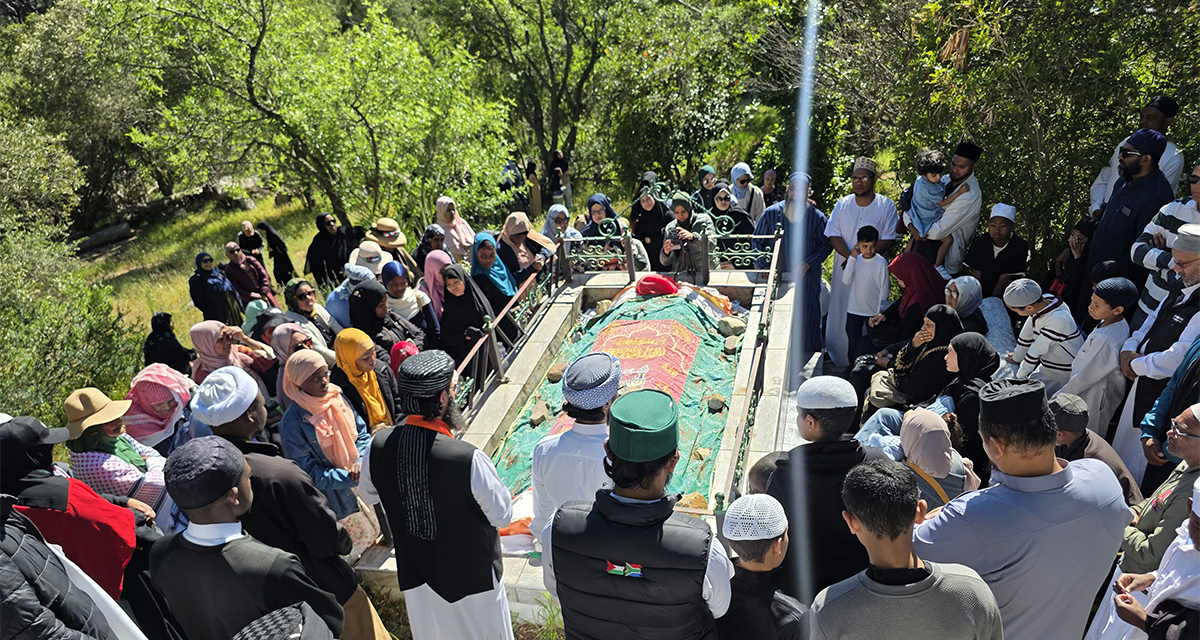

The CTIEC Cape Kramat Tour brings families, scholars and students together beneath Table Mountain to reconnect with South Africa’s early Muslim forebears, affirming Tawhid, traditional scholarship, ziyarah and communal remembrance.
By SAYED RIDHWAAN MOHAMED
Beyond the dramatic geography of the Table Mountain range lies an intellectual and metaphysical geography that has defined Southern African Islam for over three centuries.
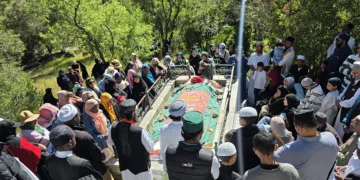
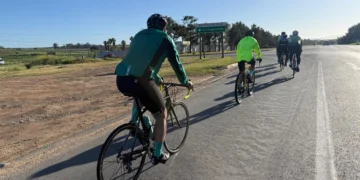
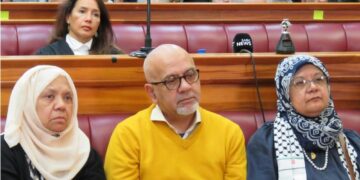
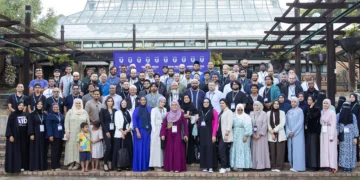
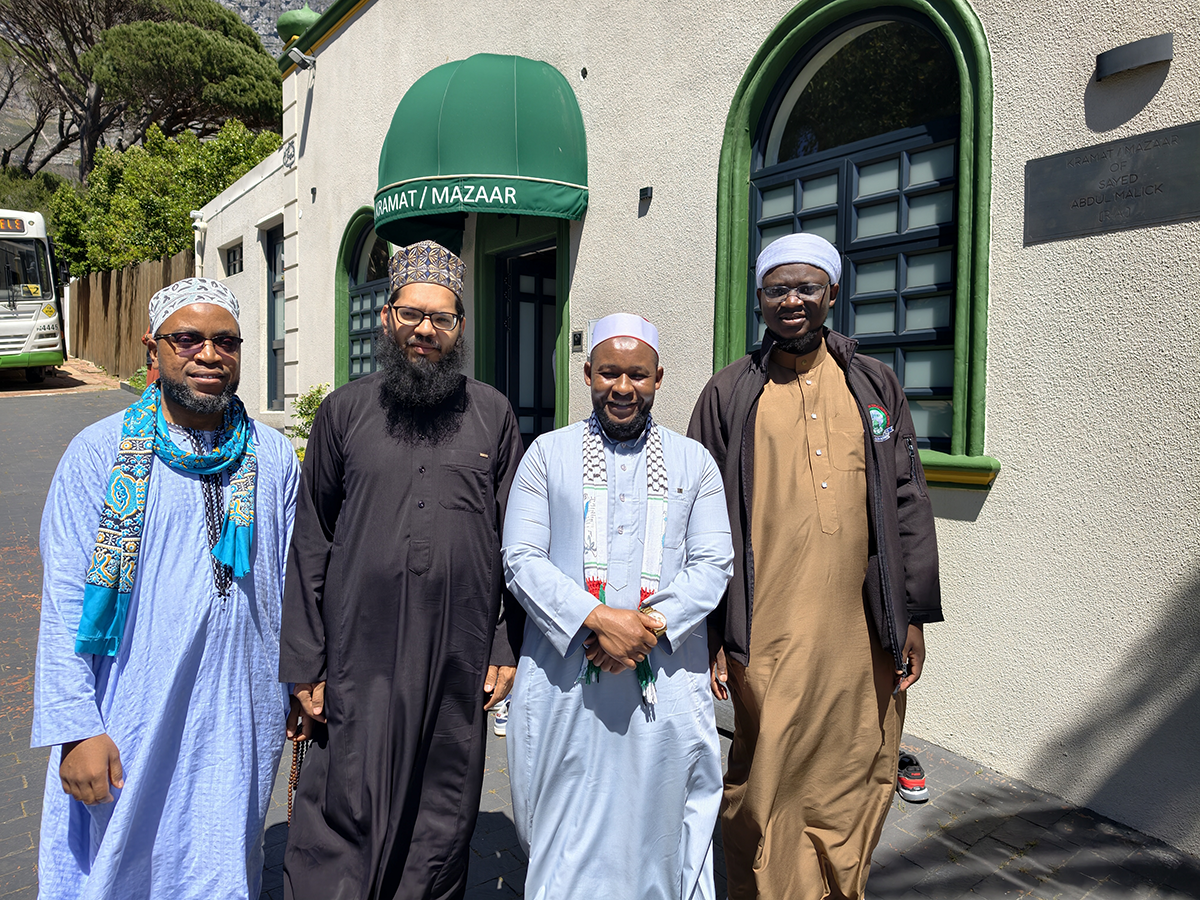
On Sunday, October 25, 2026, hundreds of devotees, researchers and students of sacred knowledge gathered for the CTIEC Cape Kramat Tour 2026.
Far from a conventional commemorative tour, the event functioned as an intentional exercise in spiritual and historical continuity, consciously reconnecting the contemporary Muslim community with its primary spiritual ancestors, a lineage that stands, in every functional and epistemic sense, as the Salaf al-Salih (the righteous forebears) of South Africa.
Organised by the Cape Town Islamic Educational Centre (CTIEC) alongside the Cape Town Ulama Board and supported by the Cape Mazaar Society, the convocation formed a key module of the annual CTIEC History Project.
The initiative approaches the Cape Kramats not as folklore, but as foundational civilisational pillars. It emphasises that Islam did not arrive in South Africa as an abstract philosophy or an imperial byproduct; it arrived in the bodies, memories and spiritual discipline of the Awliya Allah (the chosen servants of Allah) who carried the noble Prophetic message, orthodox scholarship and the profound love of Prophet Muhammad (ﷺ) into colonial exile.
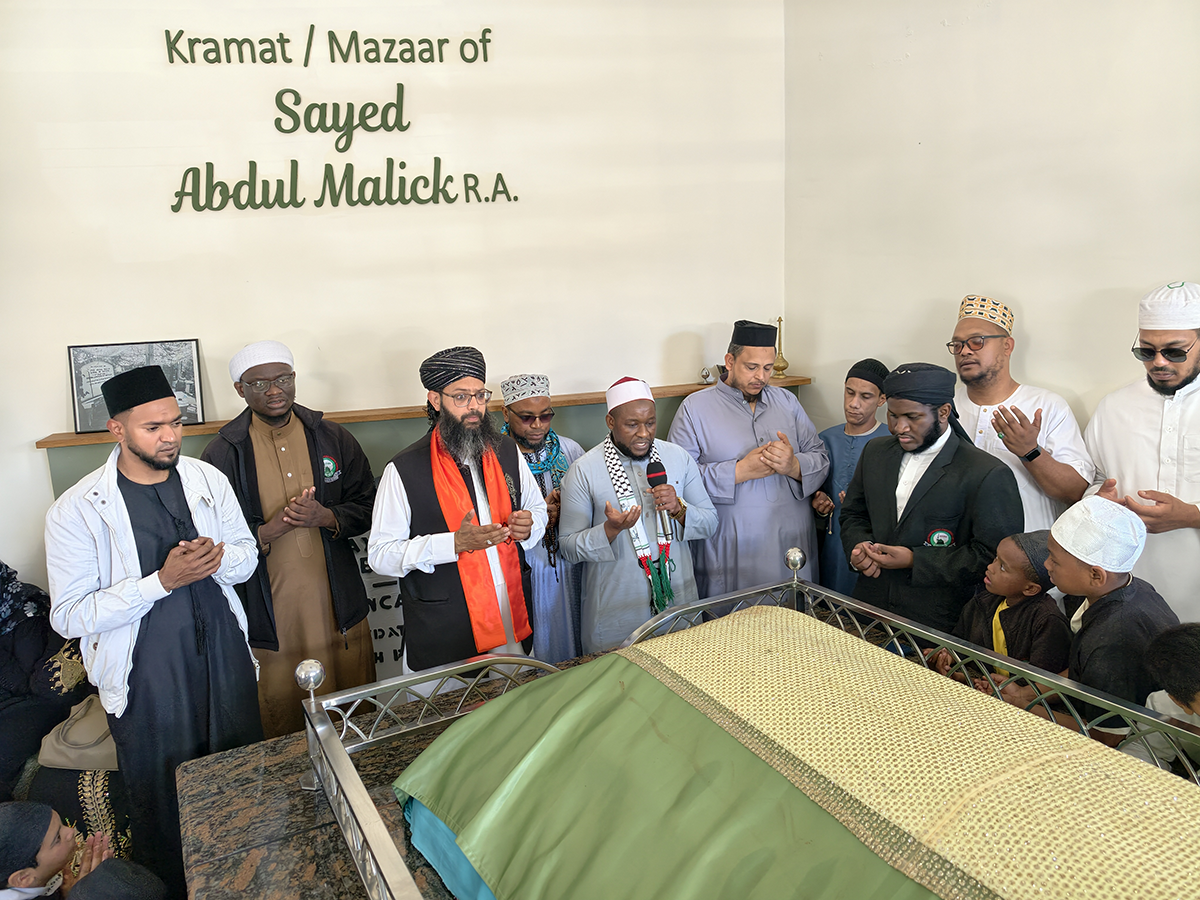
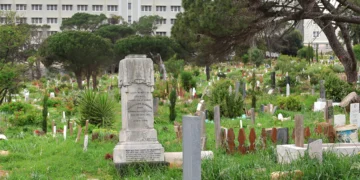
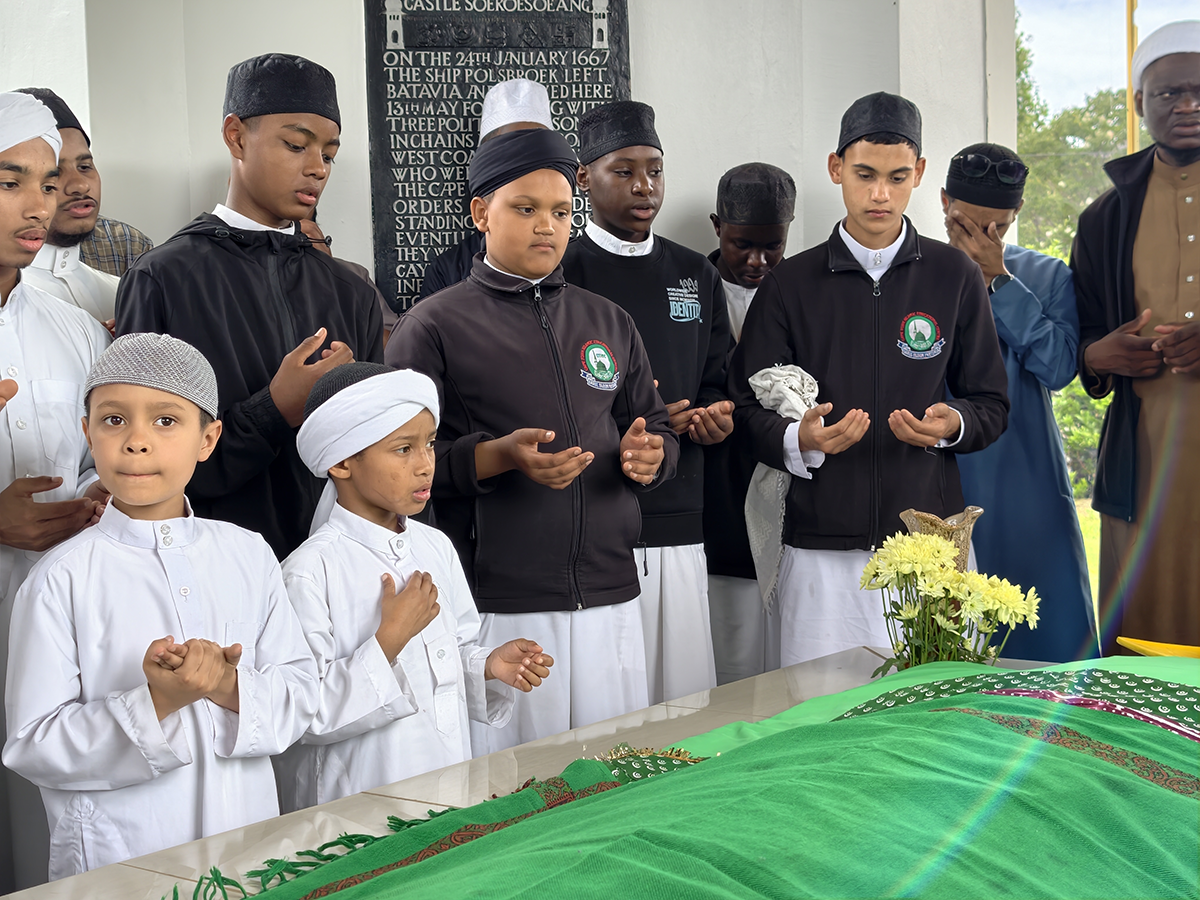
The itinerary commenced in the mountain foothills of Vredehoek at the Maqam of Shaykh Abdul Haq (R.A.) in Deer Park. Long before urban expansion, these secluded slopes served as sanctuaries where exiled scholars and enslaved souls preserved sacred sciences away from the colonial gaze.
You may also want to read





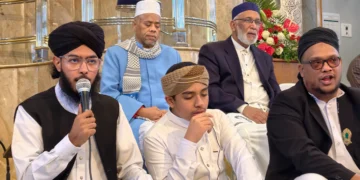
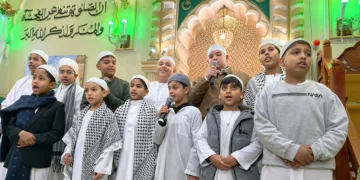
The gathering opened with strict adherence to traditional transmission. Following the recitation of the Holy Qur’an, Nasheed Group Hafez Aadam and the Angels delivered classical qasidahs, melodic poems of devotion that have historically served as the primary didactic medium for transmitting hubb al-Nabi (love of the Prophet (ﷺ)) through generations.
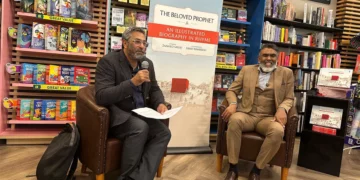
In his address to the assembly, the Principal of CTIEC, Allama Moulana Sayed Imraan Ziyaee, contextualised the gathering through the lens of historical responsibility. He argued that understanding these early figures is not an exercise in historical nostalgia, but an epistemic imperative: the survival of orthodox Muslim identity in a fragmented, modern world requires an uncompromising attachment to the methodology, sacrifice and spiritual ethics established by the region’s founding luminaries.
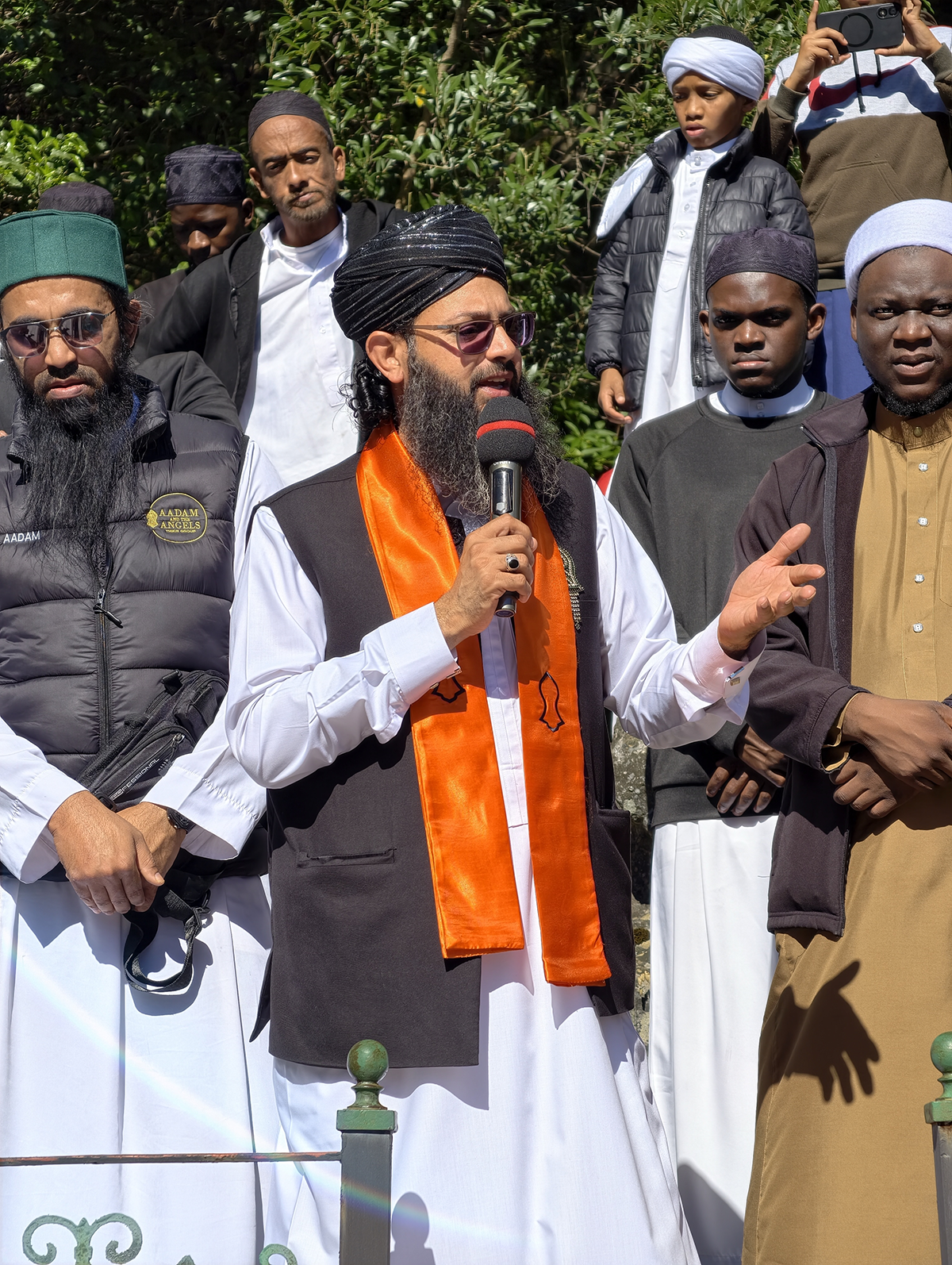
Doctrinal coherence: clarifying ziyarah and affirming Tawhid
A central intellectual anchor of the morning was delivered by scholars of the Cape Town Ulama Board, who directly engaged the classical jurisprudential framework governing the visitation of the righteous (ziyarat al-qubur).
Dismissing modernist misreadings and historical distortions, the scholars offered a rigorous defence grounded in normative Sunni theology. They articulated the principle with absolute clarity: “We do not worship graves! We visit the graves of the believers because Nabi (ﷺ) commanded us to do so.”
The Cape Town Ulama Board members underscored that authentic ziyarah is inherently oriented towards the affirmation of Tawhid (the absolute Oneness of Allah). The shrines serve as profound reminders of mortality, the transience of worldly dominion and the enduring reality of the Hereafter. When Muslims stand at the resting places of the Awliya, they do not ascribe divinity or independent agency to the deceased; rather, they venerate the Divine grace manifested in lives spent entirely in servitude to God. The scholars stressed that these figures were models of monotheistic steadfastness whose spiritual resistance under the oppressive apparatus of the Dutch East India Company preserved the Islamic tradition in the Cape.
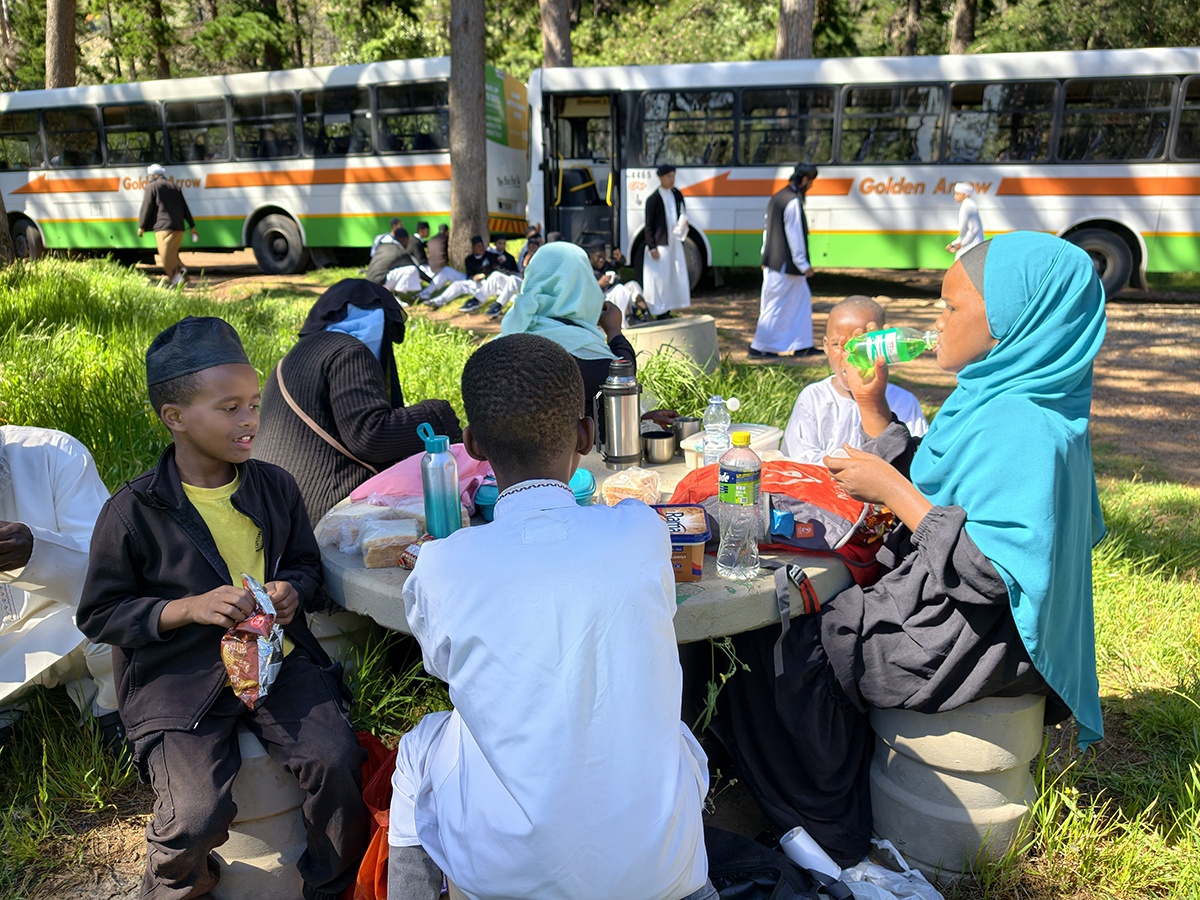
Interwoven with the day’s rigorous historical grounding was a profound renewal of communal and familial ties. Between visits to the respective Kramats, the tour paused to allow families, elders and youth to spread out across the lush Cape greenery for shared picnics. These intervals transformed the open landscape into spaces of fellowship and warmth, where families shared meals, engaged in collective dhikr (remembrance) and established congregational salaah under the open sky. In this natural setting, the living tradition of the Cape was mirrored not just in formal study, but in the organic transmission of faith and brotherhood across family lines.
Throughout each stop, participants engaged in sustained recitations of the Qur’an, litanies of praise and abundant salawat upon the Prophet (ﷺ), turning the day into an active, multi-generational locus of devotion.
Concluding the proceedings, Moulana Sayed Imraan Ziyaee expressed immense gratitude to the supporting institutions and attendees for sustaining this critical scholarly and civic undertaking. He affirmed that the 2026 tour achieved its objective: providing the community with an authentic compass by proving that the roots of South African Islam are deeply intellectual, rigorously prophetic, and undeniably saintly.
Sayed Ridhwaan Mohamed is a South African community journalist, researcher and Honours graduate in Islamic Studies. A steadfast advocate for humanitarian rights and global justice, he lends his expertise to numerous committees specialising in interfaith advocacy and the advocacy of human rights in Palestine and beyond. He currently serves on the executive committee of the Cape Town Ulama Board, is an Executive Member of the Sunni Ulama Council (Cape) and co-founder of the Ahlus Sunnah Media Network.
- Photos: CTIEC Media & Ahlus Sunnah Media