




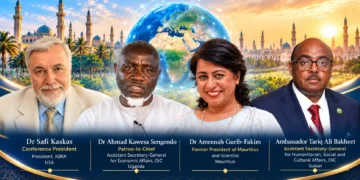

























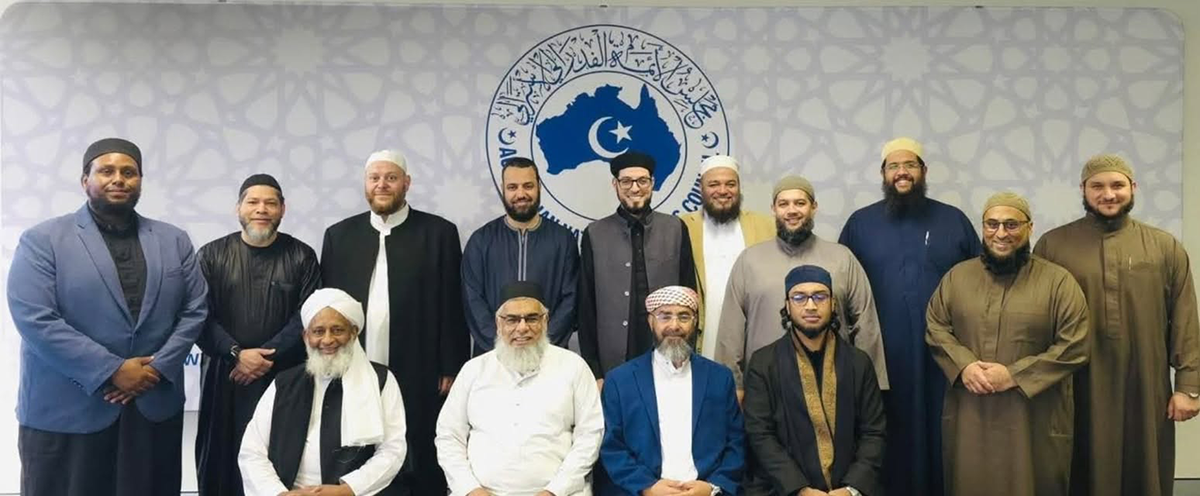

South African ulama joined global scholars at the Global Imams and Scholars Council (GISC) retreat in Australia, building on Cape Town 2025 and strengthening cooperation on Islamophobia, Muslim youth identity, education, community leadership and shared challenges.
By SAYED RIDHWAAN MOHAMED
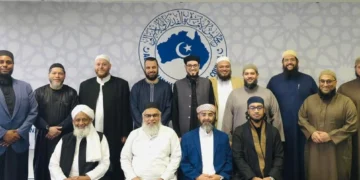
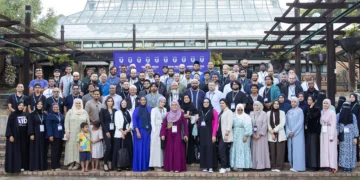
South Africa’s premier Islamic leadership made its presence felt on the world stage this month as the Global Imams and Scholars Council (GISC) convened its fourth annual retreat in Australia.
Following the landmark success of GISC’s third annual retreat held in South Africa in October 2025, this year’s international gathering brought together senior jurists, community organisers and scholars representing national bodies across the United Kingdom, the United States, Canada, Australia and South Africa.
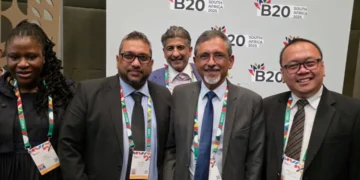
Representing the South African Muslim community at the highest executive level was a distinguished delegation from the United Ulama Council of South Africa (UUCSA). The delegation was led by UUCSA President Moulana Abdul Khaliq Allie, alongside Moulana Yusuf Patel, who serves as both the Secretary General of UUCSA and Deputy President of GISC.
Building on the momentum of Cape Town 2025
The 2026 Australian gathering marked a crucial follow-up to the milestones achieved during the 2025 retreat in South Africa.
During the Cape Town summit, international delegates engaged directly with South Africa’s rich, multifaceted Islamic heritage—a community seasoned by decades of anti-apartheid civic resistance, community building, and institutional maturity.
The Mother City retreat laid the foundational framework for cross-border cooperation between sister national councils, including the British Board of Scholars and Imams (BBSI), the North American Imams Fellowship (NAIF), the Canadian Council of Imams (CCI), the Australian National Imams Council (ANIC), and UUCSA.
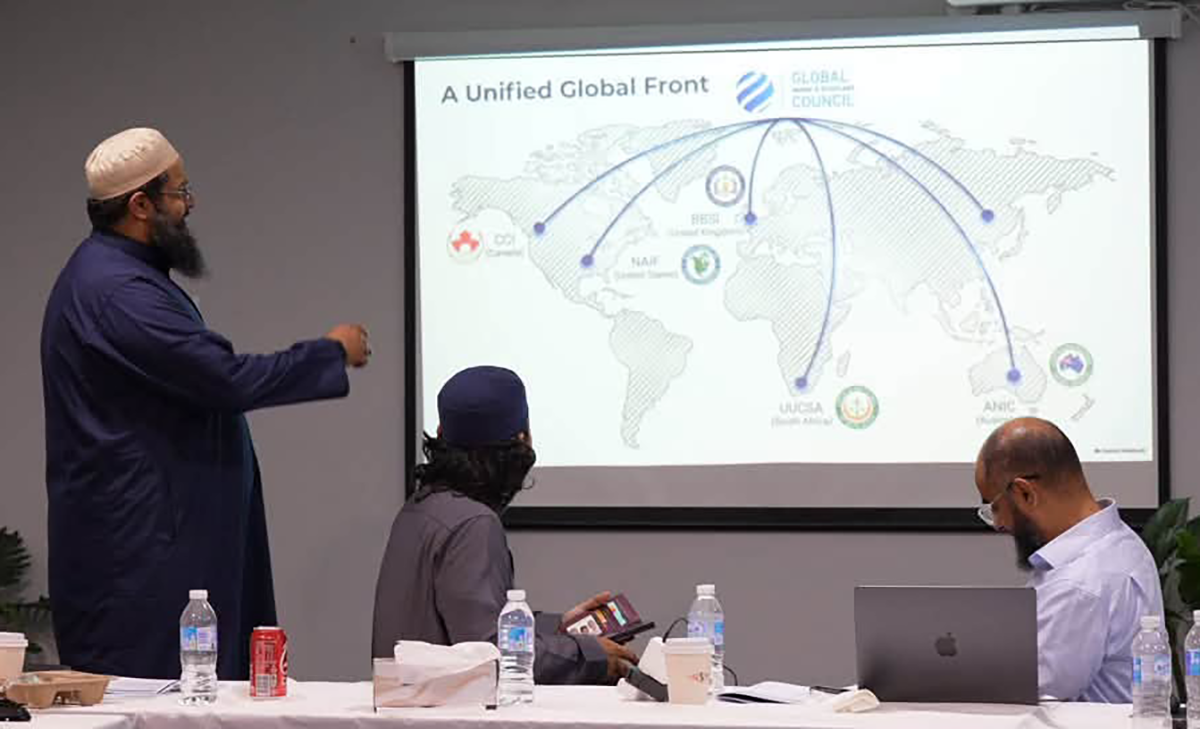
Reflecting on the continuity from last year’s South African summit to the Australian retreat, Moulana Yusuf Patel underscored that global cooperation among scholars is no longer an optional luxury, but an urgent operational necessity.
Speaking on the significance of the retreat, Moulana Patel noted: “We live in a global village where what happens in one part of the world impacts almost immediately on other parts of the world. This makes it necessary for ulama across the globe to network, to collaborate, and where possible, to respond to challenges in a unified manner.”
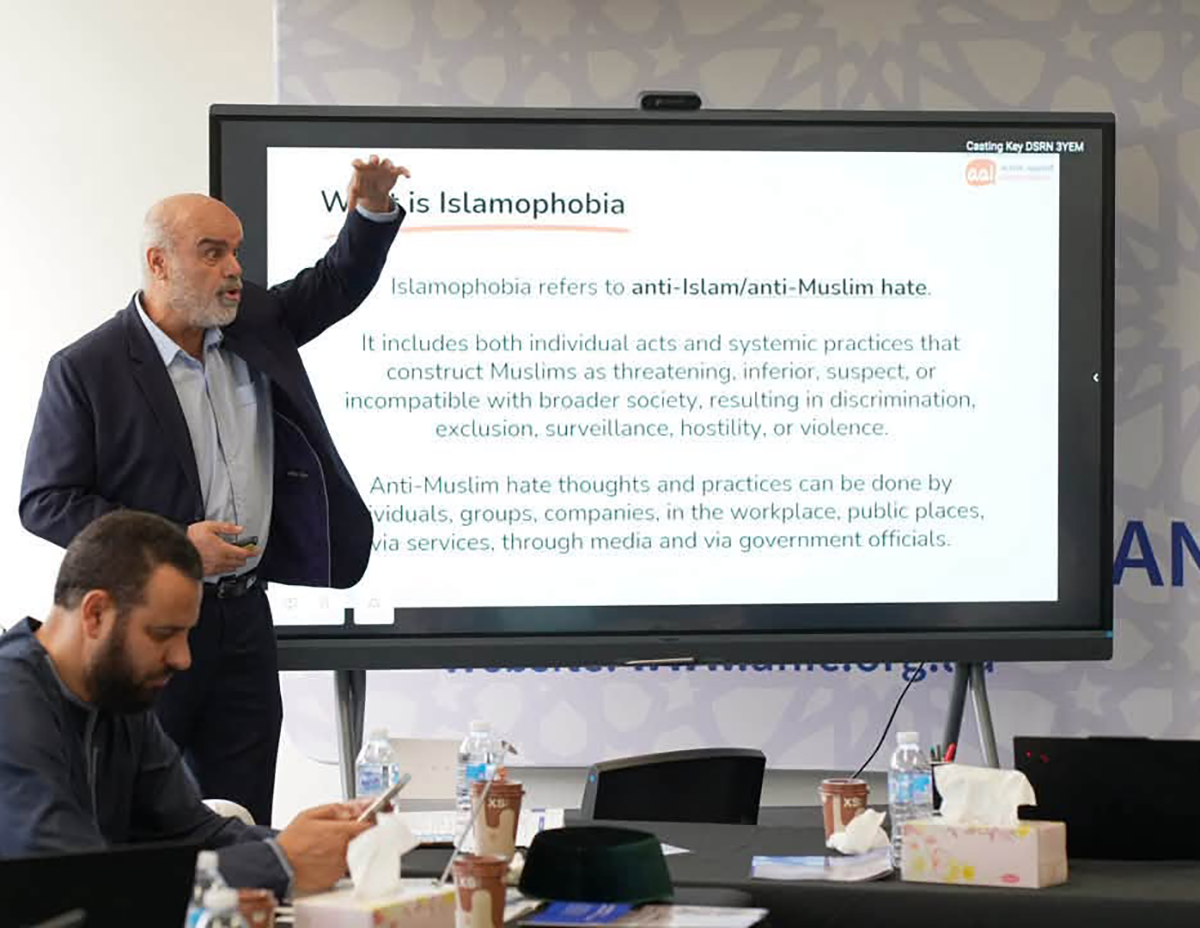
The Global Imams and Scholars retreat held in Sydney was meant to identify common challenges. Foremost among them is the growing tide of Islamophobia, which is sweeping across the world. It becomes necessary for ulama, as leaders in their respective communities, to be skilled and enabled in dealing with these kinds of challenges.
Moulana Patel added: “Another very critical challenge was the identity crisis, especially amongst youth. This is aggravated by the fact that ta’leem (factual Islamic knowledge) among the youth is almost non-existent. This, the ulama contended, leads to an identity crisis where there is a conflict between what youth see and what they believe. Therefore, it is imperative on ulama to ensure that there are opportunities for youth to understand their deen.
“Another aspect of this conference was that we were fortunate enough to engage with the ulama from across the various states in Australia. Australia, compared to South Africa, is a relatively young Muslim community, and therefore in some respects they are well ahead of South African Muslims, and in other aspects we are well ahead of them. The opportunity to engage, interact, and learn first-hand from their experiences provided invaluable lessons for us.“
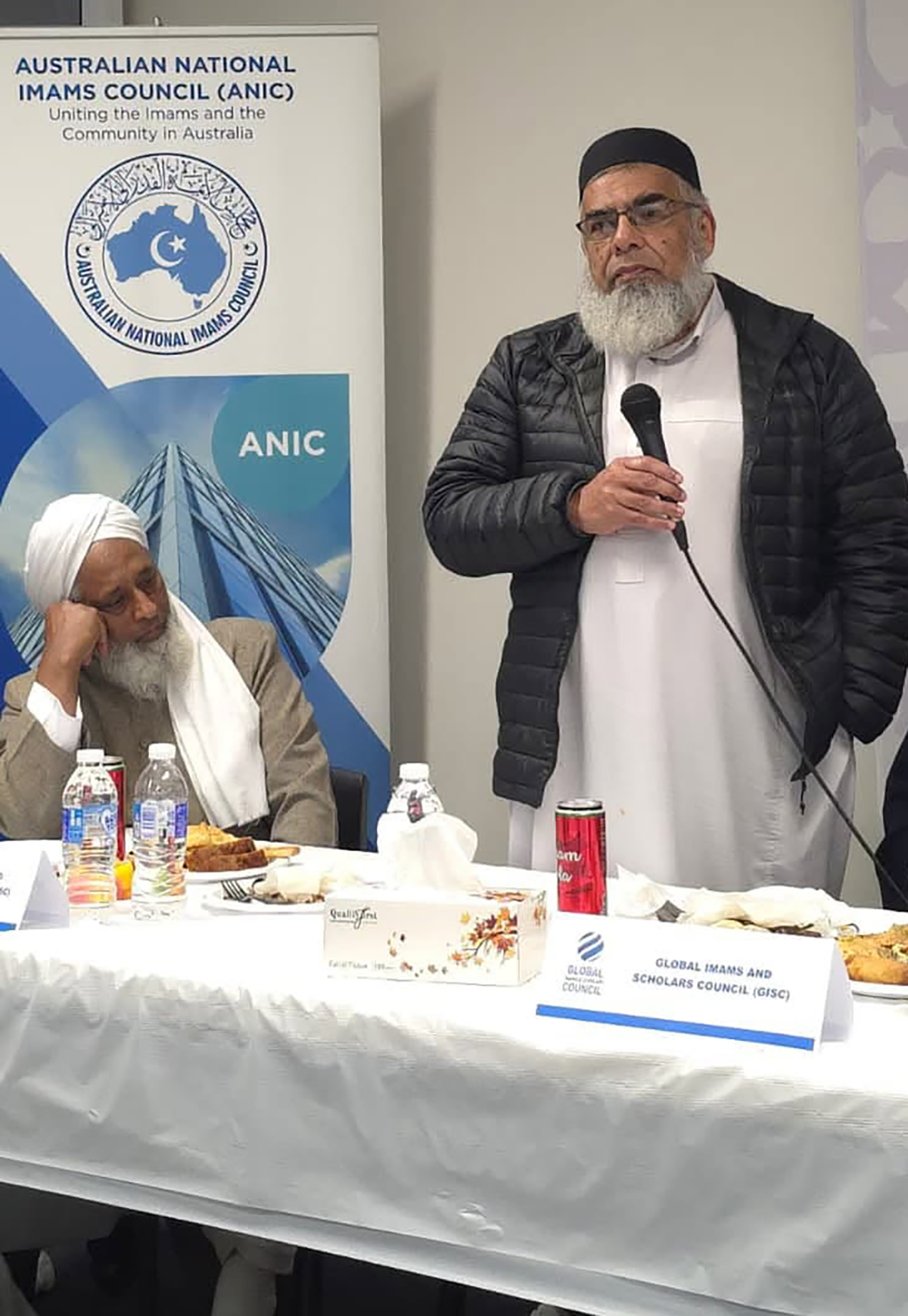
High-level engagements across Sydney and Brisbane
Hosted by the Australian National Imams Council under the leadership of ANIC President and GISC Secretary-General Shaykh Shadi Al-Suleiman, the intensive programme combined formal executive deliberation with grassroots community visits across New South Wales and Queensland.
The retreat opened with two days of intensive, closed-door strategic sessions hosted at the United Muslims of Australia (UMA) Centre and the ANIC headquarters in Sydney. The leadership roundtables addressed five key priorities:
You may also want to read



- Enhancing structured operational coordination between GISC member organisations.
- Formulating joint strategies to preserve Islamic identity among Muslim youth and subsequent generations.
- Establishing proactive responses to Islamophobia, civil liberties challenges, and community protection.
- Developing joint transnational educational and socio-religious initiatives.
- Expanding the capacity of imams and scholars to address contemporary socio-ethical dilemmas confronting the global Ummah.
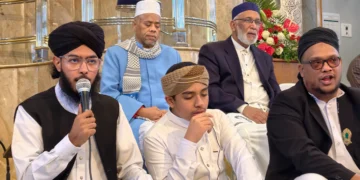
In Sydney, the host council hosted a formal welcoming dinner where the South African delegation and visiting international delegates engaged with local imams, legal minds, and grassroots organisers.
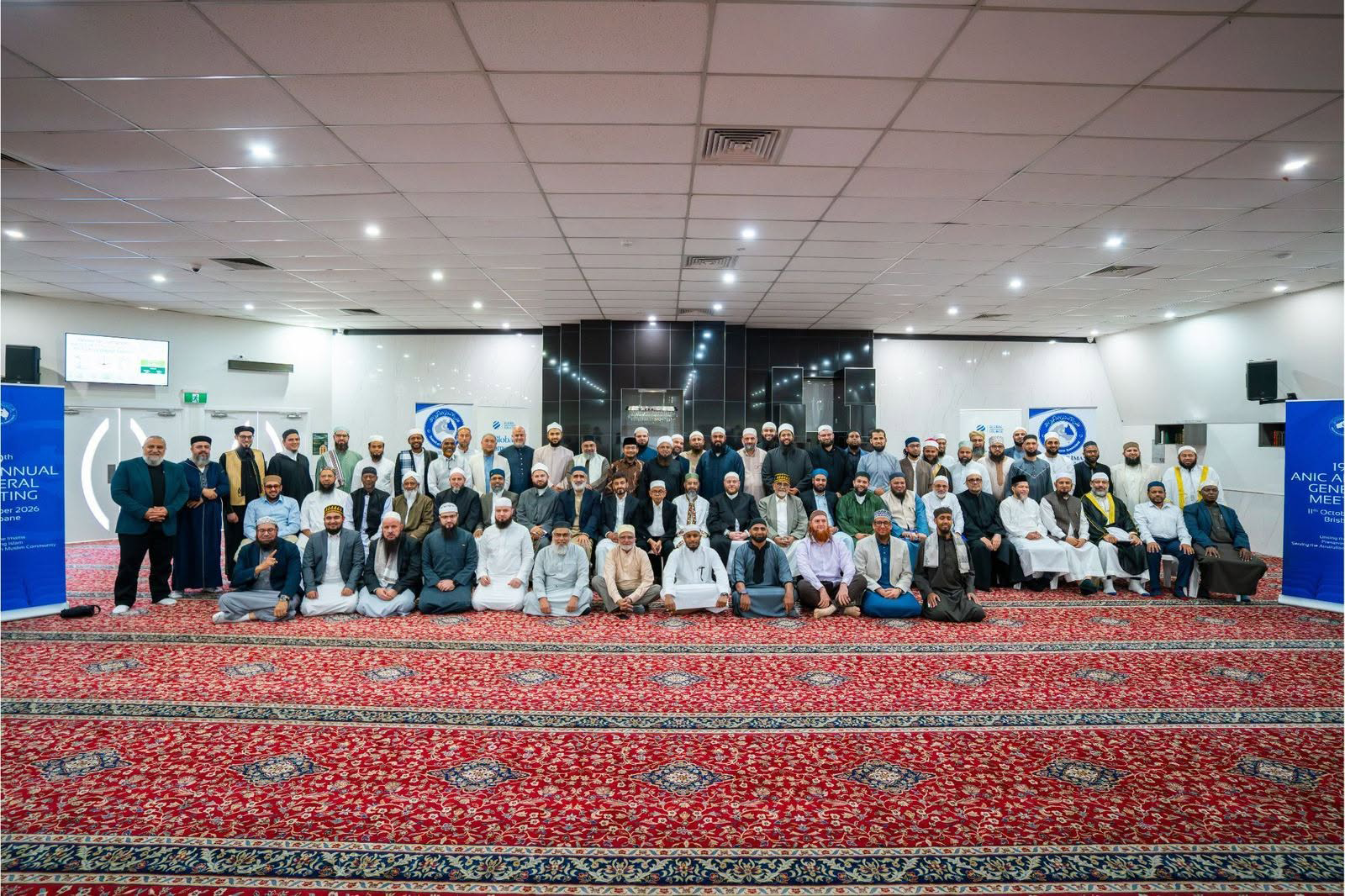
The delegation also travelled to Brisbane, where they participated in the 19th annual general meeting of ANIC on Sunday, October 11, 2026, hosted by the Council of Imams Queensland at Slacks Creek Masjid. The gathering offered UUCSA leadership a direct forum to exchange notes on institutional governance, pastoral care, and community leadership with Australian scholars spanning every state and territory.
Historical roots and future trajectories
The tour also highlighted institutional development and shared historical trials.
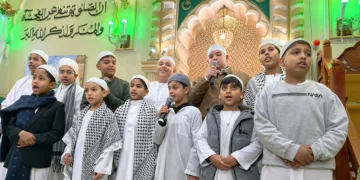
Visiting the Islamic College of Brisbane, delegates assessed models of faith-based primary and secondary education, reviewing how Australian Muslim institutions balance academic standards while insulating and nurturing Islamic character within minority secular settings.
The international scholars also made a pilgrimage to the historic Holland Park Mosque in Brisbane, one of the oldest Islamic sites in Australia, founded in 1908 by Afghan cameleers.
The visit offered a contemplative moment to reflect on early Muslim pioneers who maintained their faith under demanding conditions—a theme deeply resonant with the South African experience, where Islam persevered through colonial servitude and apartheid oppression.
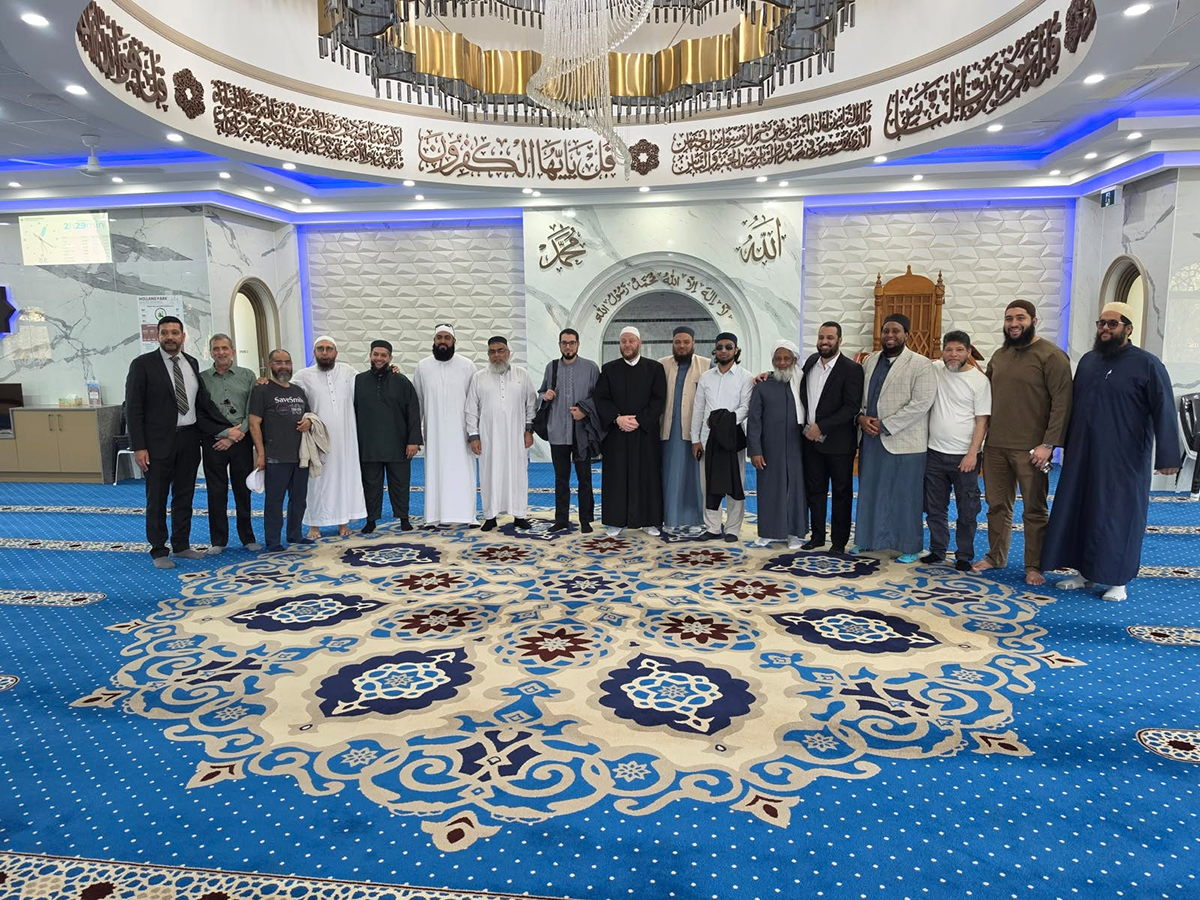
As the retreat concluded on Thursday, October 15, 2026, GISC and UUCSA reaffirmed their collective commitment to transnational unity, declaring that despite regional nuances, Muslim minorities share an indivisible duty toward the preservation of Islam and the upliftment of the broader Ummah.
Sayed Ridhwaan Mohamed is a South African community journalist, researcher and Honours graduate in Islamic Studies. A steadfast advocate for humanitarian rights and global justice, he lends his expertise to numerous committees specialising in interfaith advocacy and the advocacy of human rights in Palestine and beyond. He currently serves on the executive committee of the Cape Town Ulama Board, is an executive member of the Sunni Ulama Council (Cape), and co-founder of the Ahlus Sunnah Media Network.
- Photos: Supplied by GISC