

































![The market-builder who restrained the market [Part 2]](https://muslimviews.co.za/wp-content/uploads/2026/08/PHOTO-2026-08-25-17-16-32-360x180.jpg)
![The merchant preceding the Prophetic mission [Part 1]](https://muslimviews.co.za/wp-content/uploads/2026/08/01-360x180.jpg)










MAHMOOD SANGLAY
On Sunday, November 2, 2025, the tranquil fields of Awqaf SA’s Daleside Farm in Randvaal, Gauteng, will come alive with the spirit of community, sustainability, and sacred purpose.
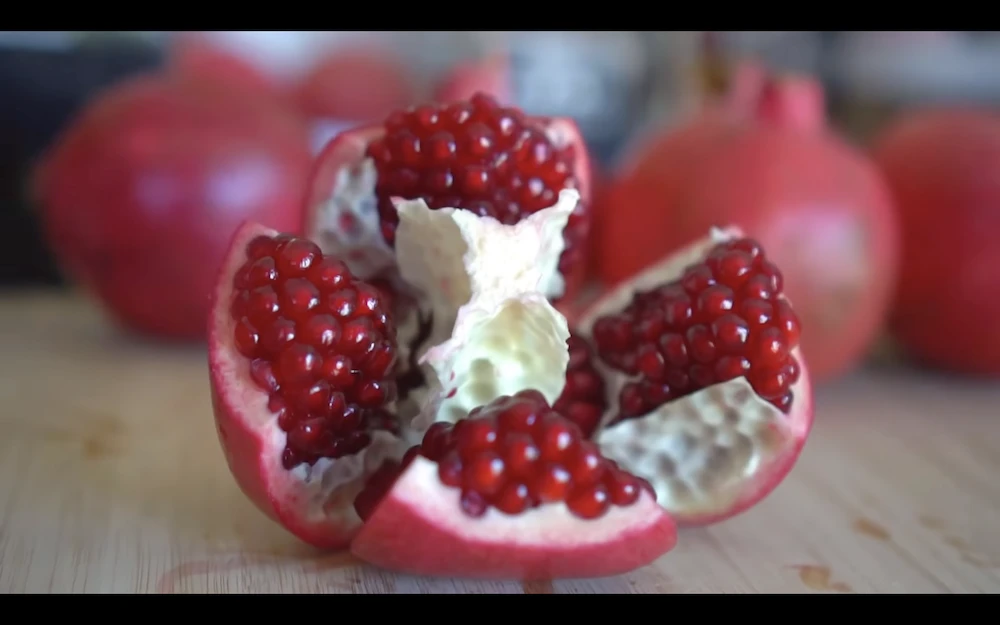
The Fruit TreeWAQF initiative, spearheaded by Awqaf SA, will see the planting of 800 pomegranate trees—a gesture that is both environmentally impactful and deeply rooted in Islamic tradition.
This tree-planting event is a waqf, a charitable endowment that will bear fruit—literally and spiritually—for generations. The trees will serve as a source of sustenance and support for orphans, the elderly, and educational programmes, aligning with Awqaf SA’s mission to empower communities through sustainable development.
The choice of the pomegranate tree is profoundly symbolic. In Islam, the pomegranate is revered as a fruit of Jannah (Paradise). It is mentioned in the Qur’an as one of the blessings of the Garden:
“In them (both) will be fruits, and date palms and pomegranates.”
You may also want to read


(Surah Ar-Rahman, 55:68)
This verse places the pomegranate among the divine provisions of Paradise, highlighting its spiritual significance. The fruit is also praised for its health benefits and beauty, making it a fitting emblem for a waqf that nurtures both body and soul.
The Prophet Muhammad ﷺ is reported to have said:
“There is not a pomegranate which does not have a pip from one of the pomegranates of the Garden in it.”
(Narrated by Abu Nu’aym in his book Tibb al-Nabawi)
This Hadith underscores the sacred nature of the pomegranate and its connection to divine bounty. Planting such trees is not only an act of charity but also a reflection of faith and reverence for Allah’s creation.

Tree planting is a practice deeply embedded in the Sunnah. The Prophet Muhammad ﷺ encouraged the planting of trees and caring for the earth:
“If a Muslim plants a tree or sows seeds, and then a bird, or a person or an animal eats from it, it is regarded as a charitable gift (sadaqah) for him.”
(Sahih al-Bukhari, Hadith 2320)
This Hadith encapsulates the ethos of the Fruit TreeWAQF. Every tree planted becomes a source of ongoing reward, a sadaqah jariyah (continuous charity) that benefits the planter long after the act is done.
Awqaf SA invites families, individuals, and especially children to participate in this meaningful event. Volunteers are encouraged to bring sun hats, spades, watering cans, and snacks for a morning of planting and fellowship. The initiative is designed to be inclusive and educational, fostering a love for nature and a sense of responsibility among the youth.
To participate, volunteers can RSVP at https://form.jotform.com/awqafsa/plant-trees2025. Directions to the farm are available via Google Maps on the Awqaf SA website. Alternatively, you may click this link: https://goo.gl/maps/hhUJoseoErnDncCJ9?g_st=am This form: https://bit.ly /tree_ volunteer2025

PHOTO Daisy Creek Farm
In a time of ecological crisis and social fragmentation, the Fruit TreeWAQF stands as a beacon of hope. It reminds us that Islamic values of charity, sustainability, and community are not only timeless but urgently relevant. By planting a tree, we plant a legacy—one that nourishes the earth, uplifts the vulnerable, and draws us closer to the divine.
Let us heed the call: “Plant a tree today for a better tomorrow.”