


















![Does ta’wīl mean interpretation or fulfilment? A Quranic reassessment [+video]](https://muslimviews.co.za/wp-content/uploads/2026/10/Tawil-Kaskas-360x180.webp)



























![Why becoming a wealthy Muslim is commendable in Islam [+videos]](https://muslimviews.co.za/wp-content/uploads/2026/09/Muslim-Trade-Business-1-360x180.webp)










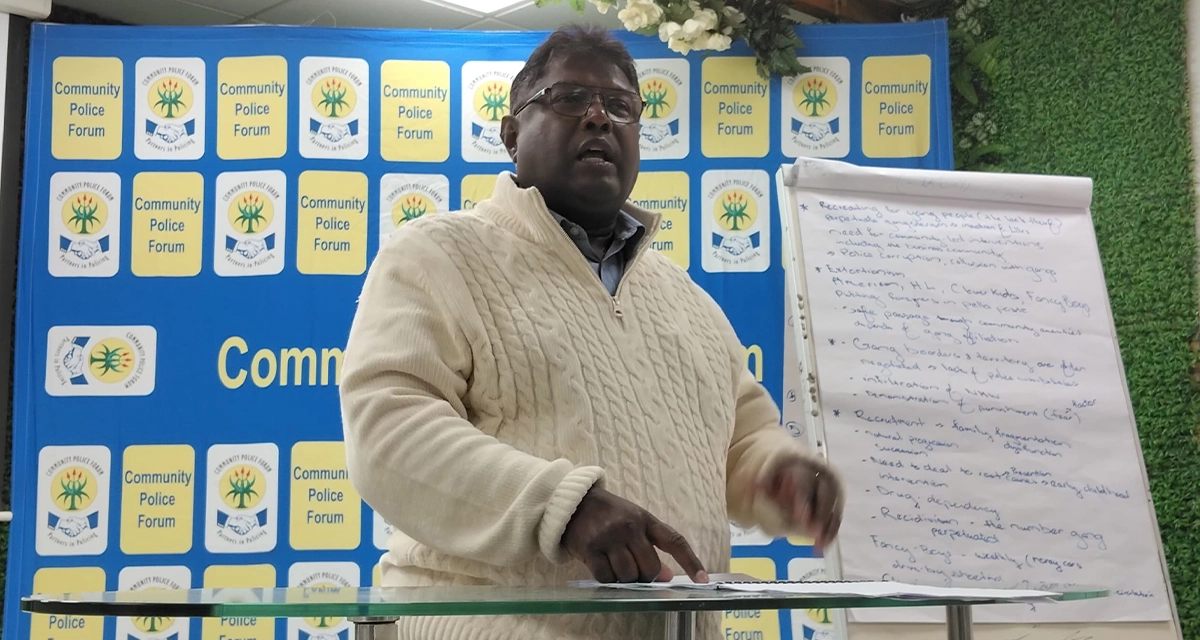

Police, government departments and community organisations are developing a five-year Community Safety Plan to tackle the conditions that allow gangs to flourish in Manenberg.
By YASEEN BARDIEN
Police, government departments and community organisations are developing a five-year Community Safety Plan aimed at tackling the conditions that allow gangs to flourish in Manenberg, Cape Town.
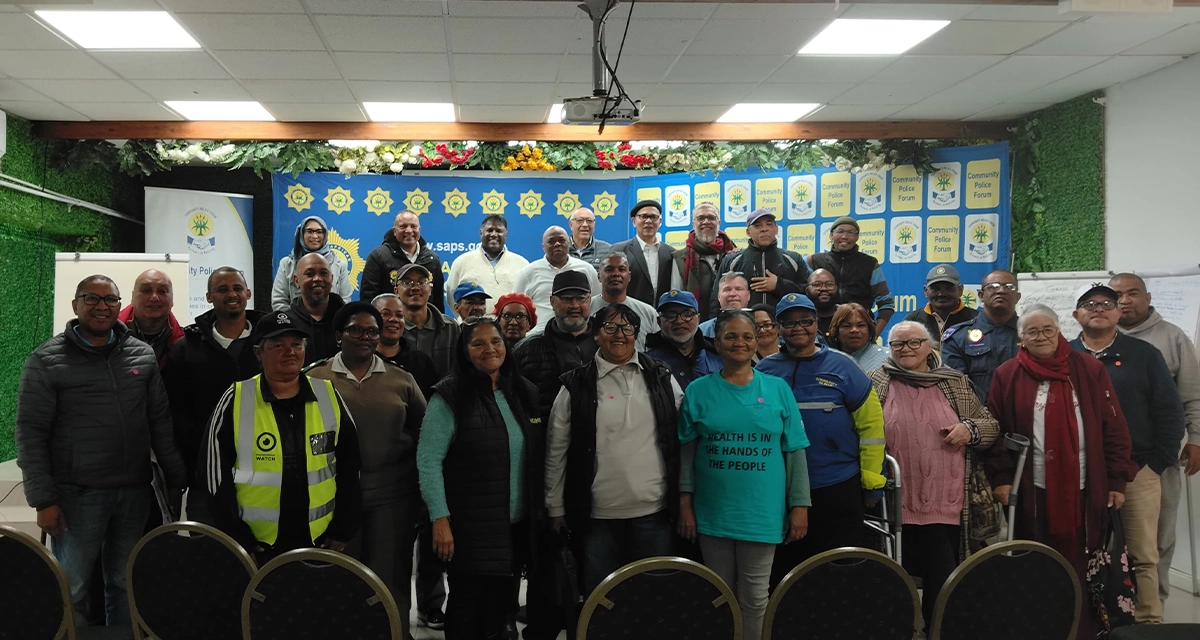
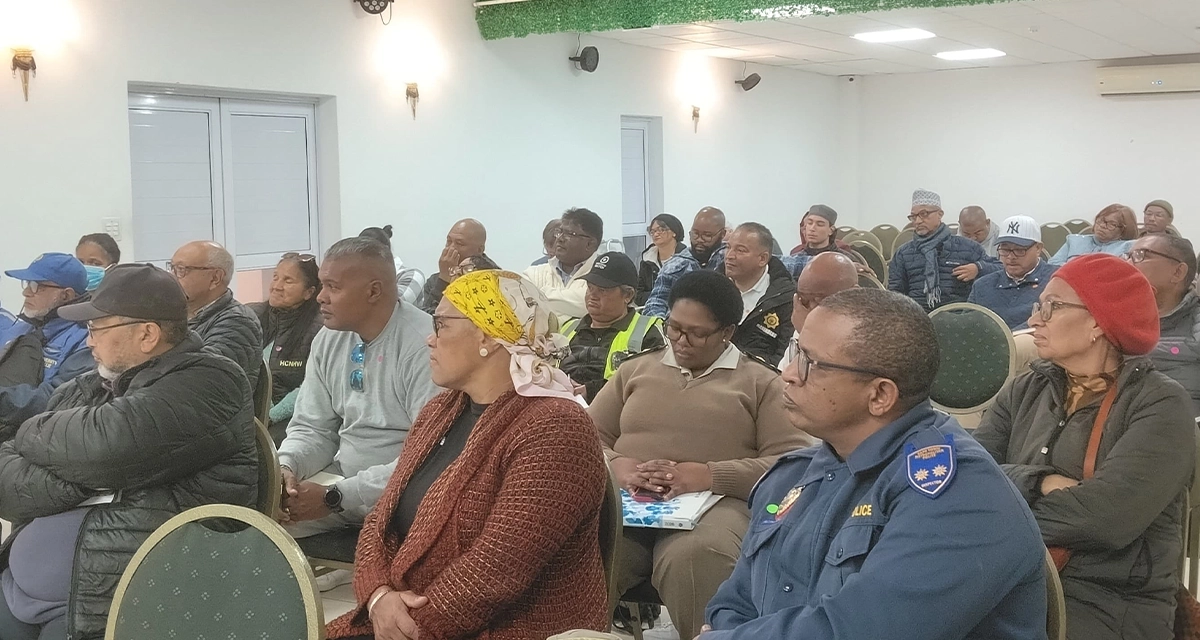
Dozens of activists, police officers, community leaders and residents gathered in Surrey Estate on Saturday, July 25 to refine the draft at a workshop hosted by the South African Police Service (SAPS) in Manenberg and the Cape Crime Crisis Coalition (C4).
Recommendations from the workshop will be added to the draft before another meeting in August.
The plan assigns specific responsibilities to government departments, civil society organisations and residents across areas including education, crime prevention, social development and urban management.
Rather than introducing new programmes, it focuses largely on improving coordination and implementation of existing government responsibilities.
Brigadier Jayce Naidoo, station commander of Manenberg SAPS, said the proposed plan focuses on addressing the conditions that allow gangs to thrive rather than relying solely on policing.
Naidoo said the plan is based on a ‘whole of society’ and ‘whole of government’ approach. He said policing alone cannot dismantle the gang ecosystem. Lasting change, he said, depends on government, schools, faith and community groups carrying out their own responsibilities.
‘The five-year plan that we proposed today is to dismantle and make our community safer,’ said Naidoo.
‘The fight against gangs is not won by confrontation alone. It is won by outperforming them in service delivery, accessibility and community empowerment.’
You may also want to read


He said the strategy calls for stronger implementation of existing government policies, including those relating to education, City-owned rental stock used for criminal activity, bail decisions involving gang leaders, parole supervision and crime prevention.
Captain Ian Bennett, media liaison officer for Manenberg SAPS, said the workshop formed part of a longer process to strengthen an existing plan developed through consultations held throughout last year.
Participants then broke into three groups to discuss what organisers described as the ‘gang ecosystem’ before reviewing the draft of the plan.
They described gangs as sophisticated organisations that recruit vulnerable children, some as young as six. The groups said gangs generate income through drug trafficking, extortion, construction and taxi-related crime and increasingly fill gaps left by government services.
Participants identified family breakdown, poverty, school dropouts, inadequate rehabilitation, weak implementation of government policies and limited visible policing as conditions that allow gangs to recruit and flourish.
They argued that gangsterism was a symptom of a broader social and economic problem rather than the root issue itself.
The second session focused on the draft of the Community Safety Plan, with groups identifying areas they believed required more attention.
A common recommendation was greater parental involvement in children’s education, particularly at primary school level. Participants said anti-gang interventions should begin at primary school level rather than only in high school.
They also suggested changes to sections dealing with the criminal justice system, including responsibilities around bail and parole. Other recommendations included increased police visibility in schools and greater assistance for neighbourhood watches.
Nathanzo Schultz of the Manenberg Youth Desk said the workshop helped participants identify resources already available in the community while building new relationships between organisations.
He said many organisations were already doing valuable work but residents were often unaware of the support available.
‘We just need to make sure we market correctly to our communities,’ he said.
Some participants expressed concern about whether the plan would be translated into action, but Schultz said he was confident it would be.
‘There are a lot of people in the room. I feel all the people will follow through.’
Echoing Schultz’s comments, Shaykh Ighsaan Taliep, representing C4, described the workshop as the beginning of a broader process to build community ownership of the safety plan.
Shaykh Taliep said bringing SAPS together with government departments and other organisations created an opportunity to develop a shared approach to crime prevention and strengthen accountability across government.
‘It requires community input and community ownership.’