

![Does ta’wīl mean interpretation or fulfilment? A Quranic reassessment [+video]](https://muslimviews.co.za/wp-content/uploads/2026/10/Tawil-Kaskas-360x180.webp)










![Why becoming a wealthy Muslim is commendable in Islam [+videos]](https://muslimviews.co.za/wp-content/uploads/2026/09/Muslim-Trade-Business-1-360x180.webp)

![The market-builder who restrained the market [Part 2]](https://muslimviews.co.za/wp-content/uploads/2026/08/PHOTO-2026-08-25-17-16-32-360x180.jpg)

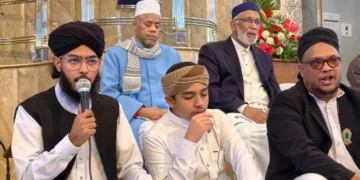



Iran’s four-decade education journey is a dynamic model of transformation from illiteracy to expanded universities, gender equity, scientific research, technology startups, digital literacy and ambitions for global scientific leadership.
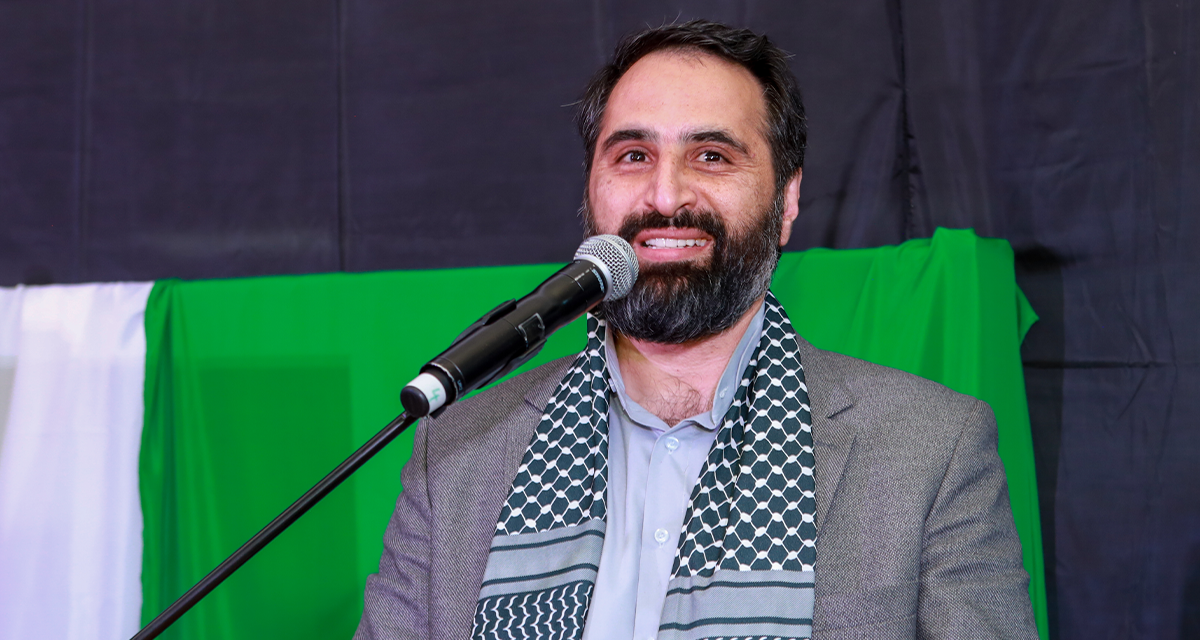
This keynote address was delivered at the Honouring Our Teachers awards ceremony on Saturday October 10. The annual event recognises the achievements of teachers and is hosted by MAIL – Movement Against Illegitimate Leaders. Introducing the speaker, Siraj Desai pointed out that – in contrast to Iran’s post-revolution educational achievements – one of South Africa’s biggest failures in the post-Apartheid era was in the field of education.
By SEYED MOSTAFA DARYABARI
I stand before you today to recount an extraordinary, civilisation-building epic in contemporary history; the story of a nation that, over the past four decades, has achieved one of the world’s most remarkable scientific and educational leaps.
The title of my address today embodies a continuous and dynamic movement: “From Eradicating Illiteracy to Scientific Eminence: An Overview of Four Decades of Educational Achievements in the Islamic Republic of Iran.”
This is not merely a routine performance report; rather, it is the story of the resurgence of identity, historical roots, and the will of a nation that has chosen “knowledge” as the foundation of its independence and authority.
1. Historical roots, identity and religious strategy: the union of knowledge and faith
To understand the Iran of today, one must look at its past.
You may also want to read



Iran is the cradle of scholars such as Avicenna (the Latin name of Ibn Sina) and was known as “The Father of Modern Medicine” and his famous book, The Canon of Medicine (Al-Qanun fi al-Tibb), was the standard medical textbook in Europe and the Islamic world for over 500 years; Al-Farabi (famously given the title “The Second Teacher” with Aristotle being the first); Al-Khwarizmi (the concept and name of the algorithm were created by the ninth-century Persian mathematician Muhammad ibn Musa al-Khwarizmi); and Omar Khayyam (while he is internationally famous in the West for his beautiful, deeply reflective poetry, his contemporary world recognised him primarily as a master mathematician and astronomer, the first to systematically classify and solve cubic equations geometrically). It is a land that kept the “cultural Silk Road” stretching from China to Europe illuminated by the light of knowledge.
Following the Islamic Revolution, this ancient cultural tradition became intertwined with a profound religious strategy.
In Islamic thought, the pursuit of knowledge is not merely a choice but a divine obligation.
The primary driving force behind this movement was the historic decree issued in 1980 by the Architect of the Revolution, the late Imam Khomeini, to establish the Literacy Movement, alongside the Martyr Supreme Leader Ayatollah Seyed Ali Khamenei’s persistent emphasis on “scientific jihad.” In this region, religion serves as a catalyst for development and knowledge, while science acts as a means to realise justice and human dignity.
2. Motivational aspect: a willpower transcending sanctions and obstacles
What distinguishes Iran’s educational track record is the attainment of these milestones amidst a storm of adversities, three Imposed Wars (1980-1988; June 2025; and February 2026-ongoing), and the harshest sanctions in modern history.
The children of Iran transformed threats into opportunities. A motivational mindset and belief in the slogan “We Can” became the fundamental building blocks of our progress. Far from becoming passive, our universities evolved into bastions of self-belief, innovation, and national self-reliance.
We defined the meaning of resilience in the arena of science.
3. Cultural dimension and educational equity: dismantling the walls of discrimination
One of the Islamic Republic of Iran’s greatest honours is the realisation of educational equity through a cultural approach. We succeeded in breaking the monopoly that specific social classes or capital-city residents once held over education.
- Gender equity: Today, women constitute more than half of Iran’s student population and serve as pillars of the nation’s scientific community—working as professors, scientists, and senior executives.
- Geographic equity: Iran’s most remote villages and nomadic communities have been brought under the coverage of schools and literacy programmes, ensuring that no talent remains dormant due to geographic deprivation.
4. Transition from illiteracy to a knowledge-based society (key documented statistics)
Statistics speak most eloquently to this historic leap. A look at the indicators from the past four decades reveals the scope of this structural transformation:
- The School-Building and Public Literacy Movement: The number of schools in the country has surged from approximately 33 000 at the beginning of the Revolution to over 100 000—a massive leap, a transformation that raised the literacy rate within the target age group from 47% to nearly 98% and eradicated absolute illiteracy.
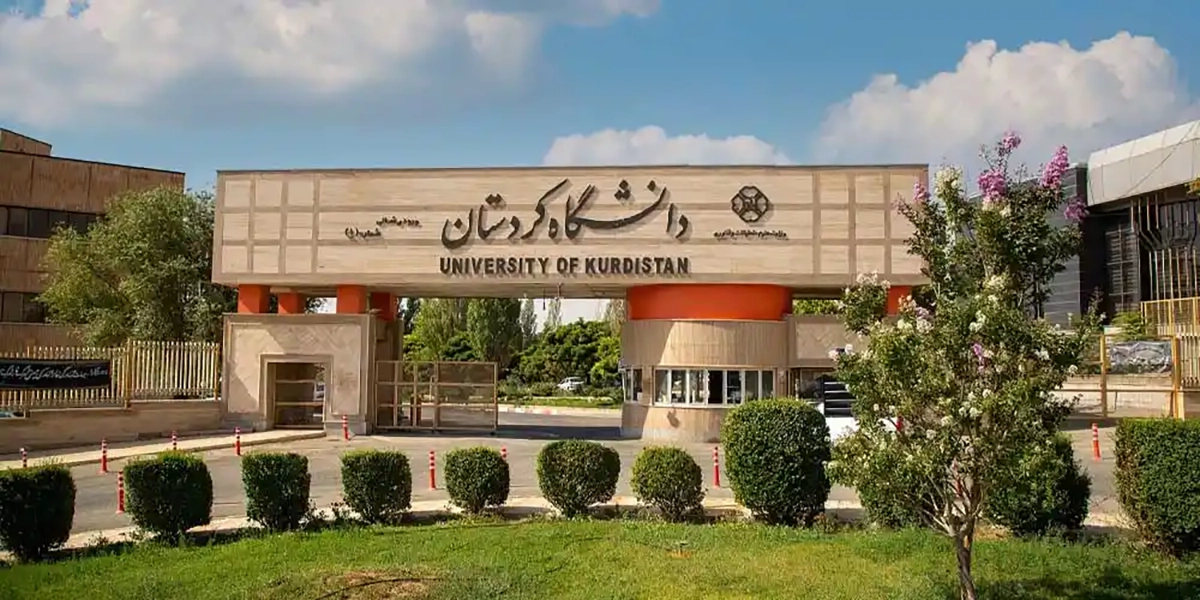
- Unprecedented expansion of the university infrastructure: Before the Revolution, Iran had only about 20 universities and higher education centres, limited to a few major cities. Today, thanks to the higher education system, more than 2 500 universities and higher education centres (including public, Islamic Azad, medical sciences, Payame Noor, and non-profit higher education institutions) are distributed across Iran to ensure educational equity.
- Explosion in the student population and self-sufficiency in graduate education: The country’s student population has grown remarkably from approximately (almost) 170 000 to over 3.2 million.
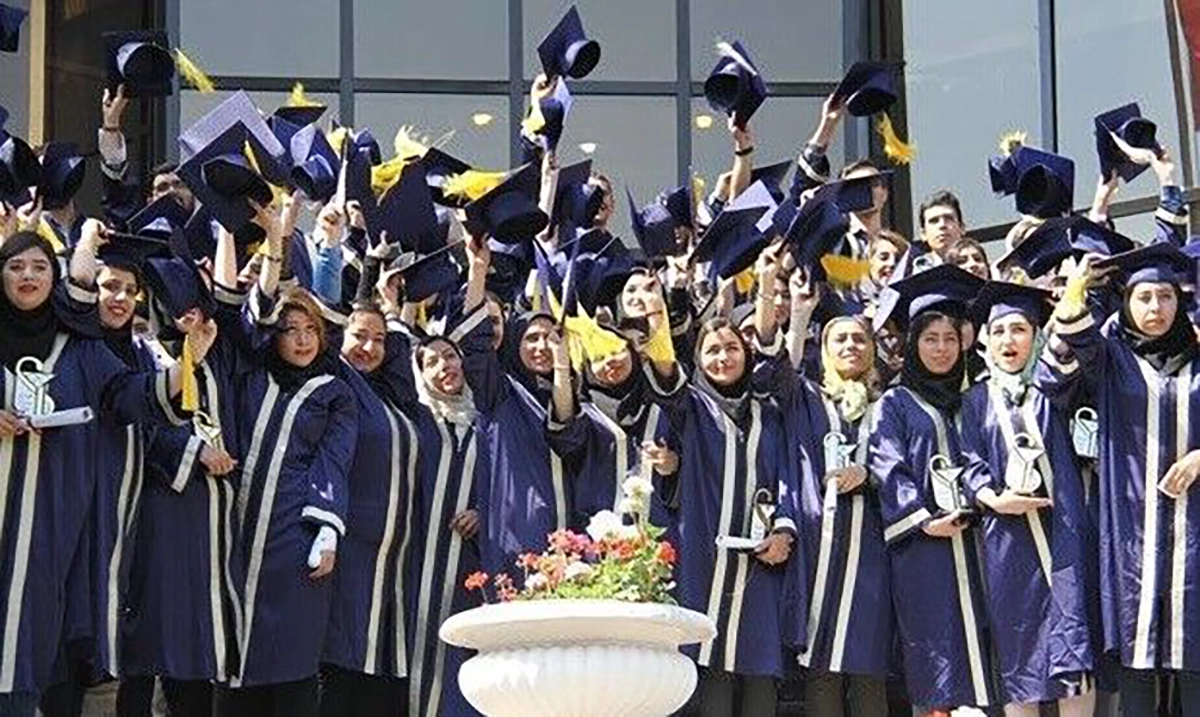
Yet, even more impressive than the quantitative expansion is the qualitative growth; while there were only about 7 000 graduate students (Master’s and PhD levels) in the country prior to the Revolution, that figure has surged 100-fold to over 700 000 researchers and graduate students, raising the share of these levels to more than 22% of the total student population.
- Gender equity in higher education: The share of women occupying university seats has risen from approximately 25% to over 56%, marking an international record in the advancement of gender equity.
5. A research-oriented, academic and development-driven approach: from cutting-edge disciplines to a knowledge-based ecosystem
Iran has not limited itself to the development of traditional universities; rather, by transitioning to third- and fourth-generation universities (entrepreneurial and community-oriented), it has transformed its academic hubs into engines of the technology economy:
- Emerging disciplines and the frontiers of knowledge: Iran’s top-tier universities—such as the University of Tehran, Sharif University of Technology, Amirkabir University of Technology, and the Tehran and Shahid Beheshti Universities of Medical Sciences—now host the world’s most modern and novel academic disciplines, ranging from artificial intelligence engineering, quantum science, and big data to nanomedicine, pharmaceutical biotechnology, cognitive sciences, and aerospace engineering.
This dynamism has propelled Iran to the top scientific ranking in West Asia and the 15th position globally in scientific output.
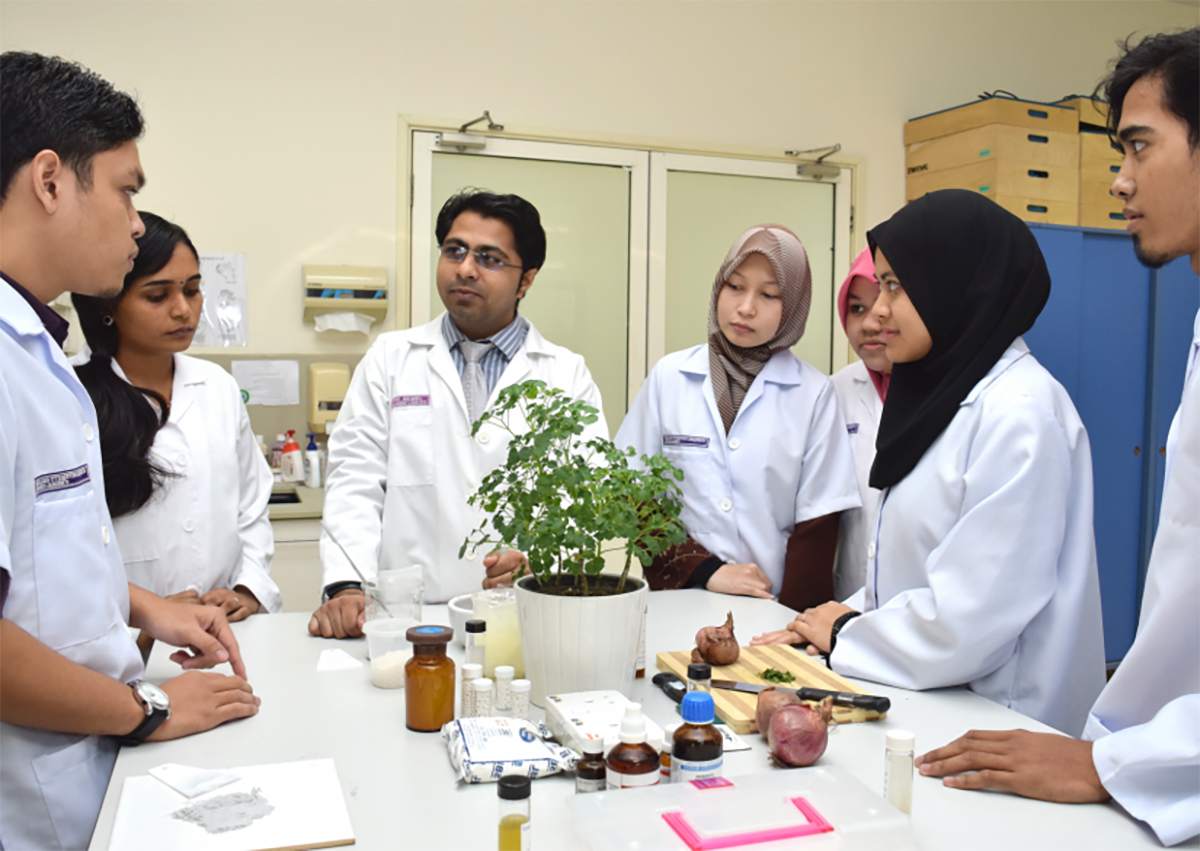
- The technology and startup ecosystem revolution: The manifestation of this academic capital is evident in Iran’s knowledge-based economy. As the country approached 2026, the “science-to-wealth” value chain — driven by over 11 000 active knowledge-based companies and thousands of innovative startups — has recorded staggering revenue. Today, Iran not only localises complex equipment but also exports hundreds of millions of dollars’ worth of high-tech products to the global market annually, even under the most severe sanctions.
6. A modern approach and future-oriented outlook: international horizons, the AI revolution and digital literacy
However, the Islamic Republic of Iran’s perspective is never fixed on the past; our strategic vision is firmly directed towards the future. The world stands on the threshold of a profound civilisational and technological transformation. Recognising this historical reality, Iran has anchored its overarching policy frameworks and modern development plans for the coming years on three key, revolutionary pillars:
- The revolution in artificial intelligence and quantum technologies: By adopting and implementing the “National Artificial Intelligence Document” and establishing the National Artificial Intelligence Organization, the Islamic Republic of Iran has taken a major step towards ranking among the world’s top ten nations in this field. We have shifted our focus from traditional education to training scientists in big data, quantum computing, and advanced computational infrastructure, ensuring our universities spearhead the engineering of the future.
- The digital literacy movement and smart education: The concept of literacy has been redefined within Iran’s educational discourse. We have moved beyond the eradication of traditional illiteracy towards “universal digital literacy” and the development of smart education platforms powered by cutting-edge technologies. Our goal is to equip all levels of society—from schools to higher education—with skills in problem-solving, coding, and technological analysis.
- Transnational scientific diplomacy and global authority: Today, Iranian universities serve as a second home to over 65 000 international students from across the globe. Under new strategic plans, Iran is embracing international engagement with open arms. We are vigorously pursuing the large-scale attraction of foreign talent, the establishment of joint international university campuses, the creation of joint technology parks with friendly nations, and the provision of advanced scholarships. Our ultimate objective is the full realisation of “global scientific authority”, such that the world, in its quest to reach the frontiers of knowledge, eagerly seeks scientific engagement with Iran and desires to learn the language of our science and wisdom.
The story of Iran is the story of the indomitable will of the divinely inspired human spirit on the path to wisdom. The Islamic Republic of Iran has demonstrated that science is not a tool for domination; rather, it is a divine trust intended to realise peace, friendship, prosperity, and the material and spiritual strength of humanity. Drawing upon this brilliant track record and looking towards a bright future, we declare our full readiness to share this scientific and technological ecosystem with friendly nations and to strengthen cultural and academic ties.
Peace, mercy, and blessings of God be upon you.
Seyed Mostafa Daryabari is the Islamic Republic of Iran Cultural Counsellor in South Africa.