

















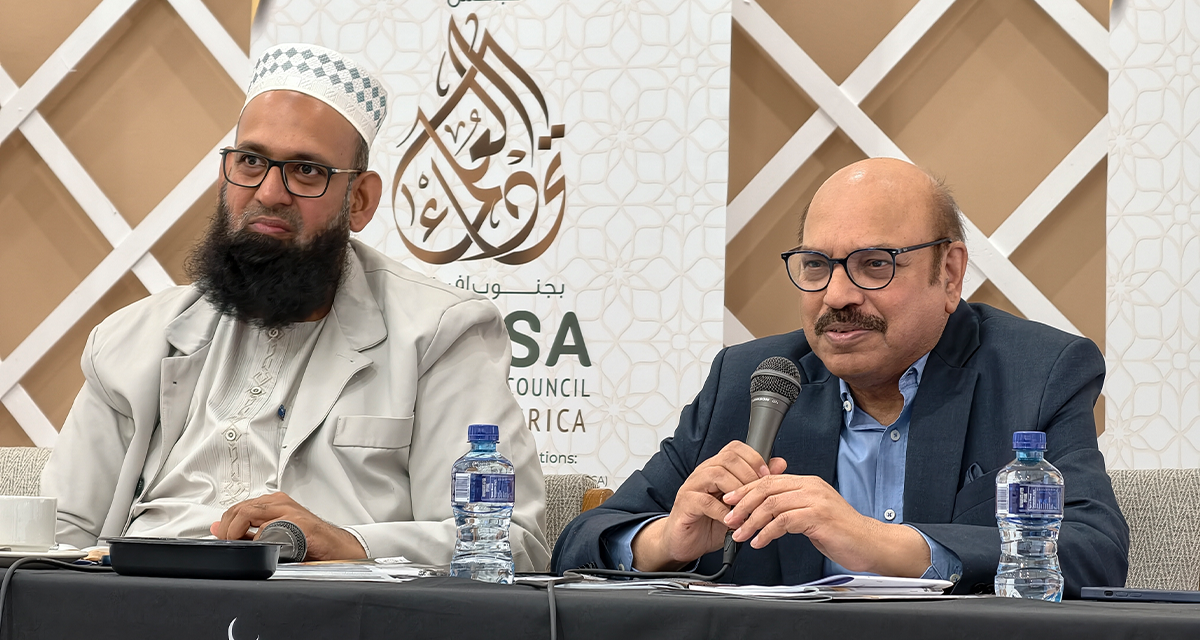
Rather than focusing only on elections, Muslim leaders are building a long-term civic strategy to strengthen accountability, influence policy and confront inequality. The initiative aims to transform community advocacy into structured civic power.
By SAYED RIDHWAAN MOHAMED
South Africa’s upcoming local government election on November 4 has placed the nation’s political and civic future under sharp scrutiny, prompting communities to re-evaluate their long-term democratic leverage in an increasingly volatile coalition era.
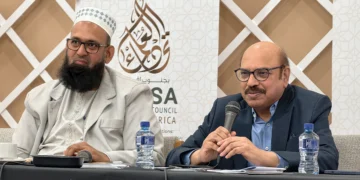
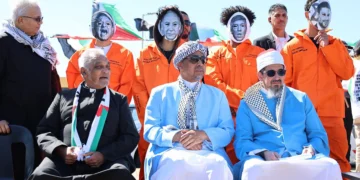
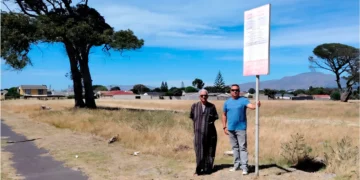
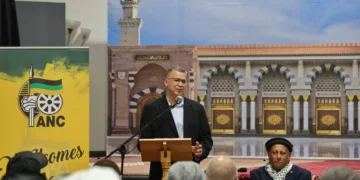
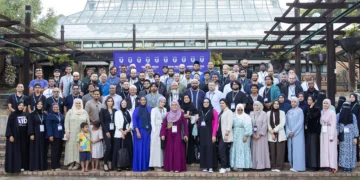
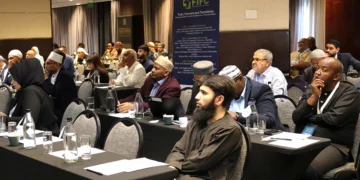
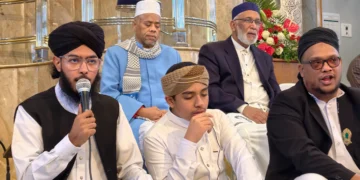
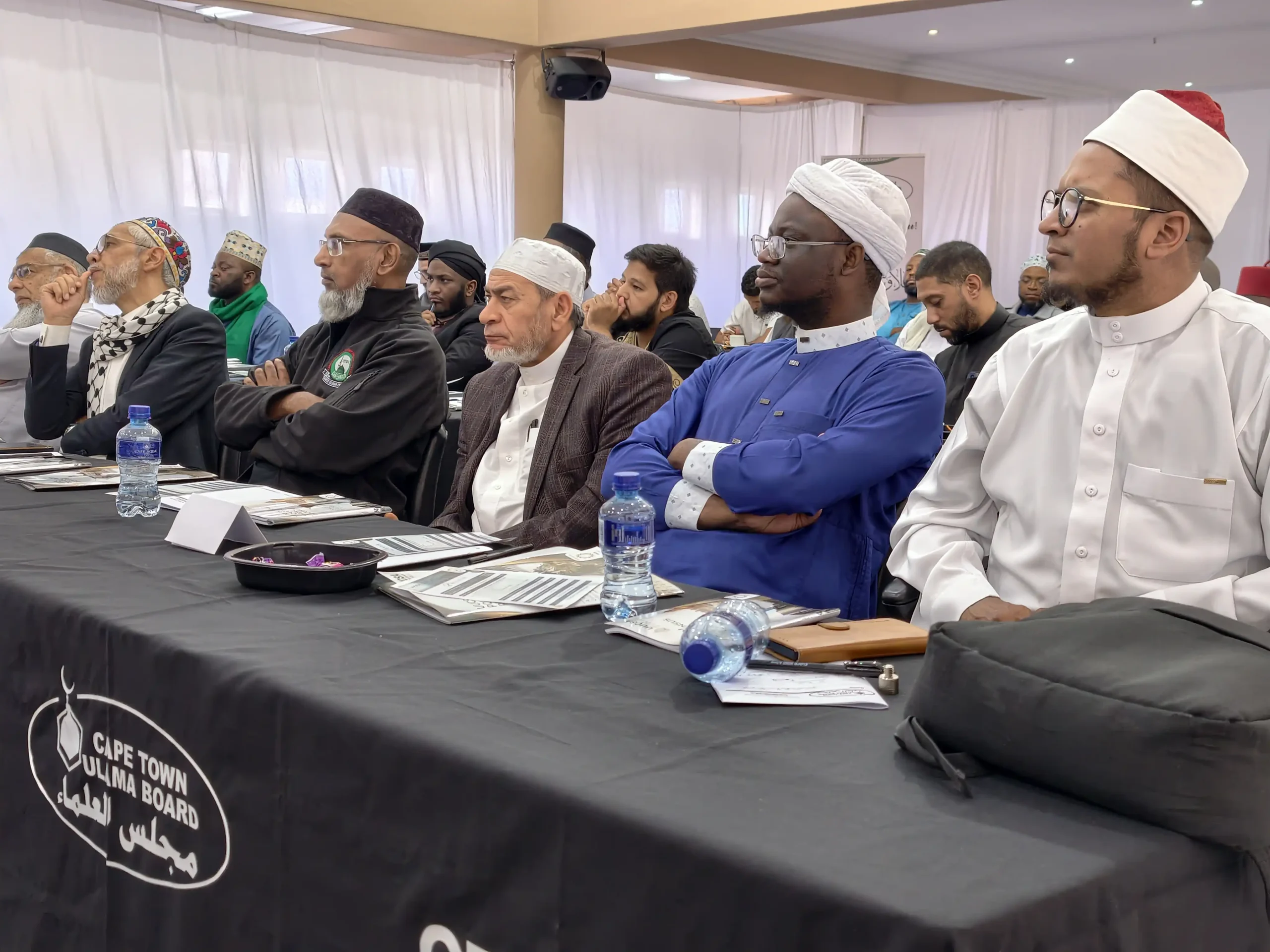
Senior Islamic scholars, legal figures and community representatives gathered at the Cape Town Ulama Board headquarters in Eagle Park on Sunday November 1 for a national report-back session convened by the United Ulama Council of South Africa (UUCSA) and its civic advocacy vehicle, the J Fund UUCSA Political Strategy Committee.
Rather than treating the looming electoral contest as an end goal, the assembly served as an interim progress review of an ongoing, multi-year campaign aimed at transitioning South Africa’s Muslim minority from reactive political posturing into a permanent, structured civic force projected towards the 2029 national elections and beyond.
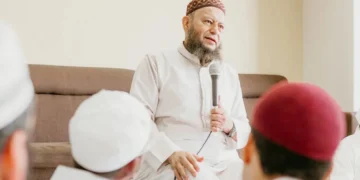
Delivering the executive review, host Moulana Sulaimaan Ravat traced the project’s genesis to the aftermath of South Africa’s historic 2024 general elections. The resulting shift to national coalition governance had laid bare institutional vulnerabilities across the Muslim community, including diminished Cabinet representation, a loss of traditional political access channels and the absence of a cohesive, long-term advocacy agenda.
To avoid the prolonged timeline required to establish, fund and brand an independent body, an assembly in November 2024 resolved to anchor the initiative under UUCSA’s established nationwide footprint. Organisers simultaneously registered the J Fund, establishing a tripartite directorship spanning religious scholars, civil society and the private sector.
Reviewing the milestones of the past two years, Moulana Ravat detailed the rollout of a six-month national community survey that documented grassroots socio-economic realities across provincial lines. The findings fed directly into the formulation of the Muslim Civic Consensus Document, which articulated policy positions not only on minority concerns and foreign policy, but also on systemic national issues, including youth unemployment, public housing, municipal service delivery and the harms of online gambling.
You may also want to read



The policy blueprint was subsequently presented to six major political parties during a closed-door, three-day summit at Lakewood Estate in Johannesburg. In parallel, UUCSA partnered with the Electoral Commission of South Africa (IEC) on a nationwide voter registration drive, later releasing an objective, non-prescriptive Political Party Report Card assessing parliamentary voting records without issuing religious voting edicts.
Moulana Ravat also shared international feedback from former UK Foreign Office minister Baroness Sayeeda Warsi, who observed at the recent Concordia Summit that South Africa’s Muslim leadership possessed greater institutional capacity than its British counterpart due to representative bodies like UUCSA.
Emphasising that “this is a marathon; it’s not a sprint,” Moulana Ravat stressed that civic work cannot collapse between electoral cycles, announcing an upcoming national symposium on Islamophobia scheduled for later this month in Johannesburg.

From strategy to implementation
Political analyst Fazlin Fransman-Taliep outlined how conceptual goals were translated into an ongoing project matrix tracking timelines, outreach benchmarks and resource allocation. She detailed the committee’s four-pillar framework designed to confront institutionalised bias: proactive media engagement, strategic litigation, empirical incident reporting and sustained legislative lobbying.
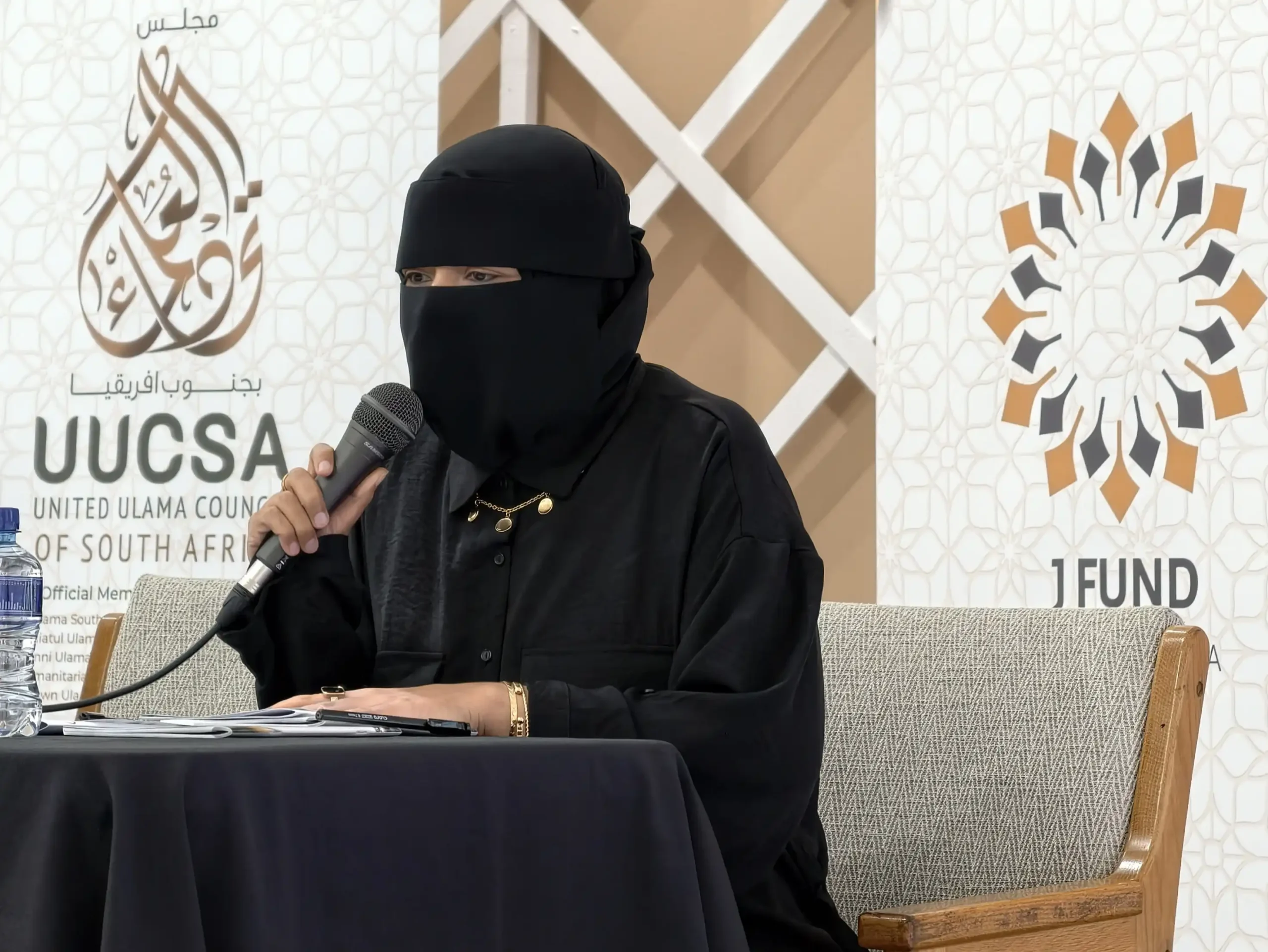
The technological front of the initiative was outlined by Muhammad Cajee, who presented findings from an independent investigation conducted by intelligence research firm Murmur. The study evaluated Generative Engine Optimisation (GEO) across six major artificial intelligence platforms, revealing that while AI engines positively indexed South African Muslim heritage and humanitarian efforts, with Gift of the Givers securing 36% of top-of-mind mentions, negative associations with extremism persisted.
Cajee noted that AI models rely on accessible web text rather than static PDF files, urging community institutions to modernise their digital data architecture.
He further warned of demographic divergence, noting that while older “critical democrats” maintained favourable views of Muslim civic engagement, younger cohorts showed increased vulnerability to online polarisation. Platform X was identified as the primary vector for imported far-right rhetoric and automated bot campaigns targeting the community.
Shabir Chohan, a director of the J Fund, recounted the grassroots origins of the Political Strategy Committee, recalling how a modest seed pledge in late 2024 catalysed R40 000 in immediate commitments to underwrite the initiative. Chohan highlighted the agility of these community networks, citing an instance where J Fund liaisons coordinated with the Islamic Medical Association (IMA) to secure alternative voter registration venues after disruptions in Sherwood, Durban.

Justice, unity and civic accountability
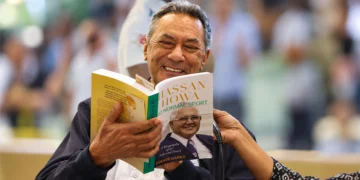
The keynote address was delivered by distinguished jurist and former Western Cape High Court judge Siraj Desai. Drawing on his formative years in Salt River and Bo-Kaap, Judge Desai offered a candid critique of contemporary liberal democracy, arguing that Western establishments frequently employ double standards on international law and human rights, particularly regarding Gaza.
Drawing on his travels to Tehran, Judge Desai pointed to the Islamic Republic of Iran as an alternative socio-political developmental model that sustained an educated, technologically capable civil society despite more than three decades of severe foreign sanctions. He cautioned strongly against domestic sectarian fragmentation, recounting his attendance at a memorial service for assassinated Hezbollah leader Hassan Nasrallah at a local Shia mosque as an act of principled internationalism and Islamic solidarity.
Turning to the domestic legal landscape, Judge Desai warned that South Africa’s constitutional order cannot endure indefinitely if staggering economic inequality remains unresolved. Drawing from his 25 years on the Bench, he described “lawfare” as a high-risk, cost-prohibitive mechanism, advising community organisations to establish a dedicated Legal Defence Fund anchored by trusted advocates rather than relying on commercial fee structures.
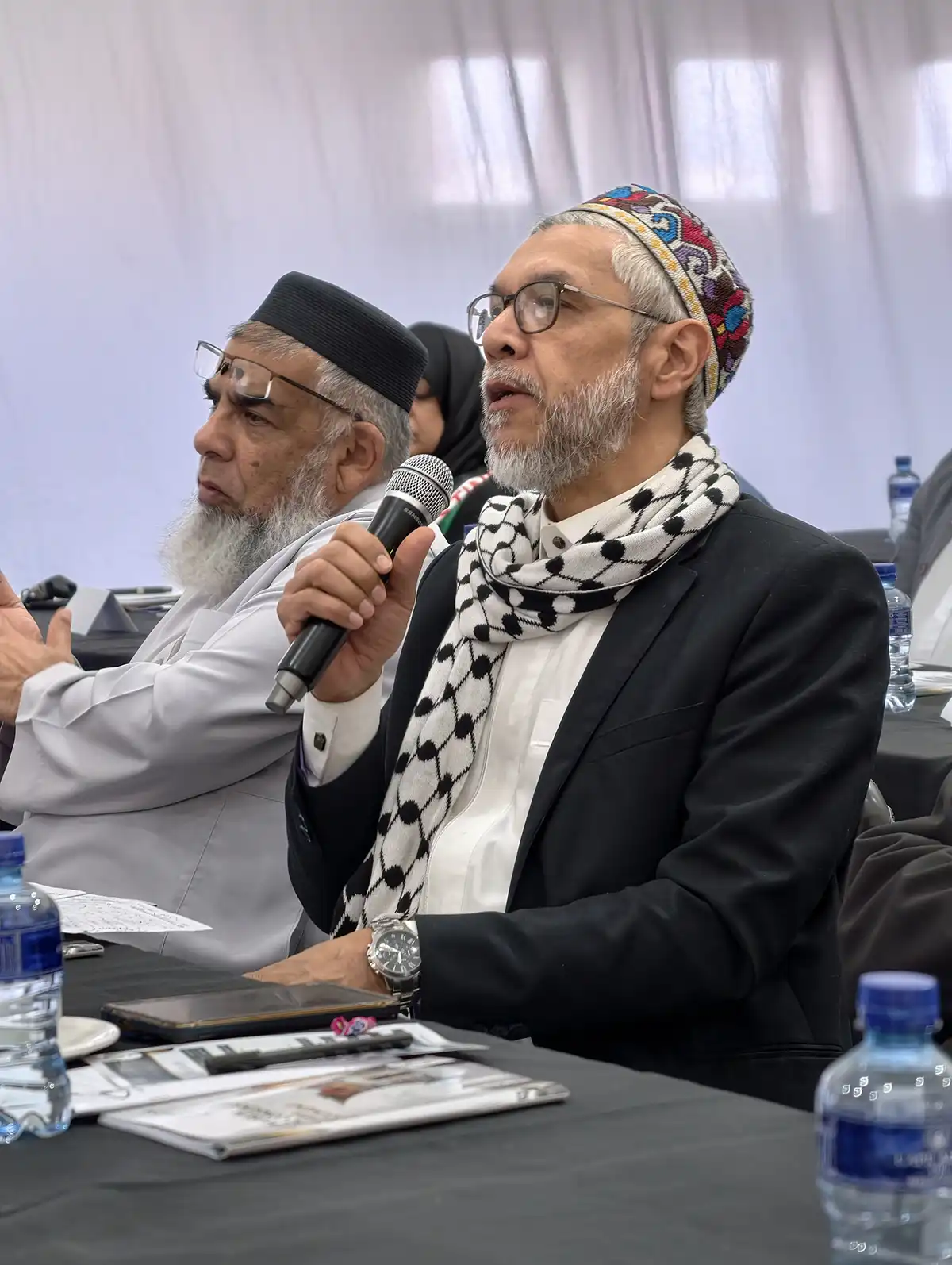
During the floor discussion, Shaikh Ighsaan Taliep of the Cape Town Ulama Board synthesised the moral imperatives of civic leadership.
Recalling the Prophetic tradition of countering hostility with magnanimity, Shaikh Taliep cited Habib Ali al-Jifri’s thesis of “humanity before religious affiliation” (al-insāniyyah qabla at-tadayyun) to argue that universal dignity must precede narrow sectarian identities.
He closed by referencing Ibn Taymiyyah’s classical maxim: “God assists the just state even if it is non-believing and does not assist the unjust state even if it is Muslim,” framing public advocacy as a universal struggle for common justice.
Looking beyond the election cycle
Looking ahead, the UUCSA Political Strategy Committee made clear that its focus extends well beyond the current electoral moment, outlining an ambitious framework of continuity designed to embed ongoing civic accountability over the next five years.
The leadership detailed plans to institutionalise regular, structured policy reviews with parliamentary parties every three to six months, establish permanent monitoring mechanisms for municipal governance and service delivery, expand active parliamentary liaison work on white papers and committee hearings, and build an enduring, community-backed legal defence apparatus capable of confronting systemic discrimination and defending constitutional rights.
By establishing a permanent civil society infrastructure that operates continuously between elections, the initiative aims to ensure the South African Muslim community remains an engaged, principled contributor to national stability, social justice and systemic reform across all sectors of society.
- Images: Ahlus Sunnah Media Network and CTIEC Media
Shaikh Sayed Ridhwaan Mohamed is a South African community journalist, researcher and Honours graduate in Islamic Studies. A steadfast advocate for humanitarian rights and global justice, he lends his expertise to numerous committees specialising in interfaith advocacy and the advocacy of human rights in Palestine and beyond. He currently serves on the executive committee of the Cape Town Ulama Board, is an executive member of the Sunni Ulama Council (Cape), and co-founder of the Ahlus Sunnah Media Network.