


![Does ta’wīl mean interpretation or fulfilment? A Quranic reassessment [+video]](https://muslimviews.co.za/wp-content/uploads/2026/10/Tawil-Kaskas-360x180.webp)








![Why becoming a wealthy Muslim is commendable in Islam [+videos]](https://muslimviews.co.za/wp-content/uploads/2026/09/Muslim-Trade-Business-1-360x180.webp)



If this dialogue is any indication, the youth are ready. All they need is for us to believe in them, says the IMAM GASSAN SOLOMON FOUNDATION.
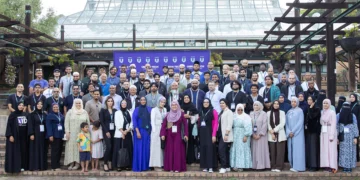
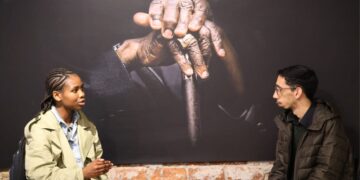
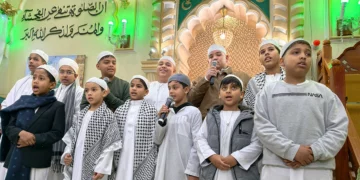
The Foundation calls for the voices of the youth not to be an echo of the past, but a resonant call of today. A vibrant and deeply engaging youth programme was hosted by the Foundation, bringing together 45 high school students from across Cape Town and the Cape Flats.
The event, proudly represented by ten schools, was held at South Peninsula High – alma mater of the late Imam Gassan Solomon – on August 2. The gathering created a rare and necessary space for young people to reflect on identity, justice, and ethical living.
The day formed part of an ongoing collaboration between the IGSF and the Dialogue, Democracy and Development (DDD) project at Stellenbosch University. These institutional partnerships – between grassroots community organisations and academic initiatives – are central to how we create sustainable, values-driven, and community-rooted social interventions.
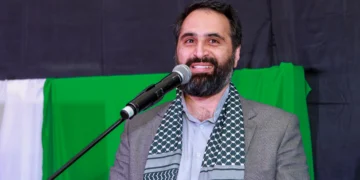
The programme was directed by Ahmad Solomon, whose soft yet assured leadership held the day together with clarity and care. From the opening to the closing session, Solomon ensured that student voices remained at the centre, setting the tone for a day of deep listening, honesty, and exchange.
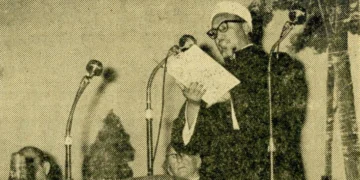
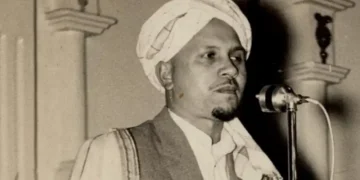
The programme opened with a framing address by Professor Aslam Fataar, who introduced the Madinah Charter of the Prophet Muhammad ﷺ, drawing powerful parallels between its vision of pluralism and justice and the enduring legacy of Imam Gassan Solomon. His message invited youth – regardless of faith tradition – to consider how shared ethical frameworks can guide collective action in the face of modern-day injustices.
The remainder of the day was devoted to student-led sessions, covering themes of identity, belonging, inequality, and lived experience. These were not lectures or passive panels; rather, they pulsed with life – animated by questions, stories, challenges, and shared hopes.
Students engaged each other with honesty and insight, sharing experiences of navigating race, class, faith, and gender in often unsupportive environments. Many reflected on the tension between inherited beliefs and everyday realities. Others found strength in friendships, family, and education – sources of meaning in a fractured world.
What made the programme so impactful was its relational depth. Through thoughtful facilitation, warm hospitality, and good food, a space of care and mutual respect emerged. Students were not just ‘heard’; they were invited to shape the very conversations they were part of. Attentive adult mentors – many of whom were educators, professionals, and community leaders –provided grounding without overshadowing the student-led nature of the event.
As the day closed, the final session allowed participants to reflect and propose their next steps as they embodied the spark that can begin to restore, rebuild, and reignite. Many spoke about how empowering it was to be taken seriously – not as leaders of the future but as leaders of now. The dialogue left them energised, connected, and committed to continuing these conversations in their schools and communities.
Beyond the day: A call to broader responsibility
To those not in the room, especially those rooted in the 80’s: this moment is also your moment.
The unjust laws may have fallen, but the lived legacy of inequality remains – visible in the cracks of unequal education, healthcare, sanitation, and opportunity. Intergenerational trauma, poverty, and struggle persist, and they will not be solved by policy alone.
What we need are social interventions like this one – programmes that create safe, thoughtful, and collaborative spaces for youth to articulate who they are and what they hope to change. Spaces that allow us to weave together the social fabric of our beautiful land, its people and its cultures.
This dialogue was not the work of one organisation. It was the result of partnerships and a legacy left behind:
You may also want to read


- Between IGSF (Imam Gassan Solomon Foundation) and Stellenbosch University.
- Between networks of professionals, educators, and volunteers.
- Between board members, committees, and on-the-ground facilitators.
- Between schools and communities who opened their doors and hearts to make this possible. Thank you to the leadership at South Peninsula High School.
It is also the result of champions – people who believe deeply in the potential of young people and the urgent need to support their growth. These champions are the teachers, principals, business owners, or former activists – many of whom once fought for freedom and now find themselves in positions of influence. Thank you for funding this workshop.
So, we ask: What is your role now?
If you’re in business, in leadership, in education, in civil society – we need your support:
- Sponsor a seat. Fund a table. Share your network.
- Help us create more spaces like this. Not as charity, but as justice. Not as a favour, but as an investment in our collective future.
If this dialogue is any indication, the youth are ready. All they need is for us to believe in them – as Imam Gassan Solomon once did. Let their voices not be an echo of the past, but the resonant call of our present.
To offer your support, or to find out more about the initiative of the Foundation, e-mail: info@igsfoundation.org.za
Report by the Imam Gassan Solomon Foundation