








![Does ta’wīl mean interpretation or fulfilment? A Quranic reassessment [+video]](https://muslimviews.co.za/wp-content/uploads/2026/10/Tawil-Kaskas-360x180.webp)














![Why becoming a wealthy Muslim is commendable in Islam [+videos]](https://muslimviews.co.za/wp-content/uploads/2026/09/Muslim-Trade-Business-1-360x180.webp)

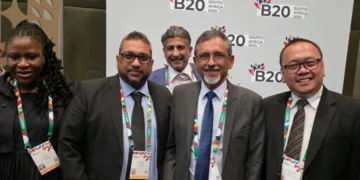



PROFESSOR ASLAM FATAAR reflects on qalb salīm, the sound heart, and its call to hospitality, justice and solidarity in a divided South Africa. Drawing on the Qurʾān, Prophetic teachings and Cape Muslim history, he urges communities to welcome migrants, resist xenophobia and turn strangers into neighbours.
This article is based on a khutbah delivered by Professor Aslam Fataar at Masjidul Quds, Gatesville, on July 24, 2026.
We live in a world of strangers. People occupy the same streets, workplaces and places of worship, yet remain unknown to one another. Neighbours share walls but seldom speak. Communities are divided by race, religion, nationality, class and political identity.
South Africa’s severe inequality deepens this distance. Migrants and refugees are increasingly spoken of as threats. Poor people are treated as burdens. Public frustration about unemployment, housing, crime and failing services is redirected towards those with the least power. The tragedy of our time is not that strangers exist. It is that neighbours, near and far, have become strangers, and many hearts have grown comfortable with this condition.
The Qurʾān directs us to where this distance begins. Allah describes the final measure of human life through the image of the qalb salīm: ‘The Day when neither wealth nor children will benefit anyone, except the one who comes to Allah with a sound heart.’ (Sura Ash-Shu’ara, 26:88–89)
The qalb salīm is not withdrawn from the world. It is the moral centre from which proper relations, just action and social responsibility flow.
The sound heart
The qalb salīm recognises Allah, responds to truth, knows its own neediness and honours the dignity of others. A diseased heart sees people through status, usefulness or group belonging. It asks: Are you one of us? A sound heart asks: How may I honour the humanity Allah has placed before me?
The Prophet Muḥammad ﷺ taught that there is a piece of flesh in the body which, when sound, makes the whole body sound and, when corrupted, makes the whole body corrupt. ‘Truly, it is the heart.’ (Ṣaḥīḥ al-Bukhārī and Ṣaḥīḥ Muslim)
The condition of the heart shapes the condition of the world. Fearful hearts produce suspicion. Arrogant hearts produce contempt. Hardened hearts accept cruelty. Sound hearts make a society capable of mercy, justice, hospitality and trust.
Imām al-Ghazālī reminds us in his Mīzān al-ʿAmal, or The Criterion of Action, that moral life requires the ordering of the self. Reason, desire and anger must be disciplined and brought into a harmonious moral order under the guidance of revelation. When the nafs dominates, we divide the world into insiders and outsiders, protect our comfort and push away those whose presence unsettles us.
This inner disorder also takes public form. Greed becomes an economy that rewards accumulation while communities remain hungry. Fear becomes xenophobic politics. Arrogance becomes racial domination, class hierarchy and gender injustice. Indifference accepts overcrowded schools, unsafe settlements and inadequate healthcare as permanent features of poor people’s lives.
A sound heart, therefore, involves more than private goodness. It gives us the clarity to recognise injustice and the courage to challenge it.
Turning strangers into neighbours
The Prophet ﷺ entered a society organised around tribe, lineage, wealth and power. Orphans were vulnerable, enslaved people were dehumanised, women were denied dignity and outsiders lacked protection. The Prophetic message fundamentally challenged and began to transform this moral order. Nobility rested on taqwā, not ancestry. The orphan had to be protected, the poor treated with dignity and the stranger welcomed.
The Prophet ﷺ embodied revelation in the way he greeted, listened to and restored dignity to people whom society ignored. This is the Prophetic ethic of iḥsān. The Prophet ﷺ said: ‘Indeed, Allah has prescribed iḥsān in all things.’ (Ṣaḥīḥ Muslim)
You may also want to read


Iḥsān shapes how we speak, disagree, assist and forgive. It means offering dignity before demanding an explanation and giving support without humiliation.
One of Islam’s most beautiful ways of overcoming strangerhood is ḍiyāfah, hospitality. It begins by opening the heart before opening the door. It creates a space in which another person feels: I am seen, I am safe and I need not remain a stranger here.
Allah praises the Anṣār of Madīnah for welcoming the Muhājirūn and extending hospitality to them even while they themselves were in need. (Sura Al Hashr, 59:9) The migrants had lost their homes, security and livelihoods. The Anṣār received them as brothers and sisters. Their sound hearts generated material solidarity.
Muslim memory also contains an earlier African story of refuge. During the first migration, persecuted Muslims crossed the Red Sea to Abyssinia. Al-Najāshī, the Christian ruler, listened to their case and granted them protection within a plural society. This foundational memory should shape Muslim responses to African migrants, refugees and displaced people today.
The Qurʾān connects worship directly to kindness towards others: ‘Worship Allah and associate nothing with Him, and show iḥsān to parents, relatives, orphans, the needy, the close neighbour and the distant neighbour.’ (Sura An Nisa, 4:36)
Tawḥīd naturally extends into caring for others. Prayer should bear fruit in acts of compassion. Faith entails a duty not only towards those like us but also towards those unlike us.
A Cape inheritance of belonging
Cape Muslim history developed through slavery, exile, forced migration and colonial violence. Our forebears arrived under harsh conditions, yet built communities of belonging. They preserved the Qurʾān, established schools, welcomed travellers and cared for the poor. Women carried much of this inheritance through teaching, storytelling, food, prayer and everyday care.
Many of us who grew up on the Cape Flats remember hardship, overcrowding and apartheid displacement. We also remember beauty. Neighbours carried plates of food across the road. People visited the sick after Maghrib. Despite hardship, doors were often open because hearts remained open. Children learnt Islam by watching adults care for the grieving, protect the vulnerable and make room for those who had arrived.
This neighbourliness remains an important moral resource, but it cannot substitute for structural justice. Community care alone cannot provide dignified work, decent housing, quality education, safe transport, a corruption-free police service and capable public institutions.
A sound heart should move us to feed hungry families and challenge the conditions that produce hunger. It should move us to welcome migrants and oppose the politics that scapegoat them as convenient enemies.
From compassion to responsibility
The Prophet ﷺ advised: ‘Be in this world as though you were a stranger or a traveller.’ (Ṣaḥīḥ al-Bukhārī) He does not instruct us to make others into strangers. He reminds us that we too are strangers and travellers, guests of Allah who own nothing permanently and depend upon relationships of care.
When we recognise ourselves in the stranger, suspicion can give way to compassion, distance to solidarity and fear to hospitality. The stranger becomes a neighbour and part of our moral responsibility before Allah.
This work begins in ordinary places. Learn the name of the neighbour you have never greeted. Welcome the newcomer to the mosque. Visit someone who is alone. Speak respectfully to the worker whom others pass without noticing.
It then grows into public responsibility: challenging xenophobic rhetoric, resisting corruption, supporting capable governance and insisting that law and policy protect every person’s dignity.
South Africa, Africa and the world need sound hearts and courageous citizens. Let us greet before we judge, listen before we accuse and welcome before we exclude. Let us build homes, mosques and communities in which no one remains invisible.
The qalb salīm is the moral centre from which justice begins. In a world of strangers, it calls us to turn compassion into solidarity, hospitality into social responsibility and faith into the shared work of building a dignified life.
Aslam Fataar is Research Professor in Higher Education Transformation at Stellenbosch University. His work focuses on higher education, artificial intelligence and the public good. He also directs the Dialogue, Democracy and Development project, a university-based initiative that advances dialogue, social justice and university-community partnerships.