























![The market-builder who restrained the market [Part 2]](https://muslimviews.co.za/wp-content/uploads/2026/08/PHOTO-2026-08-25-17-16-32-360x180.jpg)
![The merchant preceding the Prophetic mission [Part 1]](https://muslimviews.co.za/wp-content/uploads/2026/08/01-360x180.jpg)









Long before Africa’s independence era, the Rif Republic challenged Spanish and French colonial rule in northern Morocco. Its anti-colonial struggle, institutions and defence of Amazigh dignity still shape debates on freedom and identity.
By SHABODIEN ROOMANAY
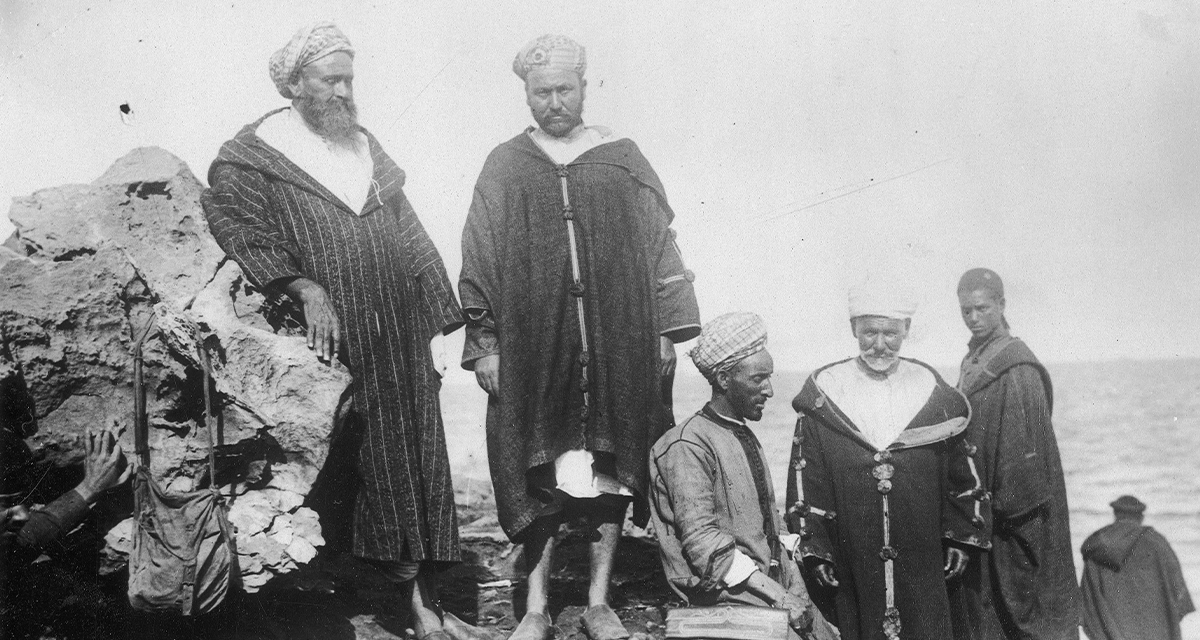
Ever heard of the Rif Republic? The Riffians? No? Well, most people do not know, remember or even care about the Rif Republic. What we do know is that history often remembers the victors and forgets the visionaries who dared to challenge empire before their time. Among the most neglected chapters of Africa’s liberation history is the story of the Rif Republic, a short-lived but profoundly significant state born in the mountains of northern Morocco in the early 20th century.
Long before the wave of African independence movements transformed the continent, the people of the Rif had already articulated, fought for, and briefly established their own sovereign republic. Their struggle was not only against foreign occupation but also for dignity, identity and the right of a people to govern themselves. Today, in an age where questions of self-determination, indigenous identity and regional autonomy continue to reverberate globally, the story of the Rif Republic deserves renewed attention.
A republic born in resistance
The Rif region, located in northern Morocco along the Mediterranean coast, has historically been home largely to Amazigh communities, especially Tarifit-speaking Riffians, whose social and political traditions were shaped by tribal autonomy and a fierce sense of independence. When Morocco was partitioned into French and Spanish zones of control in the early 1900s, the Rif fell under Spanish colonial occupation. What followed was a classic imperial project: military expansion, administrative control and economic extraction.
But the people of the mountains refused submission. Under the remarkable leadership of Muhammad ibn Abd al-Karim al-Khattabi (Abd el-Krim), local resistance transformed into one of the most sophisticated anti-colonial movements of its era. In 1921, Abd el-Krim’s forces inflicted a devastating defeat on Spain at the Battle of Annual, where between 8,000 and 10,000 Spanish troops were killed in what remains one of colonial Europe’s worst military disasters in Africa. This victory was more than a military triumph; it was a political birth. The Republic of the Rif emerged from that moment: a confederal republic with its capital at Ajdir, complete with a cabinet, representative structures, tax systems, military command, courts and diplomatic aspirations. It was arguably one of Africa’s earliest modern republics built explicitly on anti-colonial principles.
Ahead of its time
What makes the Rif Republic extraordinary is that it anticipated the language and structure of later liberation movements by decades. Abd el-Krim did not merely lead an insurgency. He built institutions. He unified tribes often divided by local loyalties, introduced centralised administration and established legal and military structures that turned fragmented resistance into national purpose.
In many respects, the Rif became a prototype for later guerrilla struggles across the world. The tactics used in the Rif War — mobility, terrain-based warfare, decentralised command and popular legitimacy — would later become central to anti-colonial struggles from Algeria to Vietnam. The mountains of the Rif became a classroom in revolutionary strategy.
Empire’s ruthless response
You may also want to read


The greatest fear of empire is not rebellion itself, but successful rebellion. Once France recognised that Spain alone could not crush the movement, the two colonial powers forged a joint military alliance against the fledgling republic.
What followed was a brutal campaign marked by overwhelming troop numbers, aerial bombardment and one of the darkest stains in colonial warfare: the widespread use of chemical weapons. Spanish forces deployed mustard gas and other chemical agents against both fighters and civilian populations in the Rif — among the earliest aerial chemical attacks in modern warfare. This was not merely a war of conquest. It was a warning from empire to all colonised peoples: independence would come at immense human cost. By 1926, overwhelmed by Franco-Spanish military superiority, Abd el-Krim surrendered. The republic was dismantled. But the idea it represented survived.
Why the Rif Republic still matters
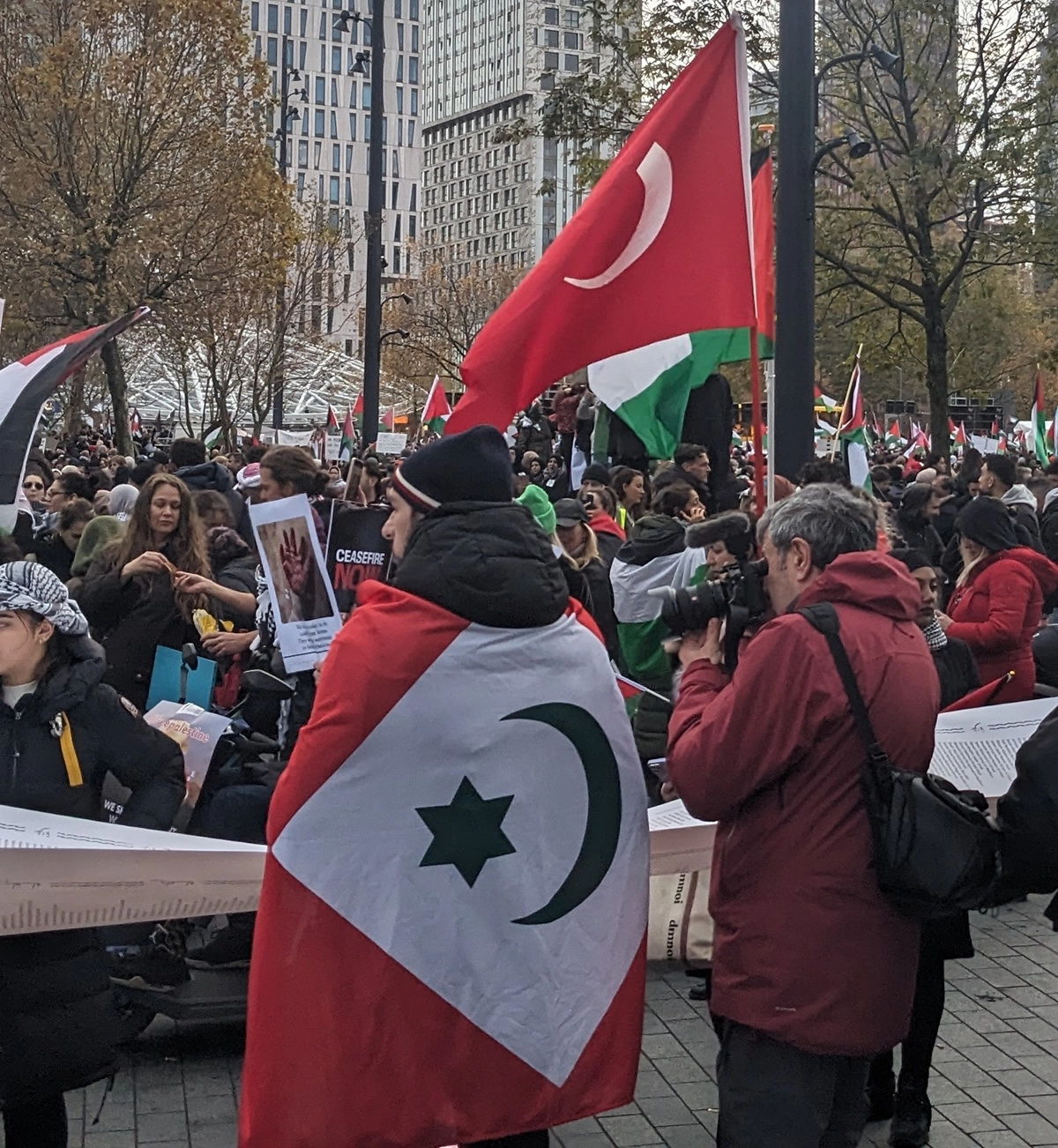
The tragedy of the Rif Republic is not only that it was crushed. It is that it has been forgotten. The global narrative of anti-colonial resistance often begins with post-World War II independence struggles, yet the Rif preceded many of them. It demonstrated that African and Amazigh political modernity did not need European permission. It emerged organically from local histories, cultures and political traditions. For North Africa, the Rif remains deeply symbolic. It continues to shape debates around Amazigh identity, regional marginalisation and historical memory in Morocco and beyond. The more recent Hirak protest movements in the Rif have echoed long-standing grievances around exclusion, underdevelopment and political recognition, reminding us that the ghosts of history never fully disappear.
A lesson for our age
In an era where communities across the world are reasserting questions of identity, belonging and sovereignty, the Rif Republic offers a profound lesson. Freedom movements do not begin in conference halls. They begin where people refuse humiliation. Sometimes in the streets. Sometimes in universities. And sometimes in mountains. The Rif Republic lasted only a few years, but its moral force endures.
It stands as one of North Africa’s earliest declarations that colonised people were not subjects to be ruled, but nations capable of ruling themselves. That history deserves more than a footnote. It deserves remembrance.