







![Does ta’wīl mean interpretation or fulfilment? A Quranic reassessment [+video]](https://muslimviews.co.za/wp-content/uploads/2026/10/Tawil-Kaskas-360x180.webp)










![Why becoming a wealthy Muslim is commendable in Islam [+videos]](https://muslimviews.co.za/wp-content/uploads/2026/09/Muslim-Trade-Business-1-360x180.webp)

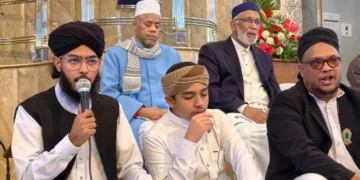
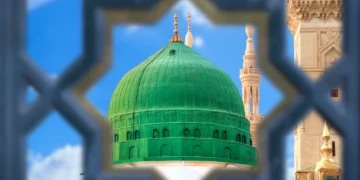
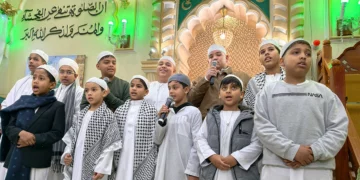


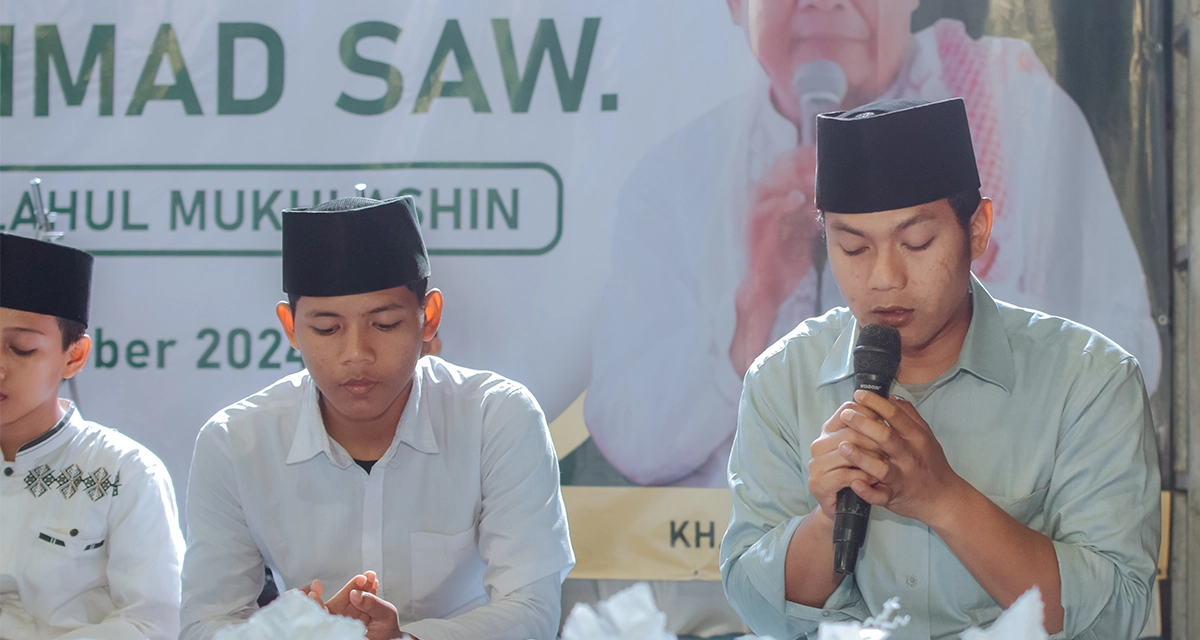

As Rabi-ul-Awwal begins, Moulood-un-Nabi renews devotion through qasa’id, salawat and shared gatherings, while calling Muslims to embody mercy, tolerance, community service and courageous solidarity with oppressed communities today.
By SHAYKH SAYED RIDHWAAN MOHAMED
AS the crescent of Rabi-ul-Awwal illuminates our skies, the hearts of the lovers of the Messenger of Allah ﷺ swell with profound longing and joy.
Across the world, and within the vibrant heritage of South Africa’s Muslim community, the commemoration of Moulood-un-Nabi – the birth of the Beloved Nabi ﷺ – is a cherished sanctuary. It is a sacred space where the sweet recitation of qasa’id, salawat and nasheeds fills our homes, mosques, and kramats, echoing a tradition of devotion handed down through generations.
Rising above debate: Gathering in pure mahabbah
In every era, there are those who seek to embroil the Ummah in pedantic legalistic debates, questioning the standing of celebrating the birth of the Best of Creation ﷺ. Yet, the true lovers of the Prophet ﷺ understand that Moulood-un-Nabi is not a matter for dry polemics or theological sparring. We do not need to waste our precious energy in arguments with those who oppose the Moulood. Instead, our response is simply to continue hosting these gatherings with even greater mahabbah (love), dignity, and warmth.
The great Sufi master Jalal al-Din Rumi wisely counselled: “Listen with the ears of tolerance! See through the eyes of compassion! Speak with the language of love!”
When we gather in Riyaad al-Jannah (gardens of Paradise) to remember the Messenger ﷺ, our purpose is to nurture the soul, unify our hearts, and immerse ourselves in his divine light. Let the dissenters debate; the lovers will continue to send salawat, feed the community, and spread the sweet perfume of Prophetic character.
The Prophetic blueprint of rahmah and tolerance
Allah SWT describes the Prophet Muhammad ﷺ in the Holy Quran as a universal mercy: “And We have not sent you, [O Muhammad], except as a mercy to the worlds.” (Sura Al-Anbiya, 21:107) As local scholar Moulana Muhammad Luqmaan Kagee notes in his treatise on Islamic tolerance, this divine mandate of Rahmah formed the foundation of his governance and social ethics.
True tolerance (tsamuh) in the Islamic tradition is not passive concession, but an active commitment to human dignity. When the Prophet ﷺ established the Charter of Madinah, he crafted a constitution guaranteeing freedom of belief and binding diverse communities together in mutual care and civic protection.
During his Farewell Pilgrimage (Hajjat al-Wada’), he permanently dismantled racial supremacy, declaring that no Arab is superior to a non-Arab, nor a white person over a black person, except by God-consciousness (Taqwa).
As Imam al-Ghazali famously reflected in Kimiya-yi Sa’adat, all of humanity travels together on a shared journey towards the Creator. Because our destination is the same, we are bound to one another by mutual aid, compassion, and active goodwill.
Standing against oppression: The duty of solidarity
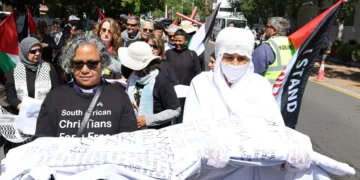
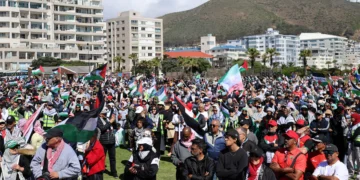
Yet, the mercy of Nabi Muhammad ﷺ was never passive in the face of tyranny. To truly honour the Moulood is to embody his courage in defending the oppressed (al-mustad’afin). Today, as our brothers and sisters in Palestine endure relentless genocide, land theft, and brutal Apartheid at the hands of Zionist oppressors, our Moulood gatherings must become centres of spiritual resistance and moral clarity.
The Prophet ﷺ taught that the believers are like a single body: when one limb suffers, the entire body responds with fever and sleeplessness. Our dhikr and salawat at Moulood-un-Nabi must fuel our active solidarity with Gaza and Al-Quds. Standing firmly against Zionist tyranny is a direct expression of our love for the Prophet ﷺ, who commanded us to stand against dhulm (oppression) wherever it manifests.
Here in South Africa, our rich anti-Apartheid history reflects this Prophetic ethos of liberation. However, our local Ummah faces rising anti-Muslim rhetoric, biased media narratives, and subtle Islamophobia from political groups seeking to delegitimise our solidarity with global justice causes.
In responding to hostile forces, the Quran instructs: “Repel evil with that which is better.” (Sura Al-Mu’minun, 23:96) We confront Islamophobia not with hostility, but by:
- Strengthening our assemblies: Continuing to fill our mosques and halls with Moulood gatherings, standing united across all cultural backgrounds.
- Living the Sunnah: Demonstrating the beauty of Islam through charity, community service, and public outreach that uplifts all South Africans.
Sustaining the sacred tradition
Let us fill this Rabi-ul-Awwal with the sounds of praise and the aroma of shared meals. Let us pay no mind to those who wish to diminish our joy but rather open our doors wider to welcome young and old, neighbours and strangers.
By steadfastly hosting our Mouloods with love, standing bravely against Zionist oppression, and embodying Prophetic tolerance, we honour the Messenger of Allah ﷺ in the most profound way – becoming living vessels of his enduring light.
Sayed Ridhwaan Mohamed is a South African community journalist, researcher and Honours graduate in Islamic Studies. A steadfast advocate for humanitarian rights and global justice, he lends his expertise to numerous committees specialising in interfaith advocacy and the advocacy of human rights in Palestine and beyond. He currently serves on the executive committee of the Cape Town Ulama Board, is an Executive Member of the Sunni Ulama Council (Cape), and is co-founder of the Ahlus Sunnah Media Network.
- This article was first published in the August 14, 2026 print edition of Muslim Views.
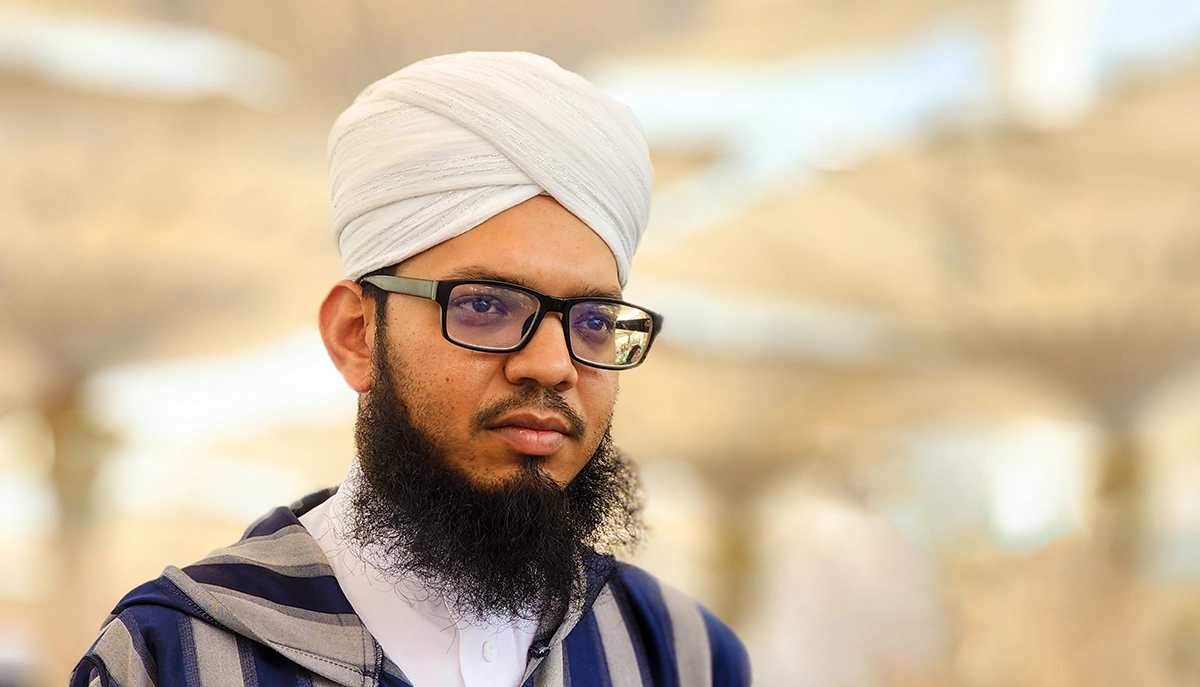
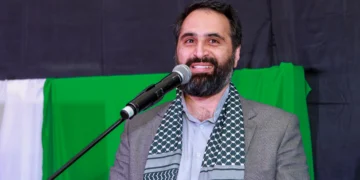
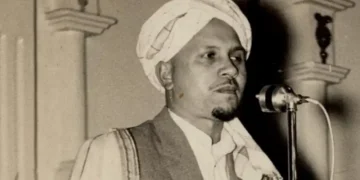
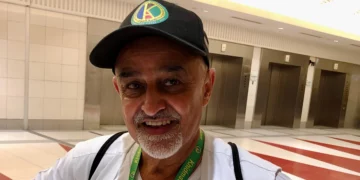
Shaykh Sayed Ridhwaan Mohamed (Photo: Ahlus Sunnah Media Network)
You may also want to read