



![Does ta’wīl mean interpretation or fulfilment? A Quranic reassessment [+video]](https://muslimviews.co.za/wp-content/uploads/2026/10/Tawil-Kaskas-360x180.webp)











![Why becoming a wealthy Muslim is commendable in Islam [+videos]](https://muslimviews.co.za/wp-content/uploads/2026/09/Muslim-Trade-Business-1-360x180.webp)




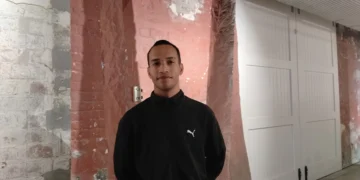
Nineteen-year-old Cape Town fencer Ruqaya Ismail has earned selection for South Africa at the 2026 Commonwealth Fencing Championships in Nigeria. She is now raising funds to fulfil her dream of competing on the international stage.
By YASEEN BARDIEN
Ruqaya Ismail has been selected to represent South Africa at the 2026 Senior and Veteran Commonwealth Fencing Championships.
The tournament will take place between August 9 and 19, 2026, in Lagos, Nigeria. It marks the first time Africa will host the senior championships.
The championships will include senior, veteran, U23 and wheelchair events. Ismail will compete in the U23 and senior women’s foil individual events, as well as the team event.
To her, foil fencing is like ‘physical chess’. The 19-year-old hafith-ul-Quran began fencing only three years ago after being introduced to the sport through an outreach programme at her school, Al-Azhar High School.
Initially, due to an oversight, she was not included in the list of interested learners. Ismail took matters into her own hands by staying behind after school and, while they were practising, approached a coach and asked if she could take part.
‘As soon as I picked up that blade, that was enough for me,’ she said.
From there, she committed herself to fencing. Ismail said she often trained after school while other learners went home. Over time, she became the only learner from her school to remain involved in fencing.
She said athletes in South African fencing often have to find their own funding, with limited financial assistance available through sporting structures.
The journey was not without its challenges. She travelled from Goodwood, where she lives, to Gardens in Cape Town for training sessions at Blues Fencing Club, which develops fencers who go on to represent South Africa. The cost of training placed a significant financial strain on her family. Uber was their main means of travelling to and from the club, costing between R100 and R150 per trip. Her mother also worked additional jobs to support her training.
‘She scrubbed people’s toilets for me to get extra money to go to the club and get my lessons,’ she said.
Ismail is still raising funds to cover expenses for the tournament. She estimates that she needs about R35 000 to cover the remaining costs, such as entry fees, transport and mandatory FIE-standard equipment.
She said athletes in South African fencing often have to find their own funding, with limited financial assistance available through sporting structures.
Her first coach was Alexander Collings, who identified her potential through the outreach programme. She is currently coached by Albert Milani.
At times, she questioned whether she was improving.
‘I always fenced against people who were better than me,’ she said. ‘I would get on the piste and get squashed, then get on the next one and get squashed again.’
Ismail credits both her mother and coaches for helping her persist.
She said selection for the team was based on rankings across national competitions, and that she and a teammate closely monitored the rankings, knowing that strong results would secure their place on the plane to Nigeria.
‘Before the list came out, we kind of already knew,’ she said.
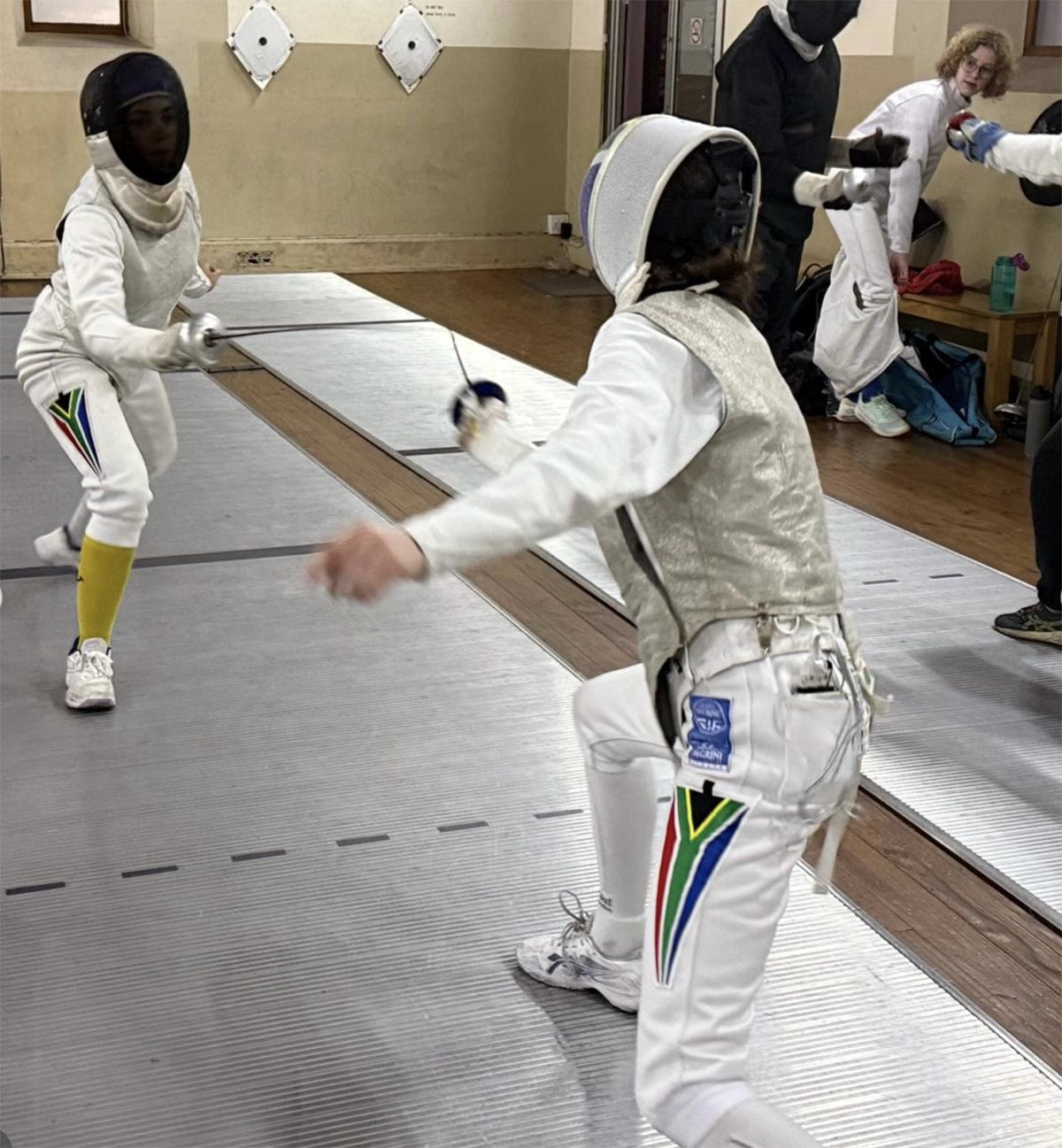
This will be her first international competition.
Patrick Collings, founder of Blues Fencing Club, said Ismail earned her place in the national squad through her performances in domestic competition.
‘Ruqaya shows great potential as a fencer and has done well in domestic competitions to earn her selection,’ he said.
You may also want to read




He described the Commonwealth Fencing Championships as an ‘invaluable learning experience’ that will help advance her development on the international stage.
‘With adequate funding and exposure to more international competitions, I have no doubt that our fencers will achieve even greater heights,’ Collings said.
As a young Muslim woman – and hafitha – she hopes her presence will encourage greater representation in the sport and show young people from similar backgrounds that barriers are often related to access, not ability.
‘Sport is an enabler for development. If I don’t use this to develop the community or help wherever I can, then really, what am I doing?’ she said.
Contributions towards her campaign can be made via her BackaBuddy page:
https://www.backabuddy.co.za/campaign/en-garde-to-lagos-fund-my-commonwealth-journey