










![Does ta’wīl mean interpretation or fulfilment? A Quranic reassessment [+video]](https://muslimviews.co.za/wp-content/uploads/2026/10/Tawil-Kaskas-360x180.webp)




















![Why becoming a wealthy Muslim is commendable in Islam [+videos]](https://muslimviews.co.za/wp-content/uploads/2026/09/Muslim-Trade-Business-1-360x180.webp)







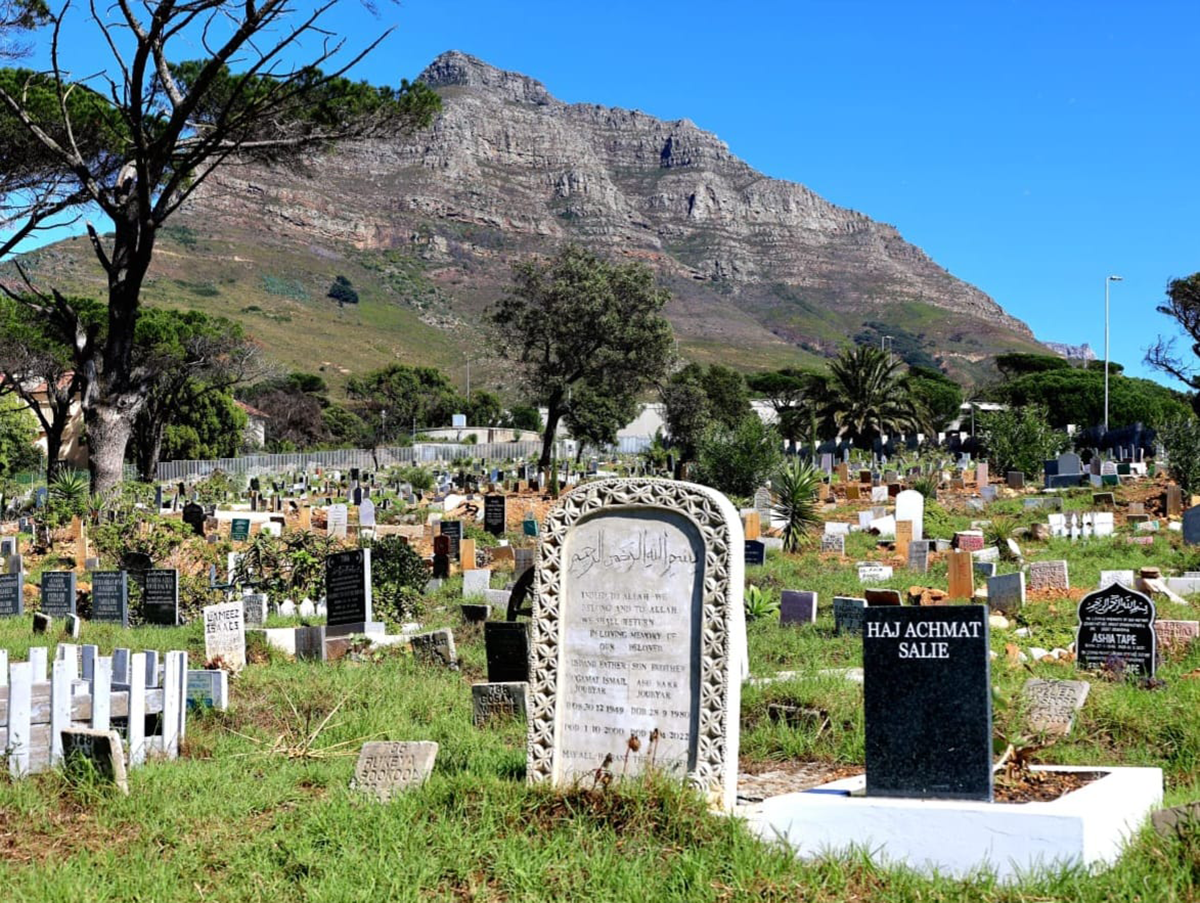

The Mowbray Cemetery Board has named its new office-bearers after the August election, bringing renewed focus to continuity, representation and governance, while an October AGM looms as an early test of transparency and accountability.
By ANWAR OMAR
Following the election of August 23, 2026, the Mowbray Cemetery Board (MCB) formally announced its office-bearers on Saturday, September 5, 2026.
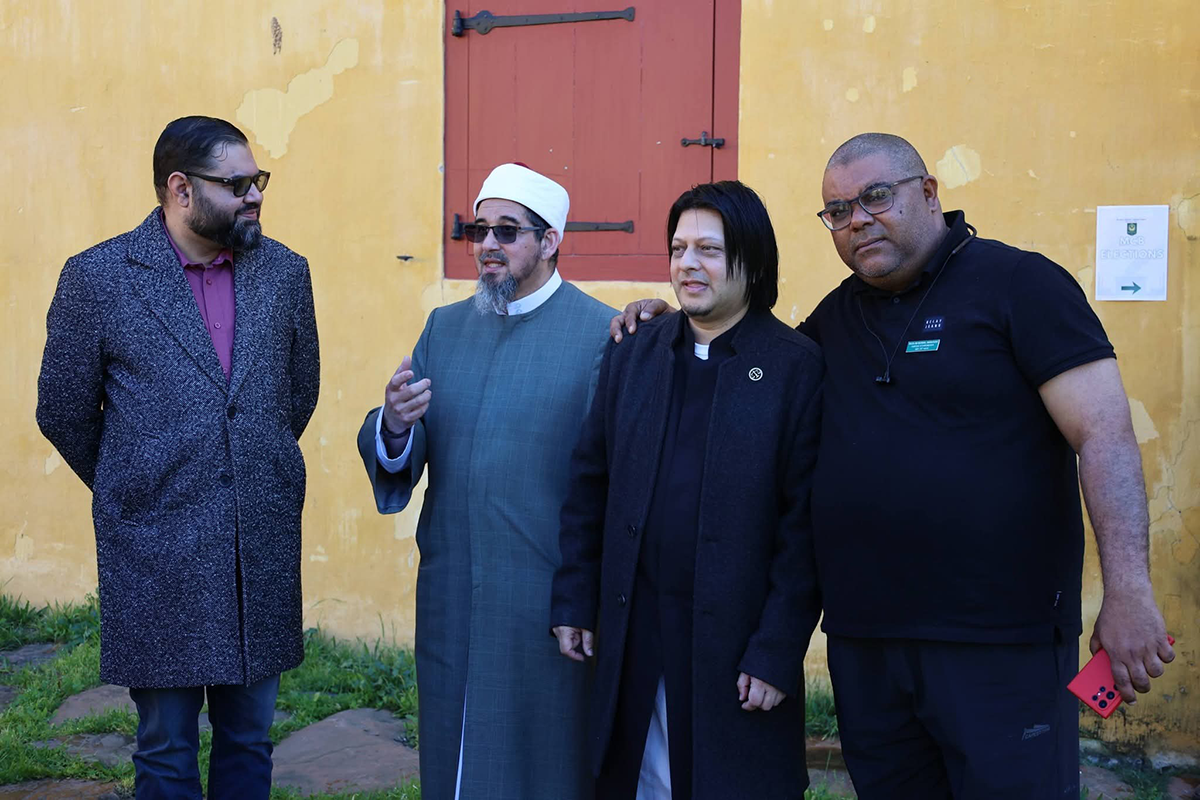
The Board met at the Castle, with Igshaan Higgins, chairman of the Independent Panel of Convenors that oversaw the original election, presiding over the meeting.
Voting was conducted by secret ballot with all 11 newly elected members in attendance.
The MCB announcement names six office-bearers: Faizal Sayed, chairperson; Advocate Shameemah Dollie Salie, deputy chairperson; Shaykh Muhammed West, treasurer; Advocate Yusuf Khan Dalwai, assistant treasurer; Yaseen George, secretary; and Imam Mogamat Ameen Schroeder, assistant secretary.
The remaining five board members – Shaykh Riad Fataar, Ayub Mohamed, Dr Mohamed Majedi Bassier, Faizel Bassier and Dr Muhammad Aadil Bassier – constitute executive members, a formal designation distinct from the six named office-bearers.
On the eve of the election, I proposed five principles that should guide how members cast their votes. I assessed how election results measured up to those five principles. In this piece, I continue this assessment in terms of the appointment of MCB office-bearers. Again, I declare upfront that this is not a verdict on those appointed. This is an attempt to look beyond who won and look at what the patterns reveal about the inaugural MCB meeting and who was appointed into those key official positions.
You may also want to read




The process
Procedurally, the process was robust. With full attendance, every member had the chance to participate. A secret ballot, conducted under an independent chair, removed any pressure to signal one’s vote to colleagues who will now serve alongside each other for the upcoming term.
Some context is important to note.
Sayed, now chairperson, also chaired the outgoing board, whose 15 years without an annual general meeting (AGM) breached Clause 17 of the 1948 constitution which, according to the judge, is still the operative governing document and requires an AGM to be held each October. This is what ultimately prompted the court to intervene.

Advocates Dollie Salie and Dalwai, now deputy chairperson and assistant treasurer respectively, also served on that board and, in fairness, their tenure covered only six of those 15 non-compliant years; not the full lapse. However, half the office-bearers carry some link to the board whose track record made this election necessary. While the process for electing the officials was sound, it did not necessarily address the problem the election was meant to fix. Having said that, the electorate has spoken and now the board has also appointed its office-bearers.
Balance of voices on the new board
Eight of 11 board seats went to candidates aligned with the outgoing board, against three from the rival “deeply concerned members” slate. All three now hold executive member status, a genuine role, but not one of the six office-bearer posts, every one of which went to the outgoing-board-aligned bloc. Within the office-bearers’ group, three of the six office-bearers, including Sayed, Salie and Dalwai, link back to the outgoing board, again tempered by the six-of-15-years caveat stated above.
Despite this, half the officials having served under the old dispensation is exactly the continuity this principle was meant to dilute, and it seems the “deeply concerned members” slate have deliberately been kept out of the office-bearer posts.
The secret ballot explains how the vote was cast, but not how the outcome was reached. A secret ballot guards against pressure in the room, but it does nothing to rule out an eight-member bloc having settled matters through informal caucusing before the meeting. This is a real vulnerability whenever one grouping holds this kind of majority. A clean 6-to-0 result among office-bearers is consistent either way. This can obviously not be confirmed, but it is a pattern that cannot be ignored.

Space for independent voices
This is a structural issue that remains closed, and the appointment of officials could not reopen it. There were no independents among the 11 board members elected, as this was settled by the general election, before the inaugural MCB meeting at the Castle began.
A woman in a leadership role
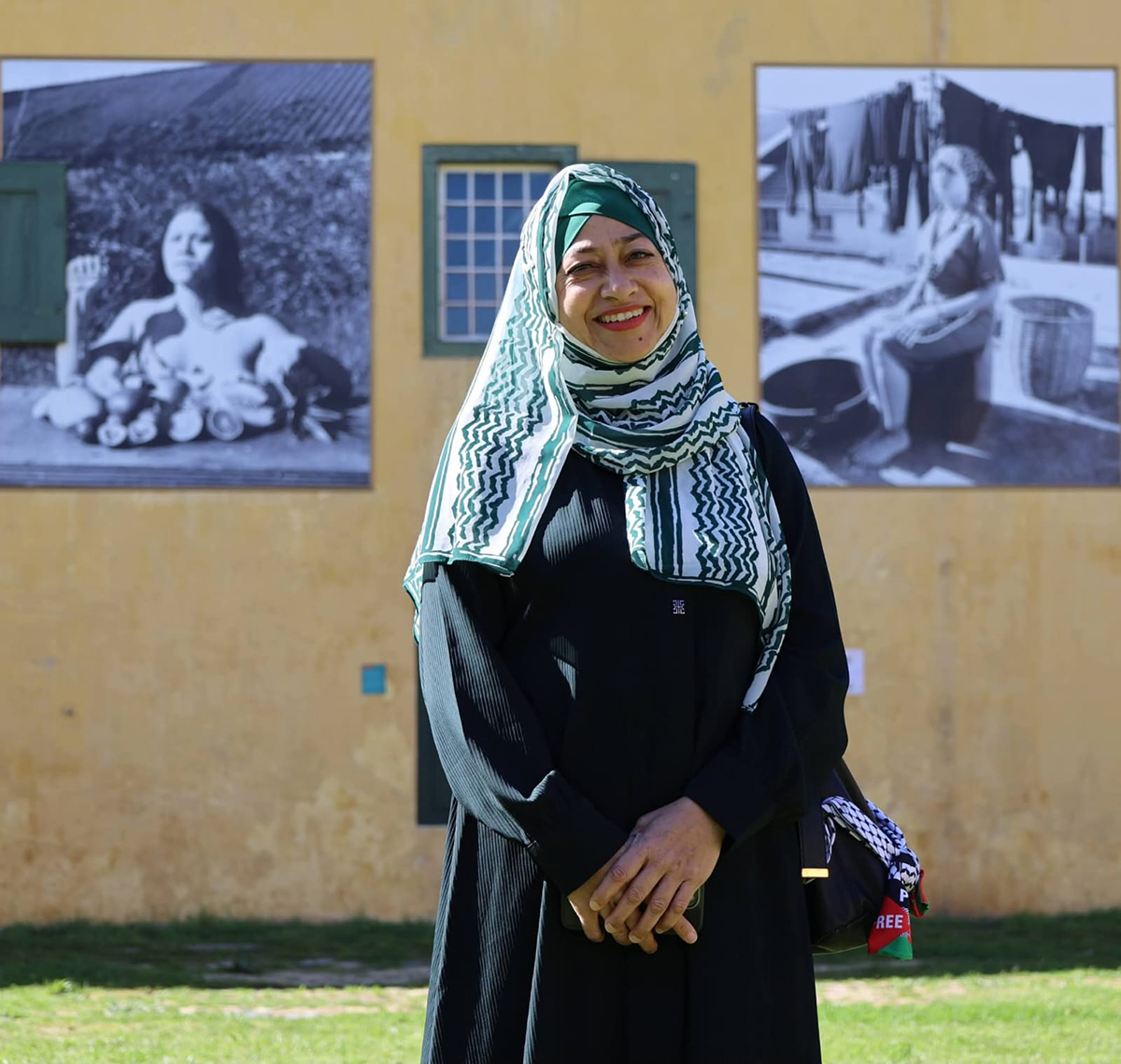
The clearest bright spot is Advocate Dollie Salie, the only woman among the 11, who was elected deputy chairperson by secret ballot, underscoring that the earlier gender gap was never a shortage of qualified candidates. She, too, served on the outgoing board, so she is not an entirely fresh voice in the leadership of the organisation. However, placing the board’s only woman second-in-command is a real positive development. It doesn’t change the fact that one of 11 is female and there’s still no seat reflecting youth participation.
Keeping the MJC’s role in perspective
On this front, the board has delivered a mixed result. Shaykh Fataar, the MJC’s president, who had widely been expected to take the chair, was not appointed to it. He remains an executive member, not holding any of the six official posts. This is another real positive development which softens the player-referee risk identified earlier but does not eliminate it.
Shaykh West’s election as treasurer centralises financial control of the MJC and the MCB in one individual, just as the board’s transparency faces its closest scrutiny in years.
An MJC-board overlap is Sayed’s return as chairperson who, with Imam Schroeder, serves on the MJC’s burial administration. This speaks to the same broader player-referee concern and is an area that needs attention going forward.
The undertaker question
Of the 11 board members, Imam Schroeder is the only one who is an undertaker. George, while not an undertaker by his own account (he describes himself as a medico-legal practitioner), is a member closely connected to the undertakers’ side of the mortuary dispute, having signed the formal objection to the court ruling. Together, they now occupy the two posts in the board’s secretariat: George as secretary, Imam Schroeder as assistant secretary.
A milestone: handover of documents and financials
One agenda item deserves to be highlighted. The meeting included a formal handover of the Panel’s documents and financial records to the secretary and treasurer. According to Sayed, it was the first time such records had been formalised and handed over in the history of the MCB.
That’s a genuine step forward. The court had previously declined members access to the outgoing board’s financials during litigation, ruling them confidential except for its own limited inspection. A formal handover to the newly elected officials is exactly the institutional practice the 15-year lapse never established, and its absence helps explain how that lapse was possible.
It should, however, be considered for what it is: a handover between the Panel and incoming officials; not yet publication to the membership at large. That distinction matters because the transparency required is for disclosure to members, not just orderly record-keeping between office-bearers. It’s a necessary, unprecedented first step, but a step toward fuller disclosure rather than the disclosure itself.
Where this new chapter leaves the board
The election of officials was conducted soundly, and the document handover – a first for the organisation – is a genuine step toward the accountability the 15-year lapse never delivered, even if not yet the complete public disclosure the community has requested. The outgoing chair leads the new board, joined among the office-bearers by two others who also served under the old dispensation. The treasurer’s role sits with a member who holds the same position with the MJC.
The board members who campaigned as a rival “deeply concerned members” slate hold real standing as executive members, but not any of the six office-bearer posts. The board’s single woman has been elevated to deputy chairperson, one voice among six, drawn almost entirely from a single bloc with strong ties to the outgoing board.
The clearest test of whether this new board has genuinely broken from its predecessor’s record arrives almost immediately. Clause 17 of the 1948 Constitution, the framework the judgment applies throughout in restoring lawful governance, requires an AGM each October. That requirement carries extra weight as the SGM that elected this board was, by the court’s own design, narrowly convened solely for the election, with no membership address and no other business.
Clause 20 of the 1948 Constitution sets out an AGM’s required agenda, with confirmed minutes, financial statements, as well as elections, and the special general meeting (SGM) delivered only the last of these. This October’s AGM will finally afford members the fuller accountability envisaged in Clause 20 and long overdue after 15 years of non-compliance.
Whether the newly elected board convenes one this coming October, barely a month after the election of officials, will be the first concrete sign of whether the 15-year lapse is truly behind it, or simply paused.
Anwar Omar holds a Master’s in Applied Islamic Thought awarded cum laude, an MPhil in Conservation and the Built Environment, and an MBA. He is a founding member of the Islamic Governance Advisory Council (IGAC) and a Councillor of the South African Heritage Resources Agency (SAHRA). He has closely followed developments at the Mowbray Muslim Cemetery. This article reflects his personal views and does not necessarily represent the views of Muslim Views or his affiliated institutions.