


![Does ta’wīl mean interpretation or fulfilment? A Quranic reassessment [+video]](https://muslimviews.co.za/wp-content/uploads/2026/10/Tawil-Kaskas-360x180.webp)








![Why becoming a wealthy Muslim is commendable in Islam [+videos]](https://muslimviews.co.za/wp-content/uploads/2026/09/Muslim-Trade-Business-1-360x180.webp)
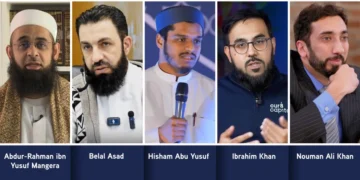
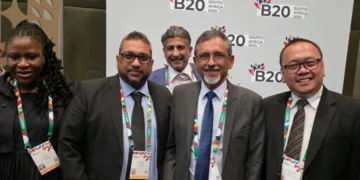

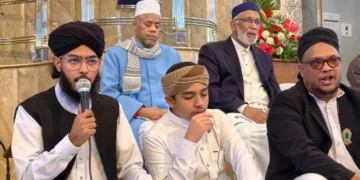
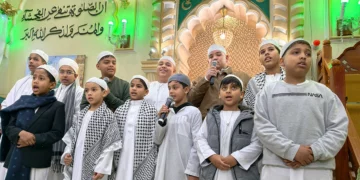


An Awqaf SA workshop examined how waqf in South Africa can move beyond charitable giving to preserve wealth, generate sustainable income and strengthen governance, leadership and community development over generations.
By AHMED KAJEE
A wide-ranging discussion on waqf as the legacy of Sayyidina Umar Ibn Al Khattab (RA) has highlighted the need to rethink waqf as a long-term instrument for socio-economic development, while confronting questions around investment, governance, human capital and community participation.
Waqf in South Africa needs to be understood as more than a form of charitable giving if it is to realise its potential as a mechanism for long-term socio-economic development.
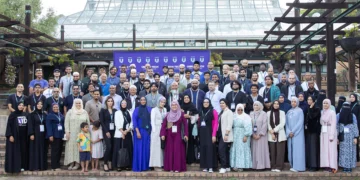
That was one of the central themes to emerge from a workshop at the University of Johannesburg (UJ) Business School on Saturday, August 15, which brought together community members, academics, professionals and religious leaders to explore the legacy of Umar ibn al-Khattab and the contemporary role of waqf.
Hosted by the National Awqaf Foundation of South Africa (Awqaf SA) and the Department of Religion Studies at the University of Johannesburg, the event drew approximately 70 to 80 people and marked the beginning of a broader conversation about the future of waqf in South Africa.
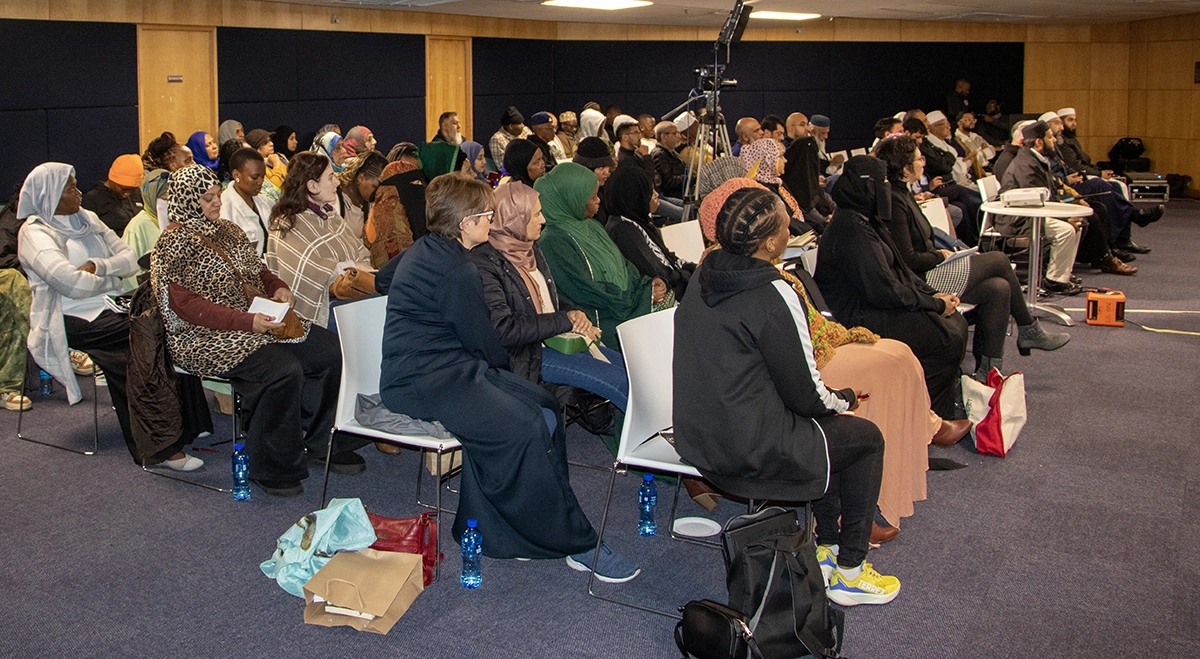

Rather than focusing solely on the religious obligation of charitable giving, speakers explored how waqf could preserve wealth, generate sustainable income and support social and economic development over generations.
From charity to investment
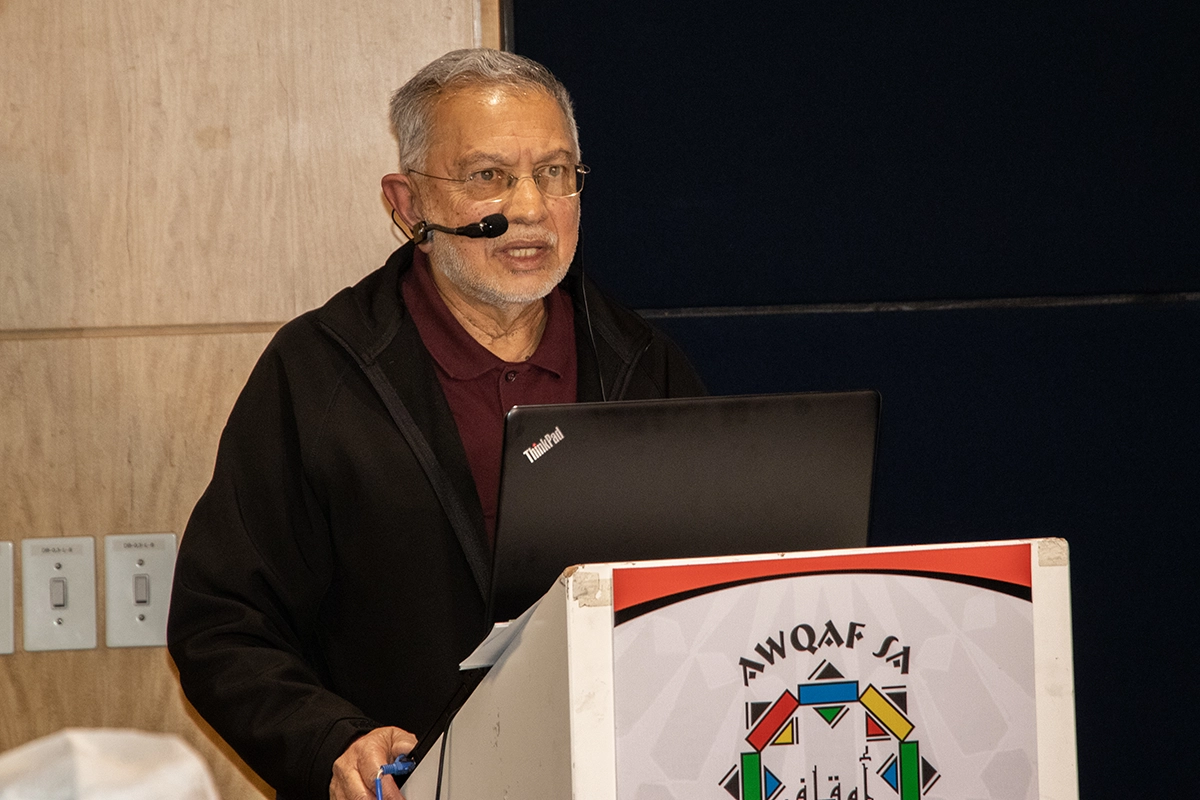
Professor Yusuf Dadoo, who presented on the historical and civilisational role of waqf, argued that the institution could have a greater role in South Africa at a time when social services and other sectors face increasing pressure. Professor Dadoo is a researcher and academic with a focus on Islamic history, heritage and the dynamics of waqf in South Africa.
Historically, he said, waqf supported institutions including educational facilities, hospitals and mosques, allowing communities to address social needs beyond the direct role of the state.
“The dynamics related to that, the avenues in which investments can be made in Waqf for the purposes of social and economic upliftment of people — that is something that, unfortunately, we haven’t given too much thought to yet as a collective.”
Dadoo argued that greater attention needs to be given to the investment mechanisms through which waqf can contribute to social and economic upliftment.
That question of investment was a recurring theme throughout the discussion.

Zeinoul Abedien Cajee, founding CEO of the National Awqaf Foundation of South Africa, said there was significant interest in finding ways to expand the waqf system and expressed a long-term ambition to establish a multibillion-rand waqf.
“Our intention and our goal is to have a multibillion rand waqf over time.”
Cajee estimated that Muslim money held in Islamic banks, Islamic unit trusts and other Sharia-compliant funds in South Africa amounts to about R100 billion. He suggested that even a portion of these resources could potentially be directed towards community-owned, controlled and managed projects.
The figure represents Cajee’s estimate and points to the scale of the financial potential being discussed, rather than an independently established pool of money available to waqf.
The ambition raises a broader question about whether waqf can move beyond its traditional association with charitable distribution and become a mechanism through which capital is preserved and invested for long-term community benefit.
The value of lasting assets
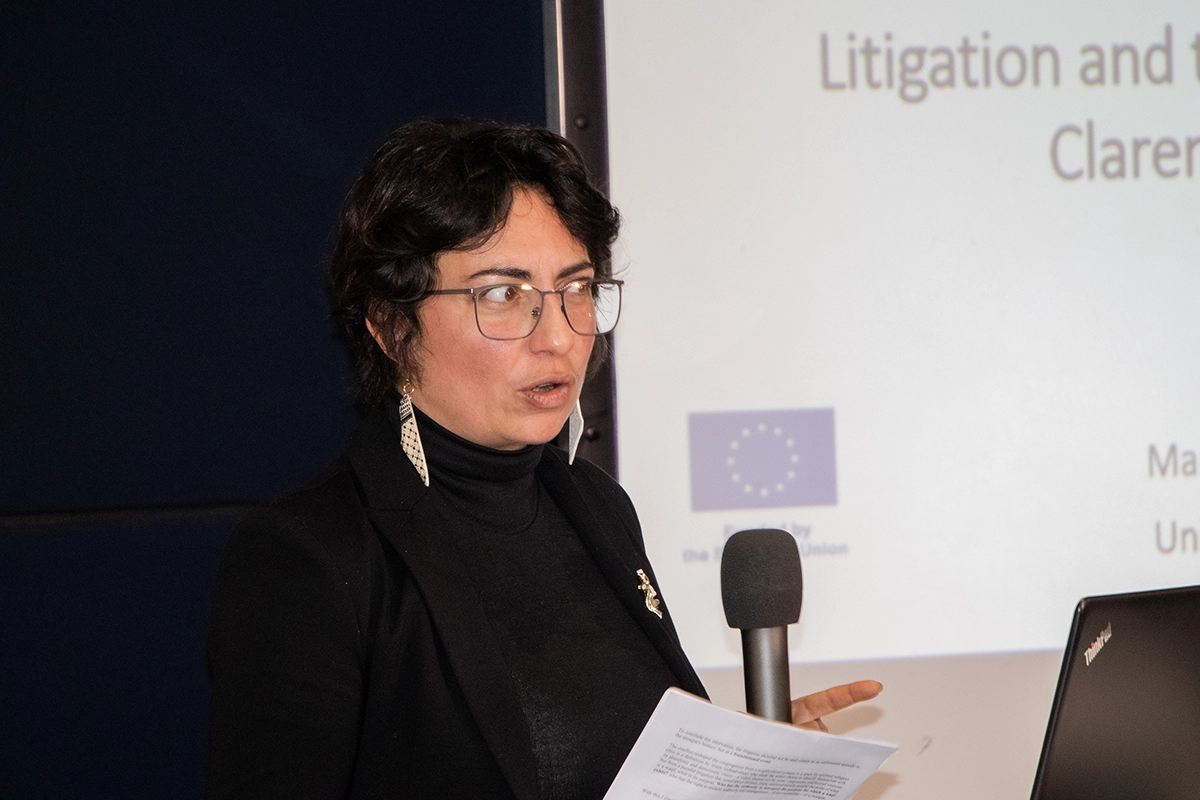
Researcher Dr Margherita Picchi, whose presentation examined the history of the Claremont Road Mosque in Cape Town, said the defining feature of waqf is precisely its ability to endure.
The mosque was established as a waqf in 1854 and remained under the trusteeship of the early Imams’ family for about a century before a lengthy legal dispute arose over its administration. Picchi used the case to examine the management of waqf in a non-Muslim country and under Apartheid.
“One of the most interesting aspects of waqf is its durability. So, a waqf is not just charity. Something that is done is built for the long term.”
She argued that the durability of waqf distinguishes it from conventional charitable giving.
A waqf is designed as a long-term institution whose benefits can continue across generations, rather than a once-off intervention whose resources are immediately consumed.
That distinction raises an important question for South Africa: how can existing and future waqf assets be structured so that they generate sustainable returns while continuing to serve their intended social purpose?
The historical example presented by Dr Picchi also demonstrated that waqf is not an entirely new concept in South Africa. The Claremont Road Mosque’s history provides an example of a waqf institution operating through different political and legal periods, including Apartheid.
More than money
But the discussions at UJ also suggested that money alone will not determine whether waqf succeeds.
Dr Abdul Karim Elgoni, chairperson of the African Diaspora Forum, linked the legacy of Umar ibn al-Khattab to the need for Muslims to translate knowledge and faith into action. He argued that South African Muslims also need to confront divisions along racial and cultural lines if they are to build stronger collective institutions.
“One of the things we wanted to take from Umar’s legacy is to practice what we know, and to push beyond the strings of the community that pull us away from being a Sahabi-like Muslim.”
He argued that Muslims need to develop a stronger sense of collective responsibility and move beyond communities operating primarily within their own cultural or racial groupings.
For Dr Elgoni the challenge is therefore not simply how much money can be placed into waqf, but whether the community has the commitment and cohesion to use its resources collectively for the benefit of others.
He also questioned the tendency to wait for people to ask for assistance rather than responding when a need is visible, arguing that the example of Umar ibn al-Khattab was one of putting principles into practice.

Who shapes the future?
Questions of human capital and governance also emerged.
Professor Zahraa McDonald, Head of the Department of Religion Studies at UJ, focused her presentation on women and waqf. She highlighted the historical contribution of women to knowledge and waqf, including Fatima al-Fihri, associated with the establishment of one of the world’s oldest universities.
Prof McDonald also pointed to the example of Hafsa, the daughter of Umar ibn al-Khattab, as a trustee, arguing that contemporary Muslim institutions need to grapple with why women’s participation in leadership remains difficult in many settings.
“It’s almost impossible to think of a mosque committee in Johannesburg having a woman on their executive. It’s almost as if the world is going to come to an end.”
She argued that greater cultural and educational work is required to ensure women and young people are recognised as contributors to decision-making rather than simply participants in supporting structures.
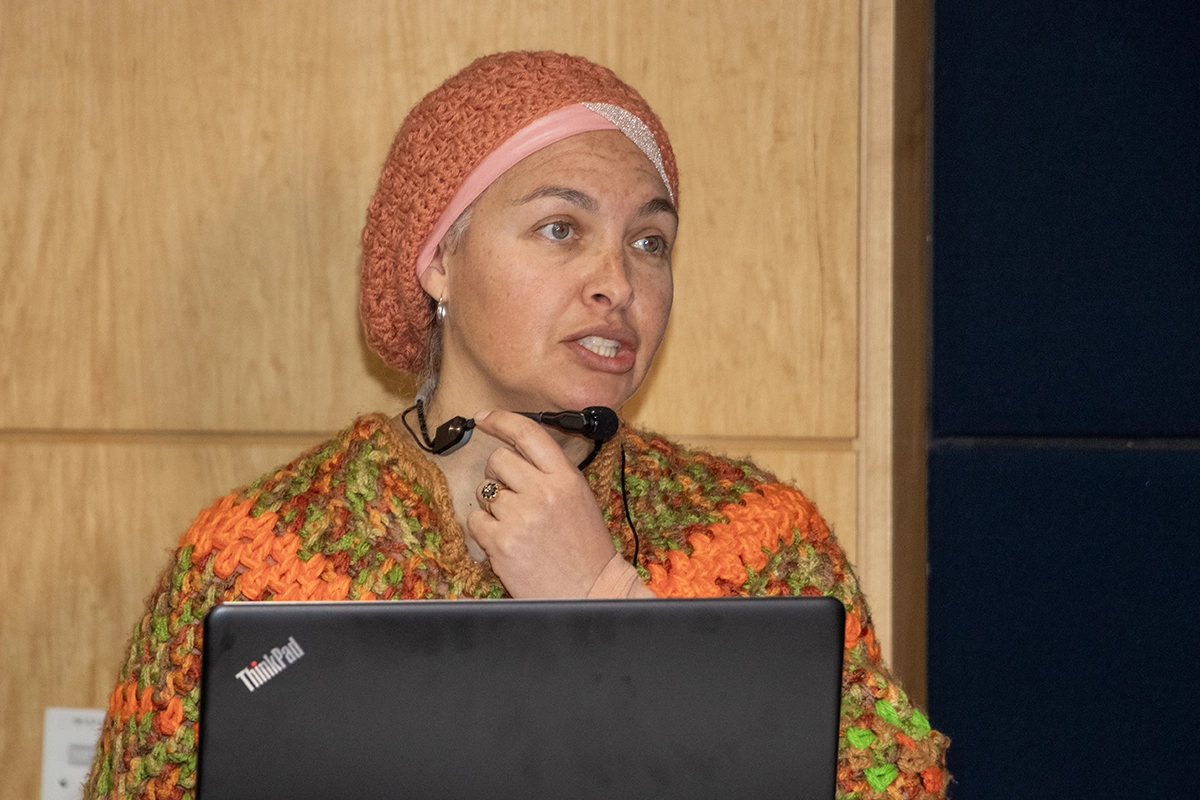
The question of younger leadership was also raised by Dr Picchi, who said the challenge of older generations retaining control is not unique to waqf or South Africa.
Cajee said Awqaf SA has a succession programme aimed at developing younger leaders and introducing knowledge of waqf at school and madrassa level.
You may also want to read





This adds another dimension to the question of sustainability. A waqf may be designed to last for generations, but the institutions responsible for managing it also need to develop the people and structures capable of sustaining it.
The conversation continues
The discussion extended beyond the formal presentations. Questions and comments from the audience focused on the road ahead for waqf in South Africa, including the need for greater investment, younger participation, stronger resources and better digital strategies to communicate information about waqf.
The gathering also provided opportunities for participants from different sectors to network and explore potential collaboration.
For a sector seeking to expand, those conversations may prove as important as the capital itself.
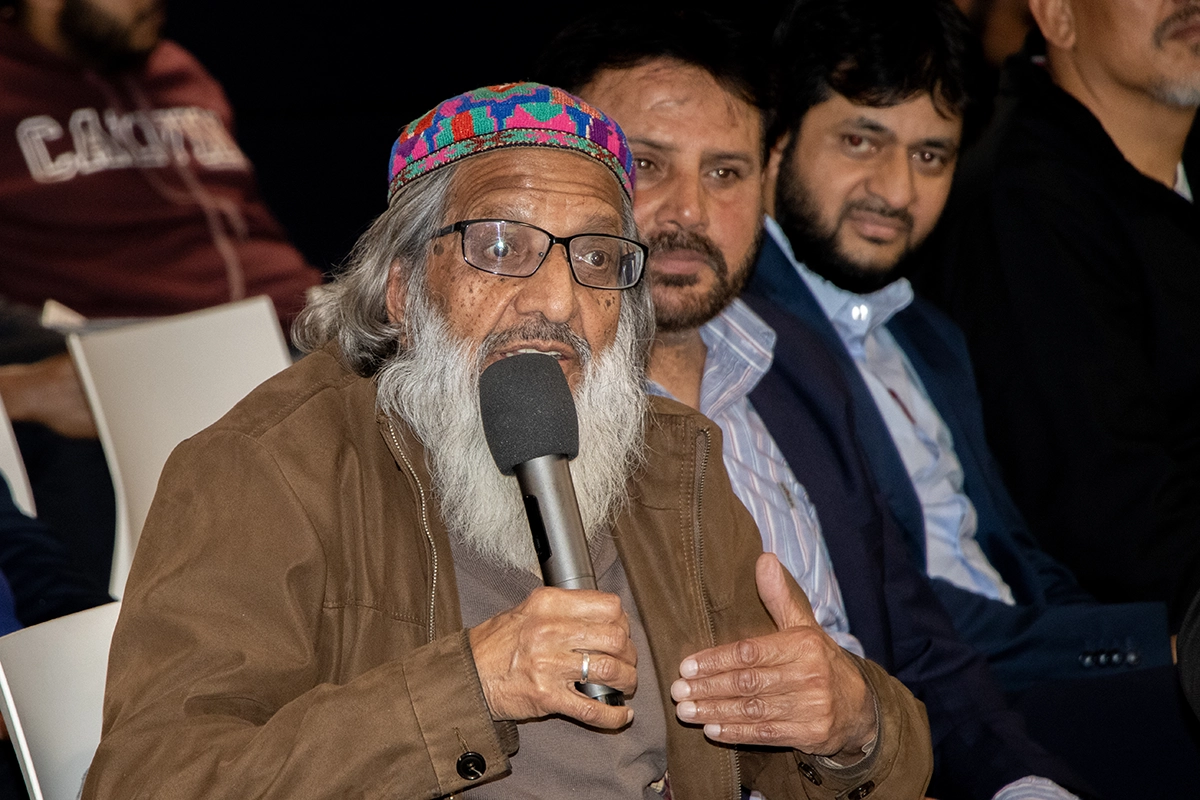
The workshop therefore did not present a finished model for what waqf should look like in South Africa. Instead, it exposed a series of questions that will need to be answered if the institution is to move to a larger scale.
How much capital can realistically be mobilised? How should it be invested? What projects should receive funding? Who should govern those assets? How can women and younger people become part of decision-making? And how can a fragmented community build the trust and institutional capacity required to manage wealth for generations?
For Prof Dadoo, there is considerable room for development.
“I think we can do much better than this.”
The challenge, he said, is that while waqf is often understood as perpetual charity, the investment dynamics and avenues through which it could contribute to socio-economic upliftment have not received enough collective attention.
The significance of the UJ gathering may therefore lie less in any single announcement than in the conversation it started.
South Africa’s waqf debate is beginning to move towards a bigger question: not simply how Muslims can give, but how communities can preserve and invest resources so that those resources continue working for society long after the original contribution has been made.
The next stage will be turning that potential into practical models, sustainable investments and institutions capable of delivering on the promise of waqf.