








![Does ta’wīl mean interpretation or fulfilment? A Quranic reassessment [+video]](https://muslimviews.co.za/wp-content/uploads/2026/10/Tawil-Kaskas-360x180.webp)












![Why becoming a wealthy Muslim is commendable in Islam [+videos]](https://muslimviews.co.za/wp-content/uploads/2026/09/Muslim-Trade-Business-1-360x180.webp)



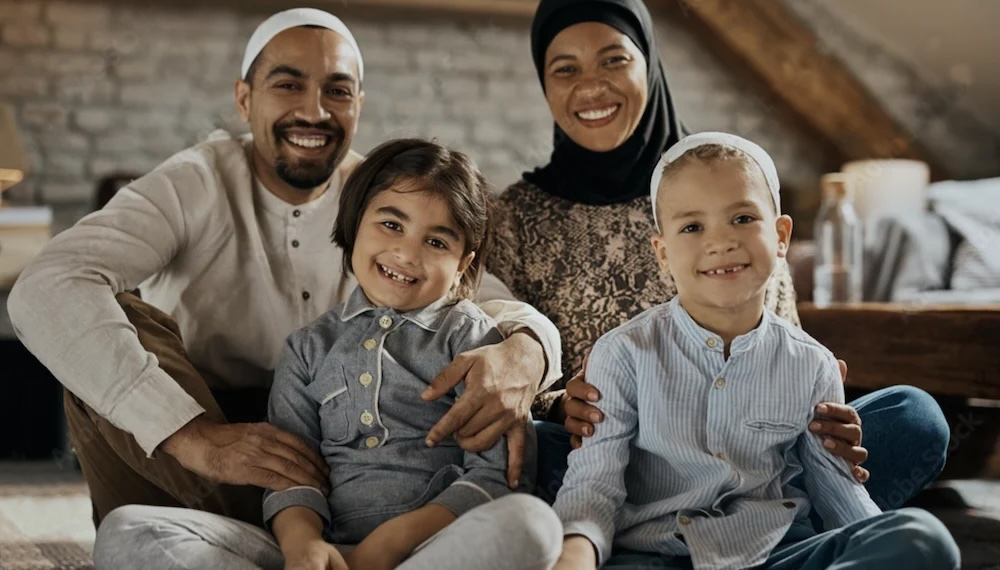

In the last of this two-part series, we examine why a DIY will may leave Muslim families exposed to overlooked debts, vulnerable heirs, inadequate provision for children and legal complications, and why Islamic estate planning matters.
Walk into any bank, stationery shop or browse the internet and you will find advertisements offering a “free” or inexpensive will. Many promise that it only takes a few minutes to complete. But is your will the place to cut costs?
For most Muslims, a will is the last legal document they will ever sign. It determines how their estate is administered, how their family is protected and whether their final wishes can be carried out in accordance with the Shariah.
Planning for the unexpected
One of the first mistakes found in many DIY wills is failing to plan for the unexpected. What happens if an executor passes away before you, becomes mentally incapacitated, emigrates or simply refuses to act?
A professionally drafted will can contain a Power of Assumption, allowing additional executors or trustees to be appointed when circumstances change, etc. A good will plans not only for your death, but also for the possibility that those you appoint may not be able to fulfil their responsibilities.
Security is another overlooked issue. In South Africa, an executor may be required to furnish security to the Master of the High Court before administering an estate. Where the law permits, a carefully drafted will can exempt a trusted executor from furnishing security, reducing costs and delays.
Debts must be settled before inheritance
Islam reminds us that inheritance is never distributed before debts have been settled. Allah says in the Holy Quran: “…after payment of any bequest and debts.” (Sura An-Nisa, 4:11–12)
Wives may contribute financially towards the home, family business, renovations or children’s education, often without formally recording those contributions. Yet if they gave rise to a genuine debt, Islam requires that it be honoured before a single heir receives an inheritance.
A professionally drafted will can record debts or direct that legitimate claims be investigated.
Grandchildren can be overlooked
Many Muslim grandparents assume that grandchildren whose parent died before them will automatically inherit. Under the classical rules of Islamic inheritance, this is not always the case. Unless proper planning is undertaken, these children may receive nothing from their grandparent’s estate.
A knowledgeable estate planner can advise on the use of a wasiyyah, within the limits permitted by the Shariah, to make provision for such grandchildren where appropriate.
Protecting children and their inheritance
Perhaps the greatest misconception among young parents is that appointing a guardian is enough. Naming someone to care for your children answers only one question: Who will raise them? The important question is: How will they afford to do so?
Medical expenses, education, transport and the ordinary costs of raising children continue long after a parent’s passing.
A testamentary trust enables trusted individuals to manage a child’s inheritance and make financial provision for their education, healthcare, maintenance and other needs until the child reaches a suitable age. It can provide the guardian with the financial resources necessary to care for the child, while protecting the inheritance from misuse and ensuring that it is managed responsibly in accordance with the terms of the will.
Without proper planning, money inherited by minors may, in certain circumstances, be paid into the Guardians Fund administered by the Master of the High Court. Surviving caregivers can face delays when applying for money needed for a child’s daily care. Professional estate planning can often prevent these hardships.
Protecting vulnerable heirs
What happens when the person who is meant to inherit is not in a position to protect or manage that inheritance themselves?
Drug and substance abuse is an increasing concern in our communities. Parents may spend a lifetime building wealth, only to worry that an inheritance could be misused or contribute to further harm.
Estate planning allows us to ask: how do we ensure that an inheritance actually benefits the person it was intended for?
With appropriate planning, structures can preserve and protect an heir’s inheritance while ensuring that their needs continue to be met. A properly structured trust, together with drafted provisions in a will, can sometimes provide the protection and oversight that a vulnerable beneficiary requires.
For Muslim families, however, there is a balance. We cannot use estate planning to circumvent the inheritance rights prescribed by Allah. The shares prescribed by Shariah remain the foundation, but within that framework there are legitimate ways of planning for those who need additional assistance.
Our responsibility does not end with building wealth or determining who inherits. It extends to asking: “Will this inheritance protect my family, or could it place them at risk?”
A thoughtful will, supported by proper estate planning, can help ensure that the wealth we leave behind becomes a means of care, dignity and security rather than a burden or source of harm.
Legal formalities matter
Another common mistake in DIY wills is failing to comply with the legal requirements governing execution.
South African law requires strict formalities. A beneficiary should generally not witness a will because this may affect their ability to inherit. Losing the original signed will can also cause delays, legal costs and, in some cases, court proceedings.
Who can’t sign my will
Avoid having beneficiaries or their spouses act as witnesses, as this can create serious complications. A will is a legal document, and how it is drafted and signed matters. Do not simply download a template, make handwritten changes or sign a will without understanding the legal requirements. A will must be drafted, witnessed and executed to ensure that it is valid.
These are not technicalities. They can determine whether your wishes are honoured.
A professionally drafted will can also protect beneficiaries after the estate has been distributed. Where legally permissible, an inheritance can often be protected from forming part of a beneficiary’s joint estate or the accrual system, including if the beneficiary later divorces.
Collation – whether substantial lifetime gifts should be considered when dividing the estate – can also cause conflict over gifts, loans and family expectations.
Finally, every professionally drafted will should contain a clear revocation clause, cancelling all previous wills. Without it, families may discover multiple documents after a loved one’s death, each appearing to express different intentions. Administration can become a painful legal dispute.
You may also want to read


![The merchant preceding the Prophetic mission [Part 1]](https://muslimviews.co.za/wp-content/uploads/2026/08/01-120x86.jpg)
![The market-builder who restrained the market [Part 2]](https://muslimviews.co.za/wp-content/uploads/2026/08/PHOTO-2026-08-25-17-16-32-120x86.jpg)

A legacy of care and certainty
The Prophet Muhammad ﷺ encouraged every Muslim to keep their will ready. Preparing a will is not about planning for death. It is about protecting those who must continue living after we are gone.
The greatest legacy we can leave our families is not merely wealth. It is certainty instead of confusion. Justice instead of conflict. Planning instead of panic. And peace instead of prolonged legal battles.
A professionally drafted Islamic will is therefore not an expense. It is one of the greatest acts of mercy, responsibility and love that we can leave behind for those whom Allah entrusted to our care.
For assessment and guidance, contact Mohamed Jaffer at Mojaff Legacy (021 638 7786 or mjaffer@mojaff.co.za).