


























Al Jama-ah has appointed Advocate Yusuf Khan Dalwai as Deputy President, unveiling plans for 500 accredited branches, expanded constituency offices, legal support services and stronger grassroots engagement across South Africa.
By SAYED RIDHWAAN MOHAMED
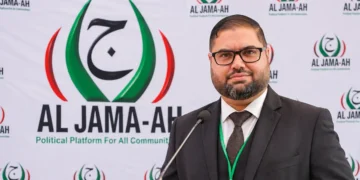
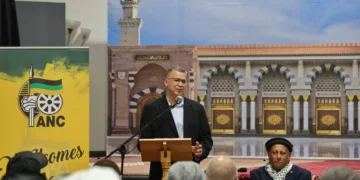
Al Jama-ah has appointed City of Cape Town councillor-elect and legal practitioner, Advocate Yusuf Khan Dalwai, as its new Deputy President, initiating a structural reorganisation aimed at institutionalising party succession and expanding its municipal footprint.
The appointment comes as founder and parliamentary leader of the party, Ganief Hendricks MP, remains the party President. Hendricks has been serving as Deputy Minister of Social Development in South Africa’s Government of National Unity (GNU) since July 2024.
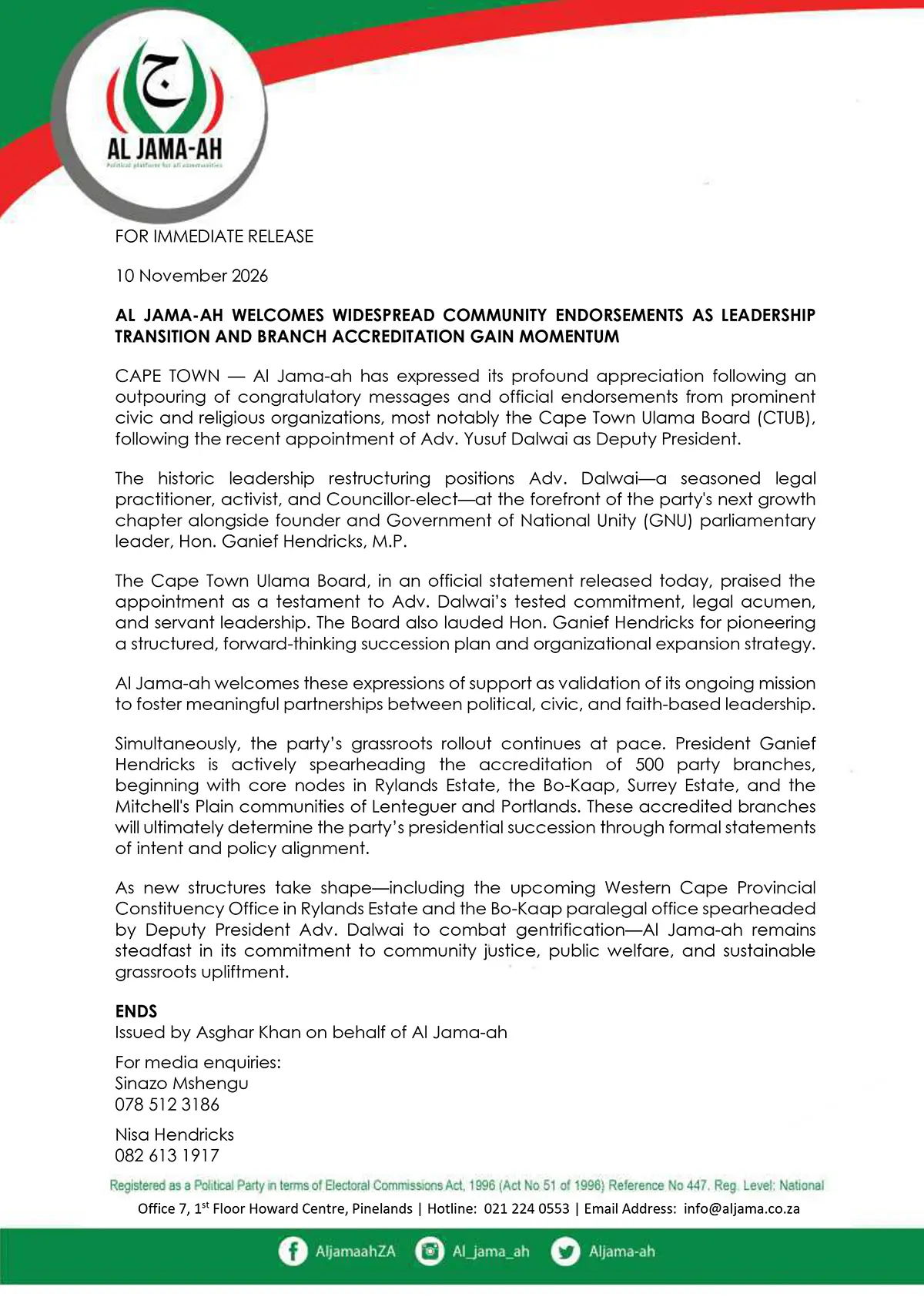
According to a statement issued by Al Jama-ah, Hendricks will focus on accrediting 500 branches nationwide. Under the party’s succession framework, these accredited branches will eventually select Hendricks’ presidential successor after submitting formal statements of intent pledging support for the party and its policies.
Political observers note that the restructuring reflects an effort by smaller parties within the GNU to balance national executive responsibilities with local organisational consolidation. By separating national ministerial duties from day-to-day branch building and legal advocacy, Al Jama-ah is seeking to transition from a founder-led movement into a structured, multi-generational political party.
Dalwai brings a combination of legal, academic and municipal experience to the party’s second-highest office.
He holds a Bachelor of Laws (LLB) degree, an Honours in Islamic Studies, and a Masters in Islamic Thought.
In his professional capacity, he practises as a Trust Account Advocate in Cape Town and is a member of the South African Bar Association. He specialises in family, civil, property, labour and public-interest litigation. Alongside his new role as Deputy President, he also serves as a Proportional Representation (PR) councillor for Al Jama-ah in the City of Cape Town.
Speaking in an exclusive interview with Muslim Views, Dalwai stated that his elevation carries a national mandate focused on building party structures and ensuring policies remain practical, lawful and fair.
“I understand the disillusionment, so I will not ask for trust. I will ask to be measured,” Dalwai said, setting a 12-month deadline to establish operational constituency offices and publish audited impact figures on the number of residents assisted.
“My commitment is simple: I will listen, I will tell you the truth, and I will do the work.”
Constituency expansion and branch accreditation
The initial phase of the 500-branch accreditation process is concentrated in Western Cape wards where Al Jama-ah has recorded strong electoral support, including Rylands Estate, the Bo-Kaap, Surrey Estate, and Lenteguer and Portlands in Mitchell’s Plain.
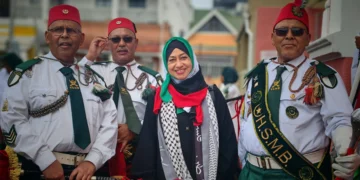
Dalwai indicated that the party will convert high-performing municipal candidates into permanent local anchors to ensure branches remain active between election cycles. He cited the electoral performances of Shafwaan Laubscher in the Bo-Kaap, Naweed Mohamed in Ward 46, which includes Rylands Estate and Surrey Estate, and Advocate Shameemah Dollie Salie in Ward 60, which includes Lansdowne and Rondebosch East, as the starting points for a network of physical constituency offices.
“Every accredited branch will be judged by what it does for its community between elections, not only by how many members it signs up,” Dalwai said.
Alongside these ward-level offices, Al Jama-ah is establishing a Western Cape Provincial Constituency Office in Rylands Estate, while Hendricks will oversee specialised community support programmes for older persons and vulnerable families in Surrey Estate.
You may also want to read



To appeal to younger voters and professionals, Dalwai said the party plans to modernise its operations through youth-oriented digital platforms, transparent reporting on office achievements, and structured volunteering opportunities for students and skilled professionals.
Legal interventions against gentrification
A central component of Dalwai’s portfolio is heading a newly established Paralegal Office in the historic Bo-Kaap, tasked specifically with addressing gentrification and housing displacement. In Cape Town’s contested property market, rising municipal valuations and commercial developments have placed sustained financial pressure on long-standing working-class families.
Dalwai explained that the paralegal desk will intervene directly in the administrative and legal processes that contribute to displacement.
“Gentrification in the Bo-Kaap happens gradually: a rates bill that rises after a valuation, an unresolved estate that leaves heirs exposed, a pressured sale, a development nobody objected to in time,” he said.
The office will assist residents with municipal rates rebate applications, property valuation objections, winding up deceased estates, and transferring title deeds to keep homes within families.
Staff will also help residents lodge formal objections to development and heritage applications and review tenancy agreements. Matters requiring formal court representation will be referred to Legal Aid South Africa, university law clinics, or pro bono practitioners.
Dalwai confirmed that this paralegal model, which will also handle maintenance and protection order applications, letters of demand, Commission for Conciliation, Mediation and Arbitration (CCMA) referrals, and South African Social Security Agency (SASSA) appeals, will be rolled out to constituency offices in Wards 46 and 60 as branch structures expand.
Faith-based engagement and municipal oversight
The leadership transition has drawn formal backing from religious structures in the Western Cape.
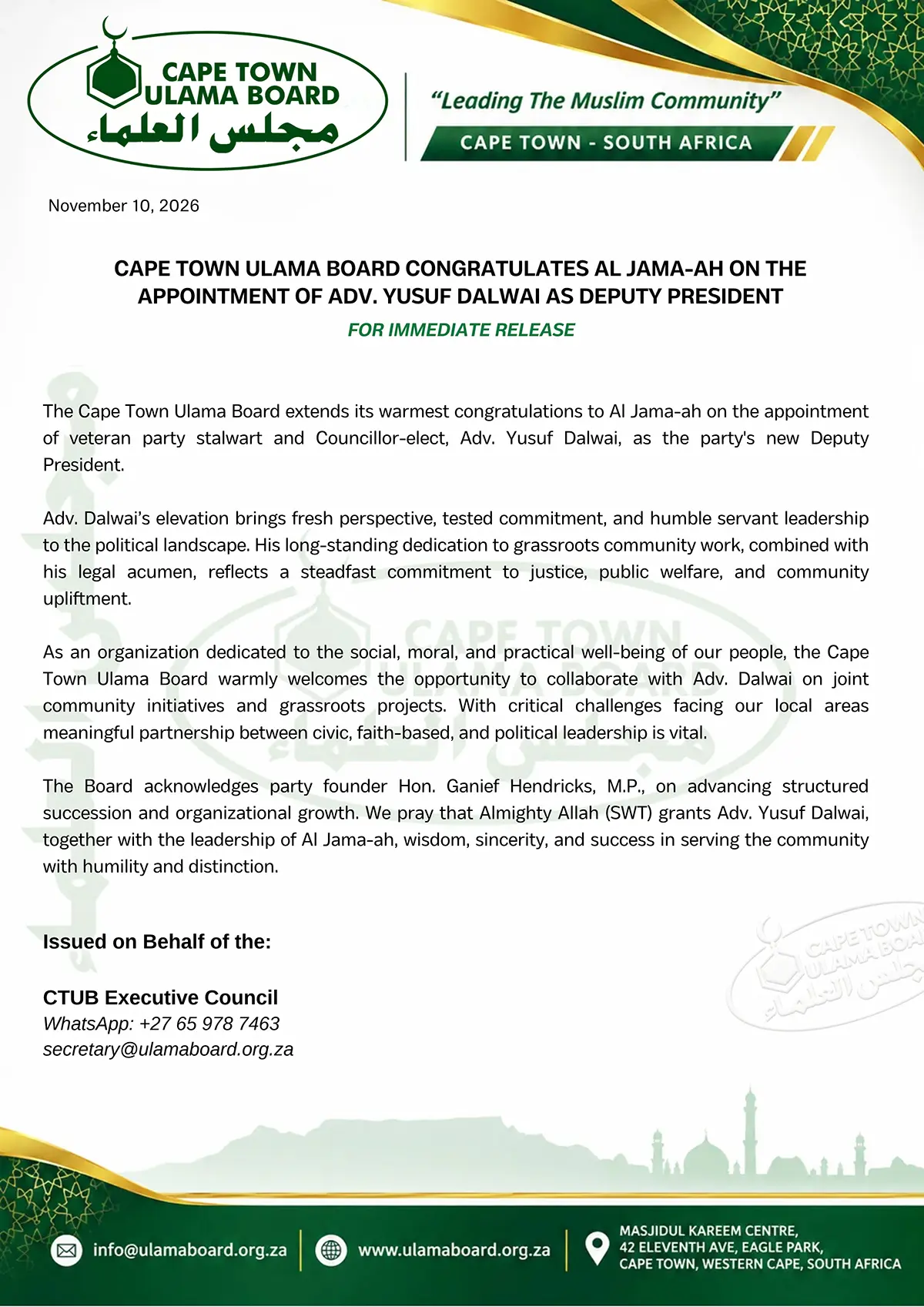
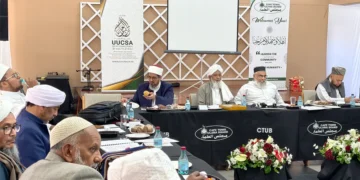
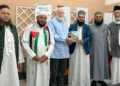
On November 10, the Cape Town Ulama Board (CTUB) Executive Council issued a statement congratulating Al Jama-ah, describing Dalwai’s appointment as bringing “tested commitment, and humble servant leadership to the political landscape”, while inviting collaboration on joint community projects. Al Jama-ah welcomed the endorsement, reaffirming the importance of engagement between civic, faith-based, and political bodies.
Addressing the relationship between religious institutions and party politics, Dalwai stressed that civic and faith-based bodies must retain their independence.
“Our role is to bring resources, practical knowledge, and access to government to the work they already do,” he said, noting that local masajid are often the first point of contact for families dealing with substance abuse and gangsterism. By linking mosques, schools, community policing forums, and interfaith leaders to rehabilitation services, protection orders, and constituency offices, the party aims to streamline community referrals for state support.
At the municipal level, Dalwai said Al Jama-ah will pair its national presence in the GNU with formal oversight tools in the DA-led metro. Criticising existing municipal public participation processes as mere “box-ticking” exercises, he stated that local branches will train residents to use council questions, Promotion of Access to Information Act (PAIA) requests, and statutory objections to enforce local service-delivery accountability.
Sayed Ridhwaan Mohamed is a South African community journalist, researcher, and Honours graduate in Islamic Studies. A steadfast advocate for humanitarian rights and global justice, he lends his expertise to numerous committees specialising in interfaith advocacy and human rights in Palestine and beyond. He serves on the executive committee of the Cape Town Ulama Board, while also serving as President of the Global Sufi Mission (SA Chapter), an Executive Member of the Sunni Ulama Council (Cape), and co-founder of the Ahlus Sunnah Media Network.