
























Former players, officials and supporters of the non-racial South African Soccer Federation gathered at Athlone Stadium to celebrate 20 years of SA Fed Soccer Legends, elect new leadership and strengthen plans to preserve soccer heritage.
By ANWAR OMAR
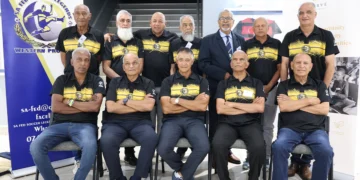
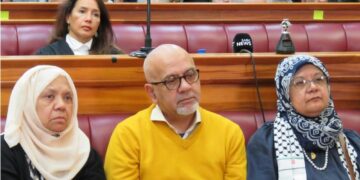
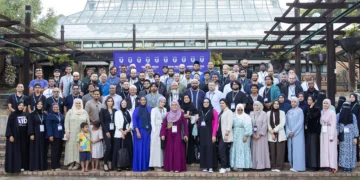
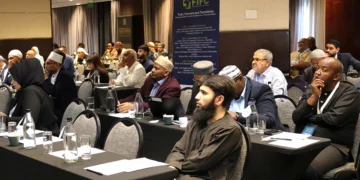
On Saturday, November 14, former players, officials, referees and supporters of the non-racial South African Soccer Federation gathered at Athlone Stadium for the SA Fed Soccer Legends National Biennial General Meeting (BGM) and Heritage Celebration, marking 20 years of the movement.
Western Province hosted delegates from all five regions, including Southern and Northern KwaZulu-Natal, Western Province, Gauteng and the Eastern Cape, under the theme “Unity in Diversity”.
A history kept alive
The Federation was formed in 1951, when the African, Coloured and Indian football associations united against segregation. Its clubs built non-racial professional football, first through the South African Soccer League, which was starved of grounds and folded in 1967, and then through the Federation Professional League (FPL) from 1969.
Players took the field on borrowed pitches, without sponsors and under police watch, yet the quality never dropped, highlighted by Cape Town Spurs striker Bernard “Dancing Shoes” Hartze, who scored a record 35 goals in 16 matches in one FPL season. The era closed with football unity in the early 1990s.
Over the years, many records were lost, and in 2006 the SA Fed Soccer Legends was founded in Southern KwaZulu-Natal under the motto “To Honour and Serve”. Branches followed in every region, and a national body was formed in 2024.
According to the organisation’s website, today the movement honours more than 200 000 players, referees, officials and supporters from more than 45 clubs.
The road to 2030
The BGM received the chairperson’s, secretarial, subcommittee, treasurer’s and regional reports, and adopted the financial statements.
Delegates set priorities for 2027-2030, with more emphasis on member participation, fundraising, partnerships and youth development. The constitution was strengthened with clauses on membership requirements, the code of conduct, past defections and chat-group protocols.
The meeting thanked outgoing chairperson Jasper Vurden, a co-founder who took over after the death of the national body’s first chairperson, the late Ashwin Trikamjee. Vurden remains a deputy chairperson.
New leadership
The newly elected board included:
- Chairperson: Abubakaar “Boebie” Solomons (Western Province)
- Deputy chairpersons: Jasper Vurden (Southern KwaZulu-Natal), Derek Eastwood (Gauteng), Mervyn Whiteman (Southern KwaZulu-Natal), Clive Killian (Eastern Cape)
- Secretary: Haroon Mahomed (Western Province)
- Treasurer: Yunus Karolia (Gauteng)
- Assistant secretary: Ronnie Moodley (Southern KwaZulu-Natal)
- Assistant treasurer: Krish Naidoo (Eastern Cape)
- Social responsibility: Hanif Loonat (Gauteng)
- Development officer: Bravo Jacobs (Eastern Cape)
- PRO: Morgan Pillay
Solomons, who played for Cape Town Spurs, Glendene, Santos and Dynamos, said in his acceptance speech: “If our interest is football, developing football, uniting people and looking after the welfare of people, then it doesn’t matter who is the chairperson.”
He wants to co-opt more members and young people and named his priority as a first formal meeting with SAFA president Danny Jordaan.
“It’s not that we are looking for handouts,” he said. “We deserve it.”
Prayer of remembrance
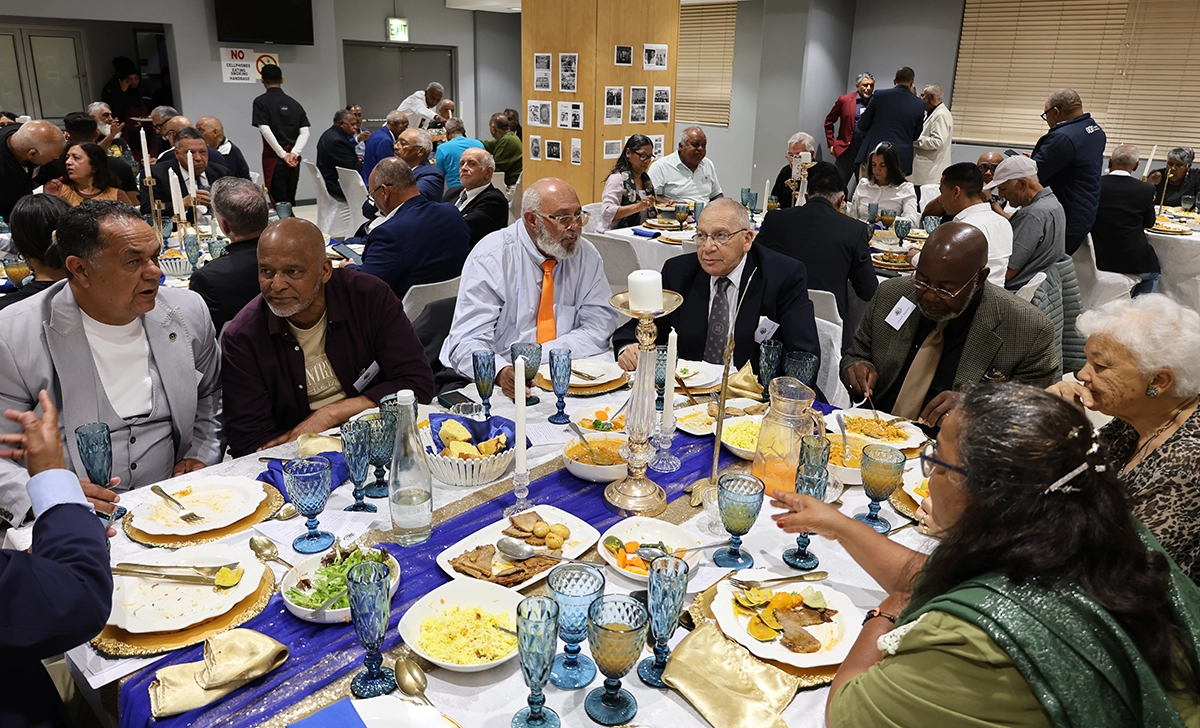
After the BGM, programme director Junaid Daries opened the gala dinner, requesting national PRO Morgan Pillay to lead the event with a poignant universal prayer.
“We come before you today with humble hearts, giving thanks for the gift of life and for the beautiful game of soccer that has brought us here,” he prayed.
He remembered “those who played on the field, those who coached from the sidelines, those who managed teams, those who served as administrators, and those who worked tirelessly behind the scenes to develop and promote the game.”
He gave thanks for the memories they left behind, the victories they celebrated, the challenges they overcame, the friendships they built and the inspiration they gave to generations of players.
“May their souls rest in eternal peace,” he prayed. “May their families find comfort and strength in knowing that their loved ones’ contribution will never be forgotten.”
Daries reminded guests that the organisation’s legacy is “to ensure that Federation football is not left as a footnote in the annals of South African history”.
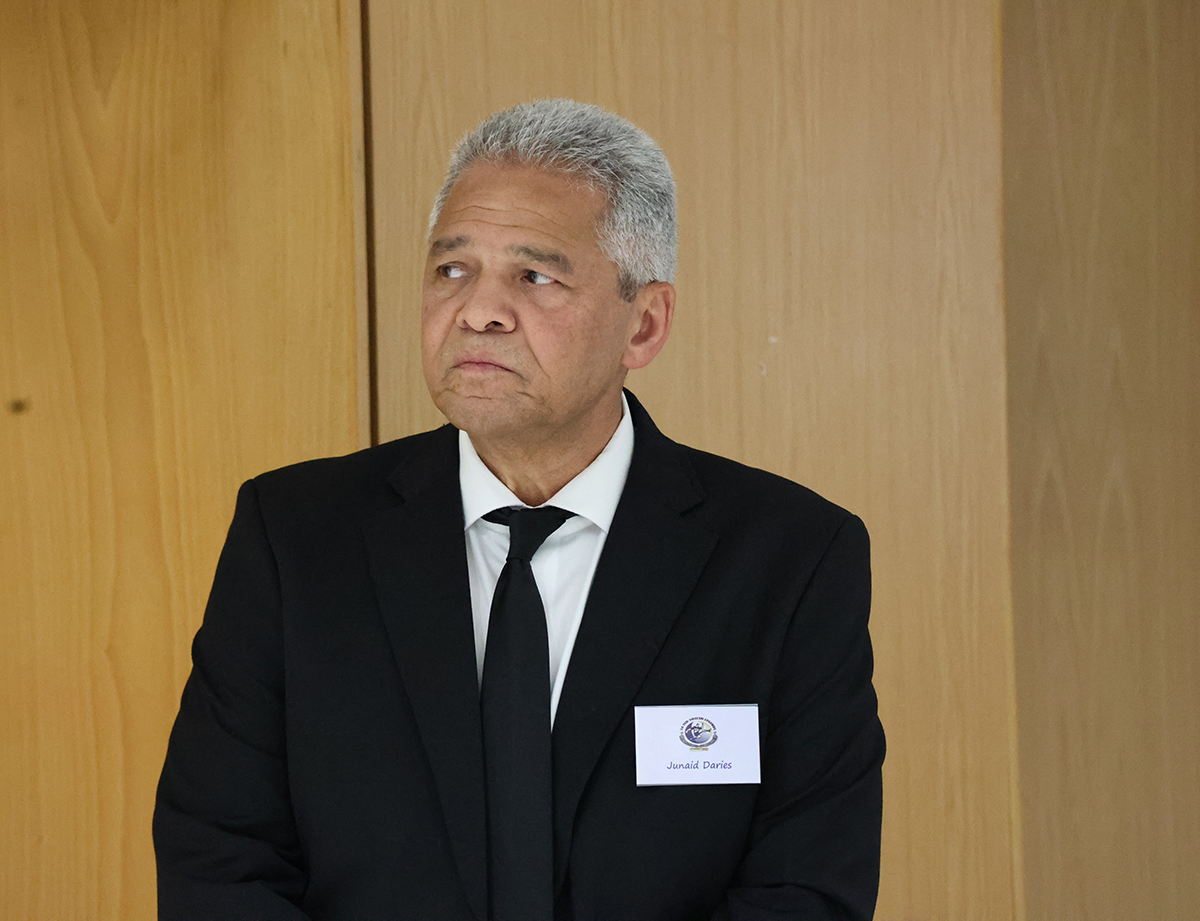
Western Province deputy chairperson Steven Adriaanse led the candle-lighting ceremony for those in the FPL who have passed on.
“Legends never truly die,” he said. “They continue to live through the actions of those they leave behind.”
In his welcome, Solomons recalled what the Federation achieved without resources.
“No real big stadiums, but we filled stadiums,” he said, describing a local game at Athlone that drew 25 000 on a Monday night. “No TV cameras, no real exposure, but passion.”
Guest speaker Dr Iqbal Survé, of sponsor Survé Philanthropies, was ill. His message was read by Dr Thulja Trikamjee, daughter of the late Ashwin Trikamjee.
She first shared that, hours before her father died, she heard him say, “He’s got a goal,” reflecting that even on his deathbed he had soccer on his mind.
Survé wrote that from 1951 to 1992 the Federation “practised the non-racial South Africa that the rest of the country was still fighting for”.
Recalling his time as Bafana Bafana team doctor, he wrote: “Every Bafana Bafana player since then has stood on your shoulders.”
Preserving these stories, he added, “is not nostalgia; it’s nation building. A nation that forgets its heroes cannot expect to produce new ones.”
For young people without work or hope, he wrote, “a club, a coach and a team can give a young person structure, a mentor and a reason to get up in the morning.”
The value of legends
National secretary Haroon Mahomed moderated a panel on “The value of Soccer Legends for us”. He began with the question posed to Andrew Bothman of SAFA Cape Town: Are legends still relevant?
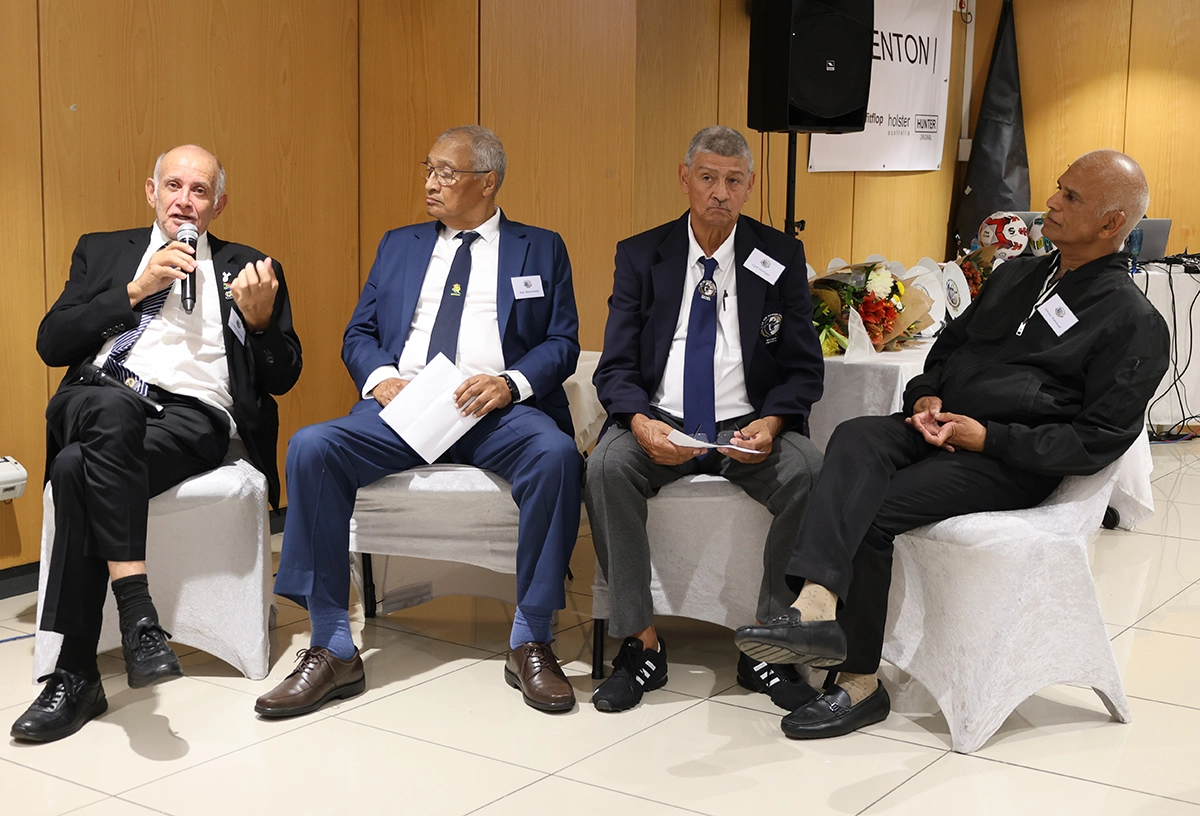
Bothman said legends are a working part of football in the city.
“When we’ve got competitions running, we always use them, the knowledge they come with,” he said. Legends adjudicate players and goalkeepers at SAFA Cape Town tournaments. “The legends are important for us at Cape Town. It’s always been, always will be.”
He admitted the association could do more, with finances the main constraint, but said SAFA Cape Town supports the Legends’ fundraising and has formed a partnership with them.
“We can’t give you everything, but sometimes we can give you halfway,” he said. “Whenever there’s things you need, come and speak to us.”
He also urged the legends to take up wall space offered at Athlone Stadium: “Our history’s not on the wall. It’s about time we get our history on the wall.”
You may also want to read


Former Western Province Football Board and SAFA Western Cape administrator Alex Abercrombie said legends include reporters and photographers as well as players, referees and administrators, and recalled that administration was once voluntary.
“People did not serve for money, but for the love of the game,” he said.
He urged the Legends to register as a non-profit company or public benefit trust so donors receive tax certificates.
Former Cape Town Spurs, Glenville and Glendene player Cyril Murrgian said Legends’ work “is about people, belonging and the contribution that the football community can still make”.
Recognition matters, he said, “but so does a visit when someone is ill”.
He proposed priorities of welfare, heritage recording, mentoring and stronger organisation.
“Let us honour yesterday’s contribution through what we do for people today and what we leave for tomorrow.”
Football was our resistance
In his keynote address, Solomons said no one can join or resign from the Legends: “If you were a legend, you were a legend permanently.”
“We became legends because we had each other,” he said. “We played on gravel. We played in streets. No sponsors, no medical aid, no pension. Only the love for the game. Football was our resistance.”
He then challenged the room. “Apartheid ended on paper. But look at us sometimes today, fighting over positions. Jealousy is a new Apartheid in our hearts. Leadership is a service. If one legend is honoured, we are all honoured.”
The Legends’ purpose, he said, is “to honour those who came before us and never got their flowers”.
He closed: “We are the South African Federation Legends. Not because we are old, but because we survived something that was meant to kill us. Let us vote on the kind of ancestors we want to be.”
Flowers to those who earned them
Tokens of appreciation honouring deceased founders and pioneers, including Ashwin Trikamjee, Don Woodley and Bernard Hartze, as well as clubs, referees, administrators and regional nominees were presented.
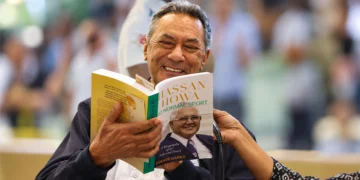
A copy of the history book, A Glimpse into the Past: Triumph over Adversity, was presented to Dr Trikamjee, with copies promised to each region.

Dr Jeremy Wyngaard, formerly of Cape Town Spurs, gave the vote of thanks, recalling a childhood Monday-night derby at Athlone and calling for the stadium to be declared a heritage site.
“Tonight we have celebrated a football heritage built through talent, sacrifice, courage and service,” he said.
The Federation’s legends left Athlone with a new constitution, new leaders and a plan to 2030, determined that their history will never become a footnote.


