

































![The market-builder who restrained the market [Part 2]](https://muslimviews.co.za/wp-content/uploads/2026/08/PHOTO-2026-08-25-17-16-32-360x180.jpg)
![The merchant preceding the Prophetic mission [Part 1]](https://muslimviews.co.za/wp-content/uploads/2026/08/01-360x180.jpg)




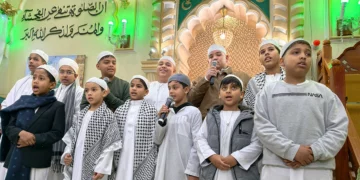






SHAMEEMAH JAHED sheds light on the vital role faith-based organisations play in the philanthropy sector and questions why they are overlooked in favour of secular non-profits.
AS fundraising professionals, and leaders in the non-profit sector we understand that the landscape of philanthropy is vast and diverse. It’s no secret that social-good causes run by faith-based non-profit organisations, play a crucial role in addressing societal challenges. However, navigating the complexities of fundraising within this sector often comes with its own set of challenges, as with any organisation.
With over a decade of experience in special projects, events, and fundraising across various donor, philanthropic platforms and non-profit sectors, I’ve witnessed first-hand both the incredible contributions and impact of faith-based organisations.
In this article, I wanted to shed light on the vital role of faith-based organisations. Hopefully, this will dispel some misconceptions while highlighting that true philanthropy knows no bounds.
It’s no surprise that in the context of philanthropy, multilateral funding and corporate social investment (CSI), the spotlight often shines on secular non-profits. Meanwhile, faith-based non-profits often find themselves vying for the same attention and acknowledgement, despite their significant contributions to the world. While their brand and registered names may reflect a particular faith, their missions often transcend religious boundaries – which is to serve those in need irrespective of their religious beliefs. This inclusivity is a testament to their commitment to being of service to all of humanity.
If you look behind the scenes, you will often find these organisations creating profound impacts that transcend religious boundaries and include diverse communities. It may come as a surprise to learn that many faith-based organisations offer support and capacity to secular organisations, especially when it comes to disaster relief, humanitarian aid, volunteering, and beyond.
Perception versus reality: One of the most prevalent misconceptions about faith-based organisations is that they exclusively serve a particular faith community. Far from the truth. Overcoming this challenge requires awareness, proactive communication, and transparency. Storytelling, articulating an inclusive mission, and demonstrating tangible evidence of impact across diverse communities are essential. By highlighting stories and fostering collaborations, faith-based organisations can reshape perceptions and garner trust and support from a broader audience.

Despite facing numerous challenges, one being navigating a fiercely competitive funding landscape, faith-based organisations continue to stand as beacons of hope and resilience. People see it, experience it, appreciate it, and welcome it. These organisations possess a profound understanding of the communities they serve and frequently emerge as front-line responders in times of crisis, providing vital aid and support. Their remarkable agility and operational readiness in delivering rapid relief often surpasses that of larger, secular organisations. This highlights their exceptional efficiency and effectiveness.
Donors and funders may hesitate to contribute to faith-based organisations due to concerns about religious affiliations or misconceptions. However, beyond financial assistance, there are various ways to provide support, including capacity building, resource sharing, volunteering, and thought leadership. By leveraging external expertise and networks, these stakeholders can play a pivotal role in helping faith-based organisations strengthen their capacity, impact and sustainability.
Joining forces with communities, businesses, philanthropists, and government entities forms the backbone of impactful and powerful partnerships. With more hands on deck, you not only amplify impact but also advance towards sustainability. However, growth must be strategic, measurable, and purposeful.
Let’s consider a hypothetical scenario:
Hungrow, is a faith-based non-profit organisation. Their focus is food security and combating hunger in under-served rural communities. They run secular programmes with other stakeholders and non-profits intending to foster self-sufficiency. Rather than just providing food hampers and meals, Hungrow, together with its partners runs a programme that empowers youth and community leaders with skills, resources, and support that will prepare them for work readiness. The programme also empowers these beneficiaries to grow, become self-reliant, pay it forward, and become active members of society.
Hungrow’s mission extends beyond simply feeding people; it’s about equipping them with the tools they need to thrive independently as a collective community. Hungrow understands that perpetuating sole reliance on food aid is neither sustainable nor impactful in the long term. Their mission revolves around addressing food security and poverty through education, skill development, and strategic partnerships. They understand the power of collective resources and collaboration.
To overcome these hurdles, faith-based organisations must adopt a strategic, and open-minded approach to diversified fundraising. The use of technology and the advent of AI can enhance fundraising efforts like never before – providing a platform for a worldwide audience. Engagements and collaborations with secular organisations and government entities can also expand their reach and enhance their credibility within the broader philanthropic ecosystem. Such collaborations will not only strengthen their capacity but also attract support in areas outside their expertise.
By breaking down barriers, fostering collaborations and partnerships, and staying true to their missions in serving humanity, faith-based organisations can unlock and open many doors to drive growth, positive change, and sustainable impact.
You may also want to read


As we navigate the complex landscape of philanthropy and social impact, it’s essential to recognise and acknowledge the invaluable contributions of faith-based organisations. Collectively, we should continue to advocate for inclusivity and diversity in the non-profit sector, to ensure that all organisations, both faith-based and secular receive the support and recognition they deserve for their tireless efforts and service to humanity. When we embrace diversity and inclusivity, we make room for a more equitable and respected non-profit society.
- Shameemah Jahed is an independent non-profit consultant.
This article was first published on www.hashtagnonprofit.org