


![Does ta’wīl mean interpretation or fulfilment? A Quranic reassessment [+video]](https://muslimviews.co.za/wp-content/uploads/2026/10/Tawil-Kaskas-360x180.webp)








![Why becoming a wealthy Muslim is commendable in Islam [+videos]](https://muslimviews.co.za/wp-content/uploads/2026/09/Muslim-Trade-Business-1-360x180.webp)




FATHIYAH AZIZ vents her feeling on the erasure of her heritage that stretches back 300 years. She argues there is a deliberate attempt to ‘erase the footprints we’ve left all over this land and act like Cape Muslims were never part of South Africa.’
What did I just hear? What felt like a ball settled in my throat. The floodgates of tears could no longer hold it in. And once one tear falls, there’s no stopping it.
‘I will need a confirmation later. From some authority. Perhaps your local Imam. A letter to confirm that you… Layla celebrated Eid on Monday when the original test was written and that yes, you’re Muslim too. I’m going to need that in writing, dear.’
It’s not that I didn’t hear what he said. It was the utter shock. The idea that I would need to present my beliefs on paper — as if I don’t already do it daily through my dress code — to be allowed to write a sick test, left me flabbergasted. I missed the test because I was celebrating the end of Ramadan, the holiest month of the Islamic year.
It wasn’t just this that shocked me. It was the audacity of my lecturer to imply that I was the problem, when I clearly informed and reminded him about this festivity — Labarang (Eid) — that could potentially fall on either of the two days I sent him, according to the Islamic calendar. Why would he ignore that and still fix the test date as he pleased? You know what? Forget this. Forget this petty test date. Call it a simple confusion if you will. It’s nothing really. Just one incident, once in a lifetime. Anyone can make a mistake, right?
But no. I can’t forget. I can’t ignore these multiple instances. I can’t forgive.
Because it was never just about the test.
It’s about 300 years of erasure.
300 years of being questioned.
300 years of being here but not seen.
I can’t forgive because I live in a democratic country. My rights are supposed to weigh just as much as anyone else’s. I am a proud Cape Malay Muslim young lady. My roots and ancestry run deep. If not now, then when will my people be accepted? This is my country. And I love my country. I love my culture.
Just days ago, Muslim marriages were officially recognised by the South African state.
Let that settle for a moment.
For over 300 years, Muslim unions — our families, our commitments, our love — were not seen as valid in the eyes of the law. Were we not families before? Did our marriages not count? Did our children not belong?
Still, we moved forward. We kept building. Kept praying. Kept surviving. We are still becoming recognised. Still standing after centuries of being overlooked.
And yet, so many people choose to forget.
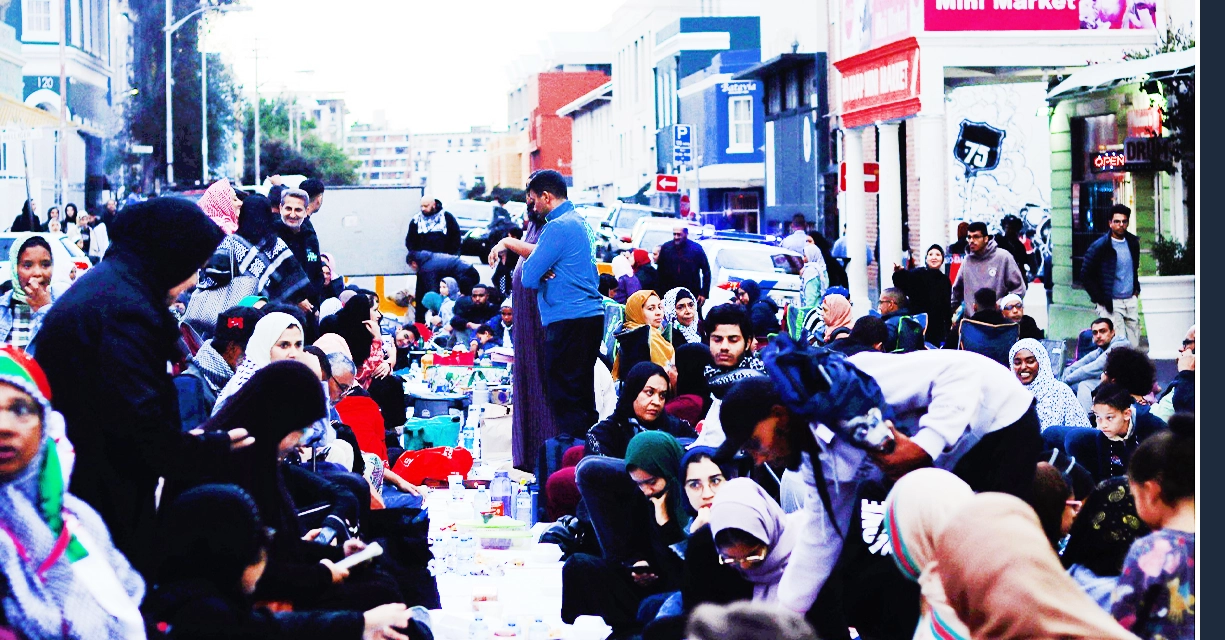
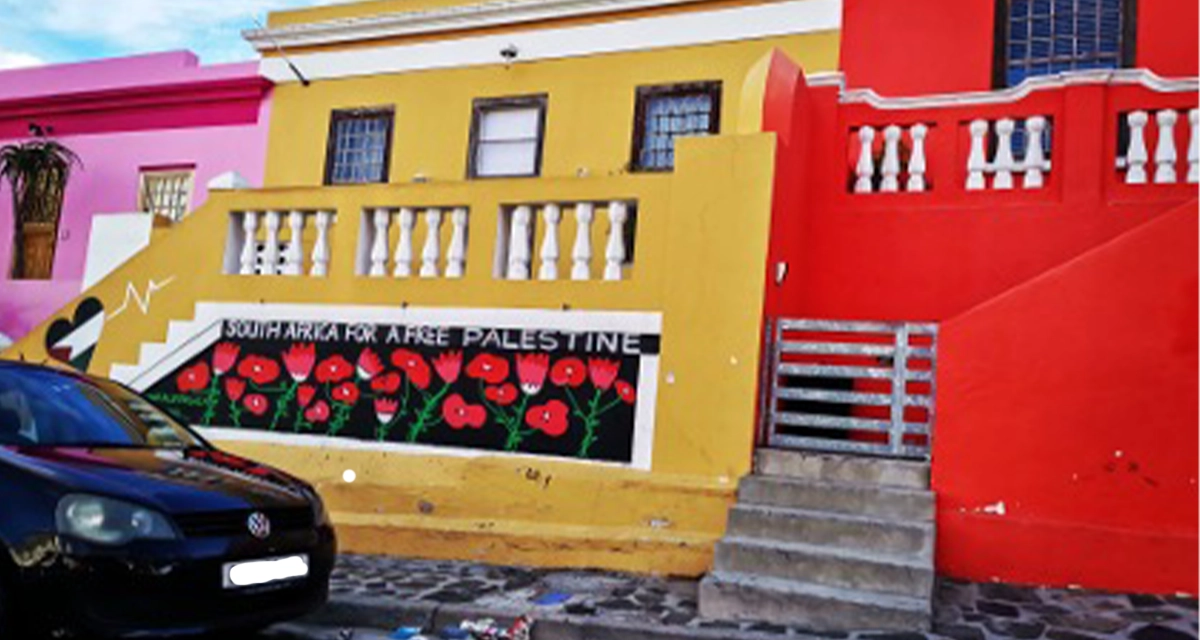
People will ignore the fact that gentrification took place in the city centre — and continues till today, with its sky-high rent forcing our people out of the very places they built. Let’s ignore the many karamats — the sacred tombs of our Muslim saints — scattered across Cape Town, watched over, visited, and wept at in prayer. Let’s pretend the Auwal Mosque, the oldest mosque in South Africa, established in 1794 right in the Bo-Kaap, doesn’t exist. Let’s erase the footprints we’ve left all over this land and act like Cape Muslims were never part of South Africa.
As if we are foreigners in our own home.
But we know better.
It is a culture that can never be found anywhere else on earth. The culture that created the Cape Malays — the cornerstone, one of the main contributors to the Afrikaans language, found only in South Africa. My roots run through Europe, Asia, and Africa. How long must we wait for acceptance? How long after 300 years of our existence will we be recognised as the people who brought Islam to the Cape, establishing the first — and now the oldest — mosque in Southern Africa?
Will we not be recognised for our unique architecture, our colourful houses and Ottoman architectural influence? Will we not be seen for the food we created out of survival in slave times — food we still eat today?
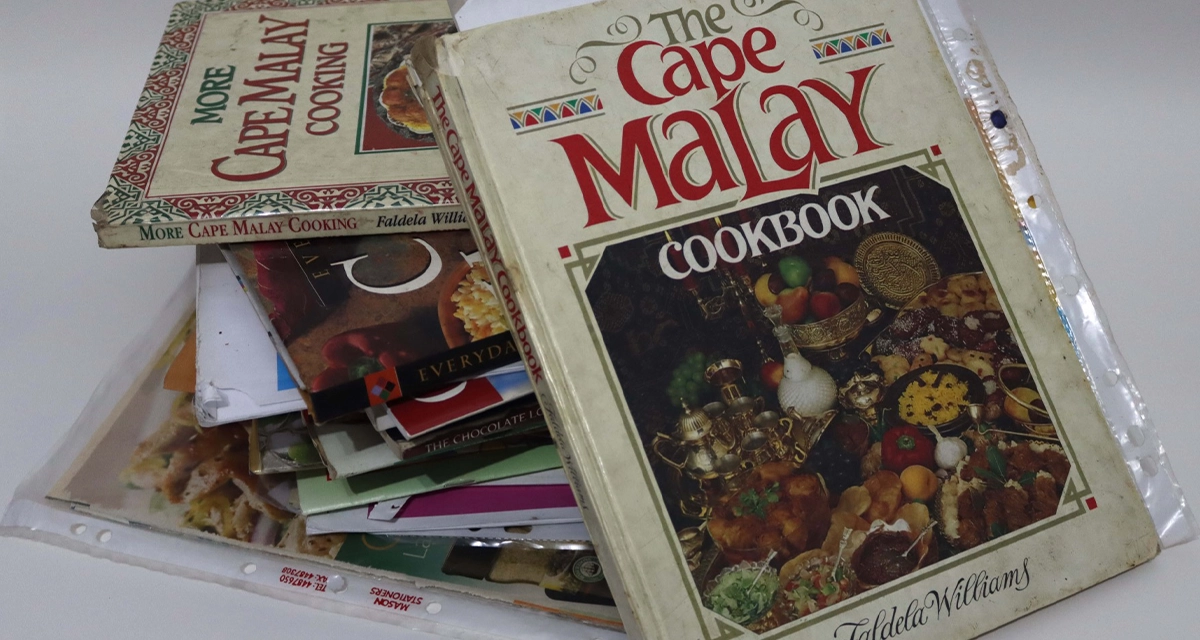
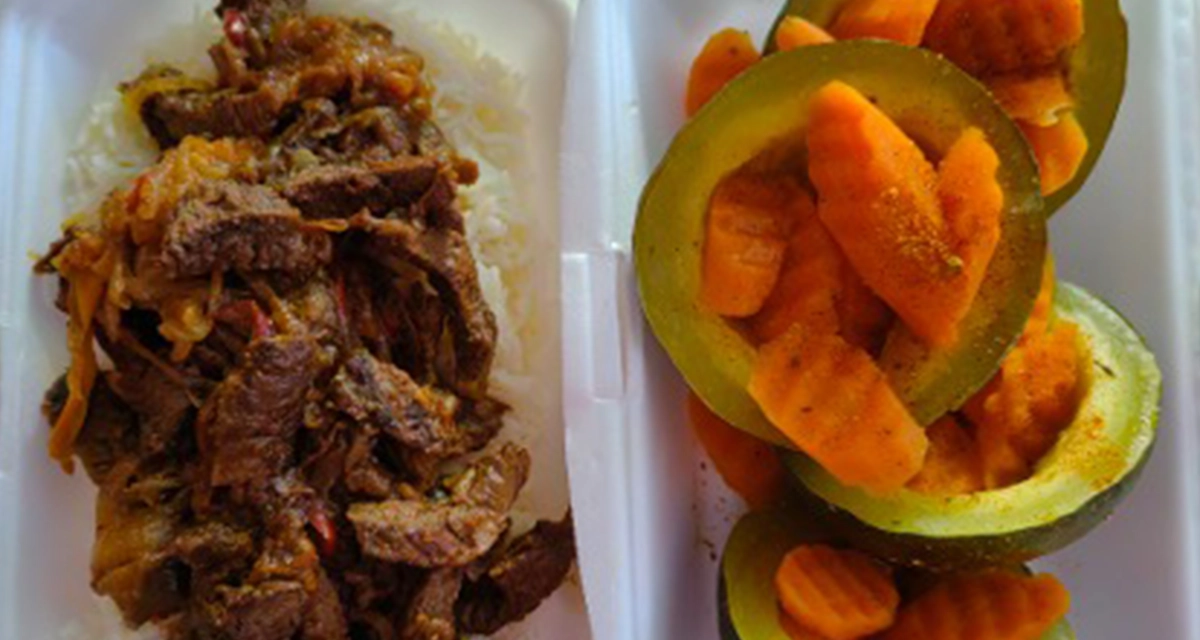

My favourite denningvleis (sweet and sour tamarind lamb stew), Cape Malay curry on Fridays after Jumu’ah (Friday congregational prayer), bobotie (spiced mince with a savoury custard topping), aromatic, hearty breyani (fragrant spiced rice and lentils with meat or chicken) — the careful layering of breyani, each grain of rice a reminder of patience and presence.
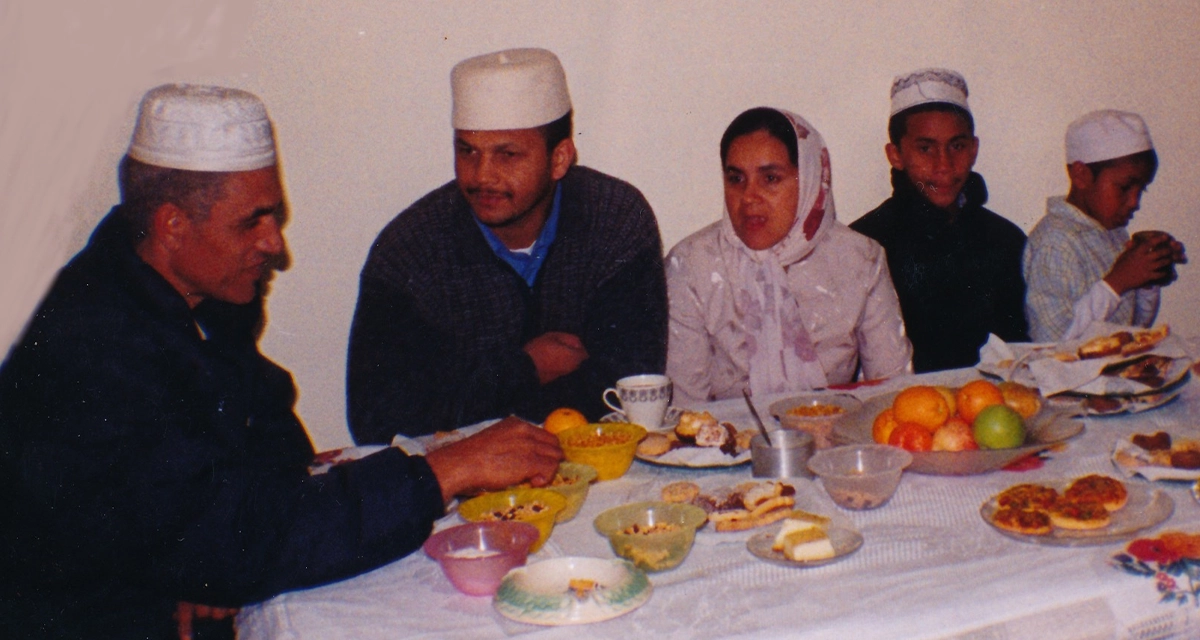
I can just smell the sweetness of freshly syruped koesisters (spiced doughnuts soaked in syrup and rolled in coconut), the boeka treats (snacks eaten to break the fast during Ramadan), the mass boekas (community iftar gatherings), and the barakats (gift packs of food) that follow every religious or celebratory event.
And yes… you didn’t just get the premixed boeber packets from your own kitchens… it was us. Our grandmothers who stirred boeber — warm rosewater milk laced with vermicelli and cardamon — on the 15th night of Ramadan and after the Thursday evening Gadaats (religious gathering or spiritual recital). Now, everyone makes a watered down version of it using premix packets found in supermarkets, forgetting its sacred legacy. We are the hands that rolled and folded samoosas on days before Ramadan, layering our love in every triangle. We, the ones who created the Cape Malay samoosa, now renamed ‘hot pockets’ in supermarkets to fit foreign tongues. The fusion of Persian, Indian, and Southeast Asian flavours birthed falooda (a cold dessert with milk, rose syrup, and sabja seeds), now reduced to what… a strawberry milkshake on a shelf, somehow never screams cultural appreciation but rather appropriation.
The aunties frying daltjies (spinach and chilli fritters) as the Maghrib adhan (call to prayer) echoed in my mind, just thinking of the original daltjie is now a ‘chilli bite’ to meet the standard of people who don’t recognise our heritage.
And then the legendary Hertzoggie. Now this one has a bit of history that needs explaining.
Created by Cape Muslims, particularly within the Cape Malay Muslim community — and it carries a fascinating political and cultural backstory. This traditional South African tartlet-style cookie with a shortcrust pastry base, topped with apricot jam and coconut, is often baked for Eid or other festive occasions by Cape Muslim families.
Who created it? While it’s not officially documented in early cookbooks, oral history and community traditions strongly credit Cape Muslim women (especially in Bo-Kaap) for inventing and popularising the Hertzoggie. It’s one of the few South African baked goods uniquely tied to political expression.
The political story behind the name: The name ‘Hertzoggie’ comes from JBM Hertzog, a South African Prime Minister in the 1920s–1930s. Cape Muslims supported Hertzog because he promised to give equal rights to the Coloured (including Muslim) community. As a symbol of support, Muslim women reportedly created and named the cookie after him. However, when he didn’t follow through on all his promises, a new version of the cookie was born — the twee-gevreetjie (two-faced) — to express disappointment.
The Hertzoggie became more than a traditional biscuit — it symbolised the political voice and awareness of Cape Muslims under colonial and apartheid conditions. Today, it remains a beloved treat, served on Eid, at weddings, and in Bo-Kaap tea rooms — often alongside other Cape Malay confections.
…Only to walk into a shop and have someone ask me which country I’m from.
Yes, I understand — I may look like I’m from Dubai. Or perhaps that’s the only ‘Arabian’ place they know — not even a country could be named. And then comes: ‘Okay, so you’re from South Africa, but where are your parents from?’ The same answer: South Africa. And then they ask again: ‘But I mean, where’s your kind from, your roots, like your ethnicity…?’
You may also want to read


![Does ta’wīl mean interpretation or fulfilment? A Quranic reassessment [+video]](https://muslimviews.co.za/wp-content/uploads/2026/10/Tawil-Kaskas-120x86.webp)
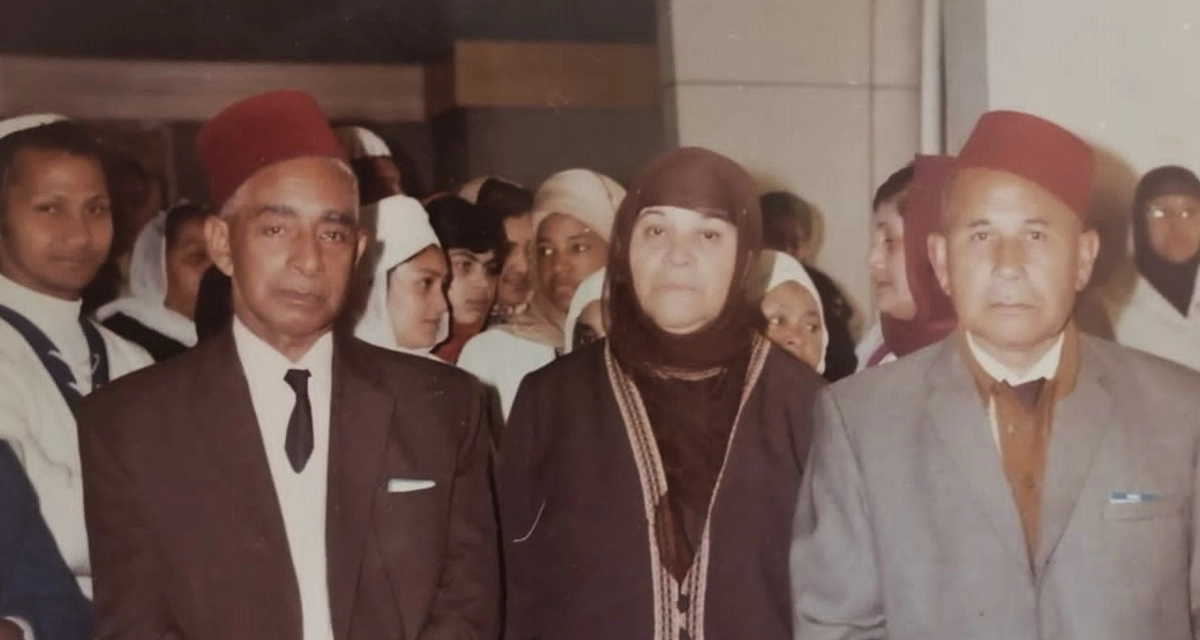
Have we come to a point where we are democratic only on paper but not in practice? Does my hijab, my modest clothing, make you so uncomfortable that you feel the need to search me before and after shopping at the mall? Do my actions — simple, dignified, and respectful — cause you unease? When I, a South African, a Cape Malay, someone whose people have been here for centuries, still feel like I don’t belong?
Do you not know that this country celebrates differences and uniqueness not found anywhere else on earth?
Coming to Southern Africa centuries ago, we were slaves. Over time, my lineage evolved. Not just Indonesian, Indian, Malaysian, but Dutch, English, Italian, and Irish somehow wove into our blood through intermarriage. But still — first slaves, then poor, then liberated, then oppressed by apartheid, and now… now it feels like we are being enslaved again in broad daylight.
Then a shift happened — post-apartheid. But wait. I’m not White. I’m not Black. What happens to me?
Too Black to be White. Now too White to be Black.
When does it end? Where does it stop? In this so-called democratic country, when will the middle people — those who don’t fit neatly into boxes — finally find peace?
So while I sit here counting my blessings, thinking of how much I’ve been given, I also think of the past. I think of the future. I know one thing for sure — no matter what happens. I will never forget my past. I will protect my future. I will stand for my land and its people.
I slowly stood up and, with all the calm I could gather, politely said:
‘No. I won’t provide that letter you asked for. This is a free country. My beliefs are being questioned, and I find it disturbing and uncomfortable to have to explain myself to you. On paper, this country protects me. Please make the arrangements for the sick test and provide the lesson time and location for a catch-up on the work you covered on Eid.’
Because enough is enough.
Fathiyah Aziz is a university student from Strand who believes that 300 years of erasure is enough. As a proud Cape Malay, she writes to preserve what history tried to silence — the voices, flavours, and traditions of her people. Through storytelling, she honours the legacy of her elders, carrying forward the memories, struggles, and culture they fought to protect. For her, writing is not just a passion, but a form of resistance — a way to remind the world that the Cape Malays have always belonged.