


















![The market-builder who restrained the market [Part 2]](https://muslimviews.co.za/wp-content/uploads/2026/08/PHOTO-2026-08-25-17-16-32-360x180.jpg)
![The merchant preceding the Prophetic mission [Part 1]](https://muslimviews.co.za/wp-content/uploads/2026/08/01-360x180.jpg)



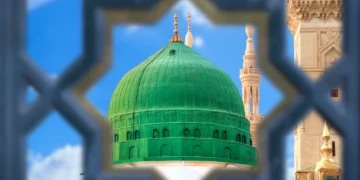




Mowbray Muslim Cemetery is a sacred archive of Cape Muslim history, housing heritage sites linked to scholars, activists, saints and anti-apartheid leaders. On this basis, the writer argues, the cemetery – in its entirety – deserves formal nomination and declaration as a National Heritage Site.
By ANWAR OMAR
THE Mowbray Muslim Cemetery occupies a unique and deeply layered position within the Cape Muslim heritage landscape, having been established less than two months after the Tana Baru was officially closed on January 15, 1886.
The Moslem Cemetery Board officially convened on February 28, 1886, and the first burial at the Mowbray Cemetery took place on March 10, 1886 (Wills, 2023).
Remarkably, the new cemetery became operational within about 55 days of the Tana Baru’s closure – an astonishing achievement, given that it required identifying suitable land, negotiating its purchase, raising the necessary funds, securing legal guarantors, navigating municipal opposition, and physically preparing the ground, all while the community was simultaneously grappling with the aftermath of the January riots and the imprisonment of Abdol Burns (Wills, 2023).
This cemetery therefore transcends being merely a burial space; it is a sacred archive of memory, spirituality, resistance and community formation.
Most Muslim families at the Cape have relatives interred here, imbuing the site with both collective and intimate significance. On a personal level, both my parents and three of my grandparents are buried there. My family, like many others, has traditionally practised the reuse of existing family graves for subsequent generations, a tradition that reflects the enduring connection between the living and the dead.
However, a striking paradox emerges upon closer examination. Despite its immense significance, only a handful of graves have been formally recognised as heritage sites at either national or provincial level. This article maps those designations, profiles the individuals acknowledged, and makes the case for the cemetery’s declaration as a National Heritage Site in its entirety.
National Heritage Sites
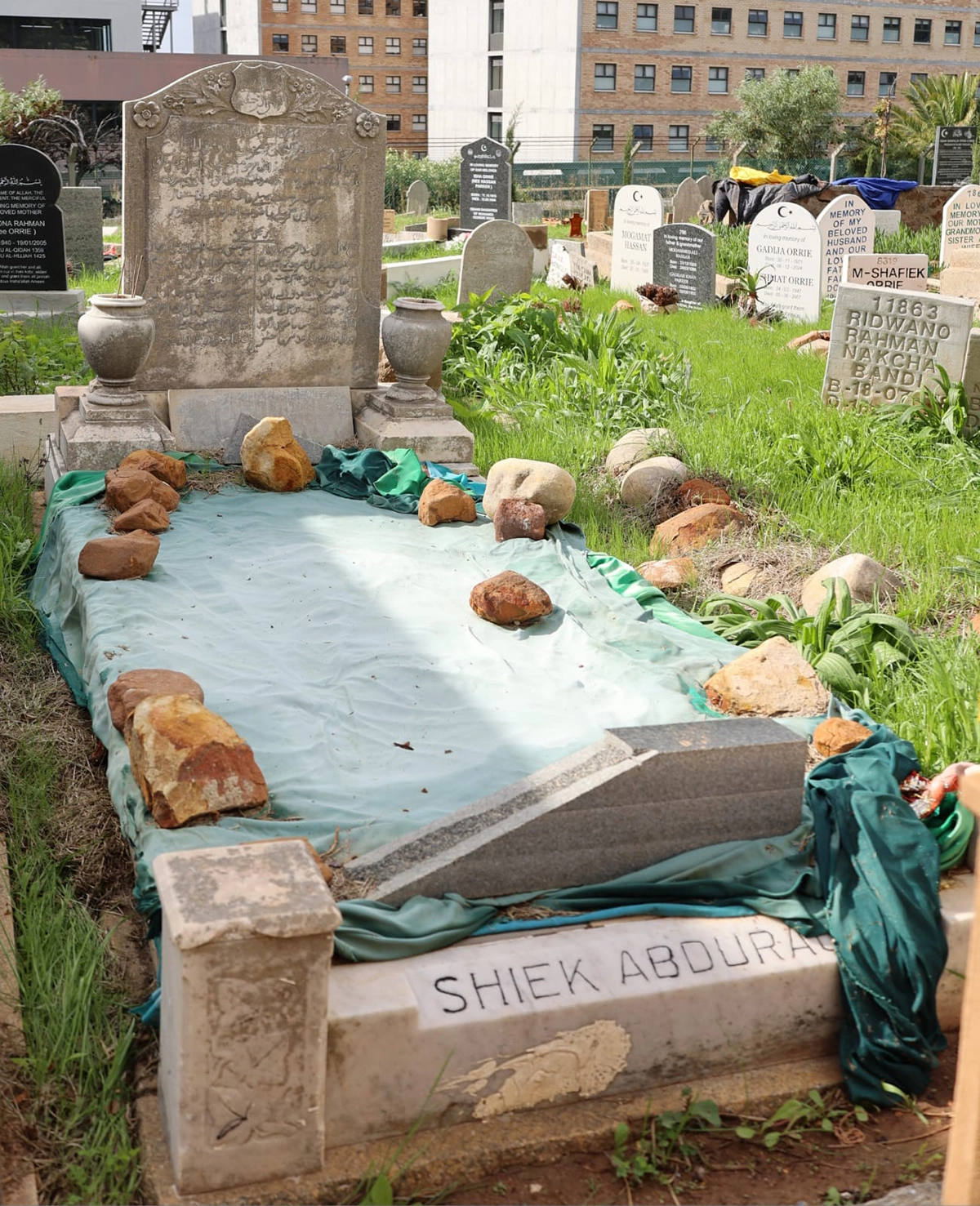
In Government Gazette No. 45602, published on December 3, 2021, the South African Heritage Resources Agency (SAHRA) designated a number of kramats that are part of the historic Circle of Tombs as National Heritage Sites. Among these are two sacred sites located within the Mowbray Muslim Cemetery: the kramat of Shaykh ʿAbd Al-Rahīm Al-ʿIrāqī and the shrine of Sayyid Muhṣin Al-ʿAydarus Al-ʿAlawī.
The Gazette recognises these kramats not for architectural grandeur, but for their profound spiritual significance, their historical impact in the fight against colonial oppression, and their contribution to the formation of Islam at the Cape. They are portrayed as living sites of devotion, visited by Muslims and non-Muslims alike, and are associated with the Auliyāʾ (Friends of Allah) across generations.
Sheikh ʿAbd Al-Rahīm Al-ʿIrāqī
According to Morton (2025, pp. 251-255), Sheikh ʿAbd Al-Rahīm arrived at the Cape in 1889 at the invitation of Sayyidah Oemie Salama, a respected scholar and daughter of Imam ʿAbd al-Rakīep, the grandson of Tuan Guru. He quickly established himself as an exceptional teacher, operating a thriving madrassah and mentoring Imam Abu-Bakr ʿAbd al-Raūf from Claremont.
Morton (2025, pp. 252-253) notes that he mastered Afrikaans, authored several Arabic-Afrikaans texts, and engaged with important jurisprudential debates of his era, including the jumuʿah question of 1911. Known for his spiritual gifts and said to possess gravity-defying abilities, he led the first Friday prayer at the Zinnat al-Islam Mosque in District Six in 1920.
After more than half a century of devotion to the Cape Muslim community, he passed away in December 1942 and was laid to rest in Mowbray (Morton, 2025, pp. 254-255).

Sayyid Muhṣin Al-ʿAydarus Al-ʿAlawī
Sayyid Muhṣin, a direct descendant of the Prophet Muhammad صلى الله عليه وسلم, was born in Hadhramaut, Yemen, and made his way to Cape Town in 1909, joining the broader migration of Hadrami scholars across the Indian Ocean (Morton, 2025, pp. 245-246).
He settled permanently in 1927 and developed a close relationship with Shaykh Muhammad Ṣāliḥ Hendricks of Walmer Estate. Through regular dhikr gatherings, Ratīb al-Haddād recitals, and the promotion of taṣawwuf, he deepened the Sufi traditions within the Cape community.
Highly respected for his piety, oral tradition recounts many karāmāt (miraculous events) associated with him, including a close encounter with a lion at Rhodes Zoo. He passed away in 1934 at the age of 47. His followers constructed a kramat at Mowbray, the first such structure at the Cape in over a century, which remains one of the most significant spiritual landmarks in the Cape Muslim sacred landscape (Morton, 2025, pp. 246-249).
Provincial Heritage Sites
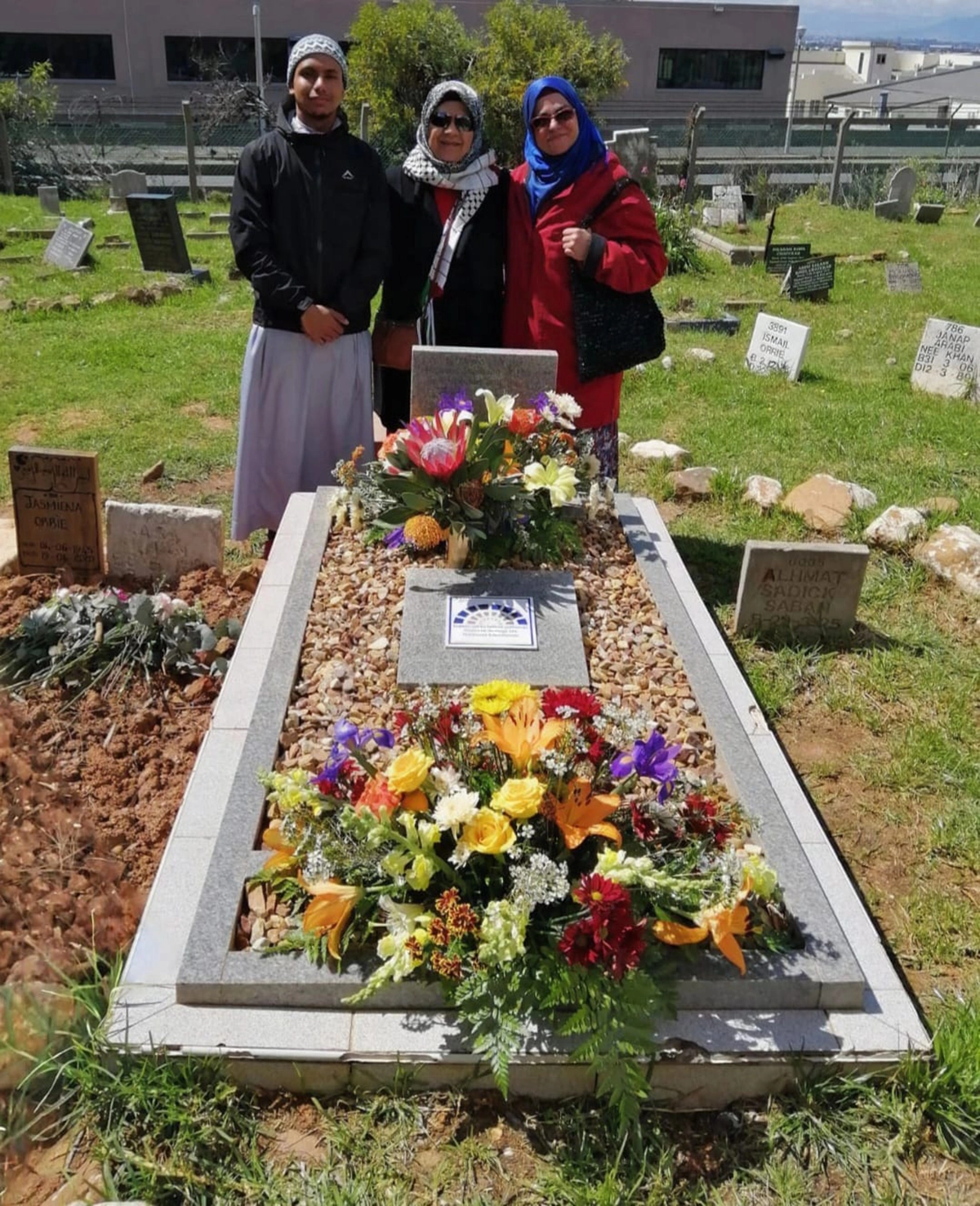
Imam Abdullah Haron (P.N. 003/2019 dated October 11, 2019)
The grave of Imam Abdullah Haron was formally declared a Provincial Heritage Site by Heritage Western Cape (HWC) on October 11, 2019.
Born in Newlands in 1924, Imam Haron served as imam of the Stegman Road Mosque in Claremont, where he transformed Islamic leadership into a powerful platform for social justice and anti-apartheid activism. Through his work with the Claremont Muslim Youth Association and the Muslim News, he cultivated a politically conscious Muslim intelligentsia at the Cape.
What distinguished Imam Haron was his unwavering belief that faith and justice are inextricably intertwined. He openly condemned the Group Areas Act, supported non-racial liberation movements, and mobilised the mosque as a site of moral resistance (Desai & Marney, 1978; Omar, 1987).
In 1969, he was detained under the Terrorism Act and tragically died after 123 days of solitary confinement and torture. His funeral attracted more than 30 000 mourners, marking a defining moment in the political and religious landscape of Cape Town (Desai & Marney, 1978; Omar, 1987).
Considering the national significance of his legacy – spanning anti-apartheid activism, his martyrdom, and the continued quest for accountability during the re-inquest held between 2021 and 2022 (Omar, 2022) – there is a compelling case for granting his grave National Heritage Site status.
The special permission from HWC allowing his wife, Galiema Sadan, to be laid to rest beside him on September 29, 2019, exactly 50 years after his funeral, further underscores the profound spiritual and symbolic significance of this site.

Imam Abdol Rakīep (P.N. 36/2023 dated March 31, 2023)
Imam Abdol Rakīep is recognised as a descendant of Tuan Guru, directly linking him to the foundational genealogy of Islam at the Cape. A scholar, reformist thinker, and long-serving imam of the Nurul Islam Mosque, Imam Rakīep played a crucial role alongside Hadjee Ozier Ally and Hadji Mohammed Ganief Dollie in establishing and securing the Mowbray Muslim burial grounds for the community (Wills, 2023).
The Provincial Gazette, which designated his resting place as a Provincial Heritage Site, highlights his scholarly contributions in challenging rigid conventional jurisprudential thought, even when such views were widely unpopular. Additionally, he was known as a spiritual healer who assisted all human beings and animals alike.
Further graves warranting formal nomination
Apart from the sites officially acknowledged, several graves within the Mowbray Cemetery hold considerable heritage significance and warrant formal recognition. Herewith are just a few that stand out, while additional sites continue to be thoroughly researched and assessed.

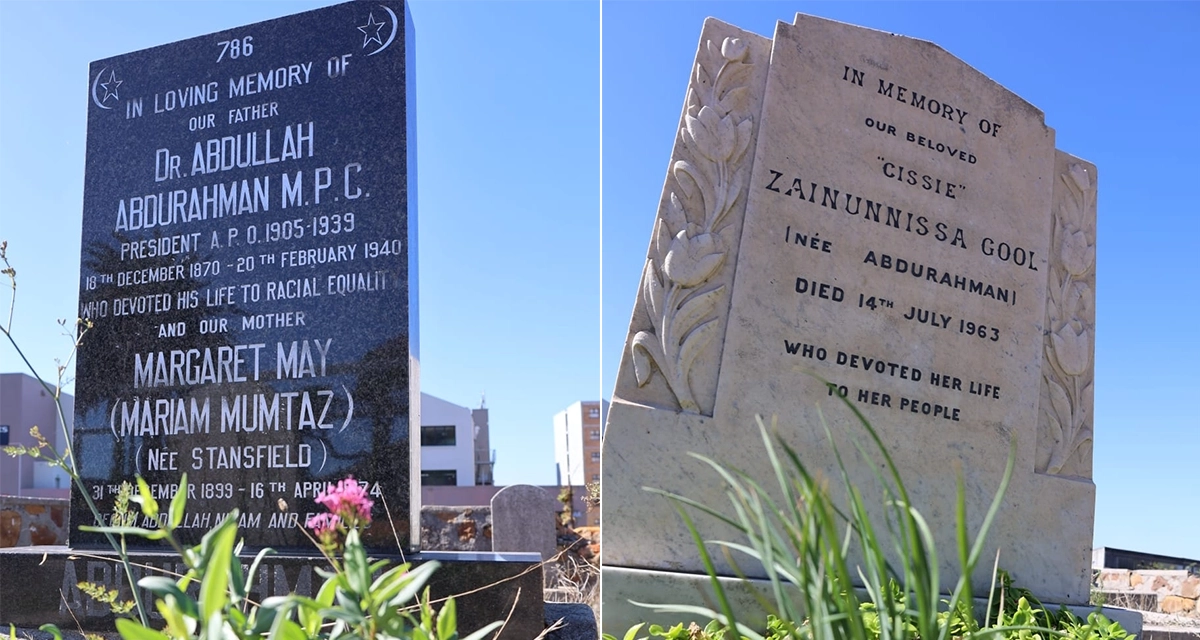
Dr Abdullah Abdurahman and his daughter Zainunnisa ‘Cissie’ Gool represent among the most politically significant figures buried in this area tied to Cape Muslim history.
Abdurahman, leader of the African People’s Organisation, was the first black person elected to the Cape Town City Council in 1904 and one of the earliest opponents of racial segregation in South Africa.
Despite his immense historical significance, his grave appears to carry no formal provincial or national heritage designation (NHC, 2023).
Cissie Gool emerged as a formidable anti-apartheid activist through her leadership in the National Liberation League and the Non-European Front. While her site has been recognised within the Liberation Heritage Route as a heritage site, any indication of its Provincial Heritage Site status is ambiguous and not reflected in an official gazette, nor is there a heritage plaque present at the location.
Both graves merit formal designation (NHC, 2023).
You may also want to read


Sayyid ʿAbd al-Qādir Naqshbandī and Shaykh Muhammad Ṣāliḥ Hendricks are also buried at Mowbray Cemetery. Both figures contributed substantially to the spiritual and intellectual life of the Cape Muslim community; the former through the Naqshbandi Sufi tradition, and the latter through distinguished Islamic scholarship, pastoral care, and the cultivation of generations of students and spiritual seekers.
Their presence at Mowbray Cemetery situates them within the sacred continuum of imams, scholars and saints whose lives shaped the religious development of Islam at the Cape.
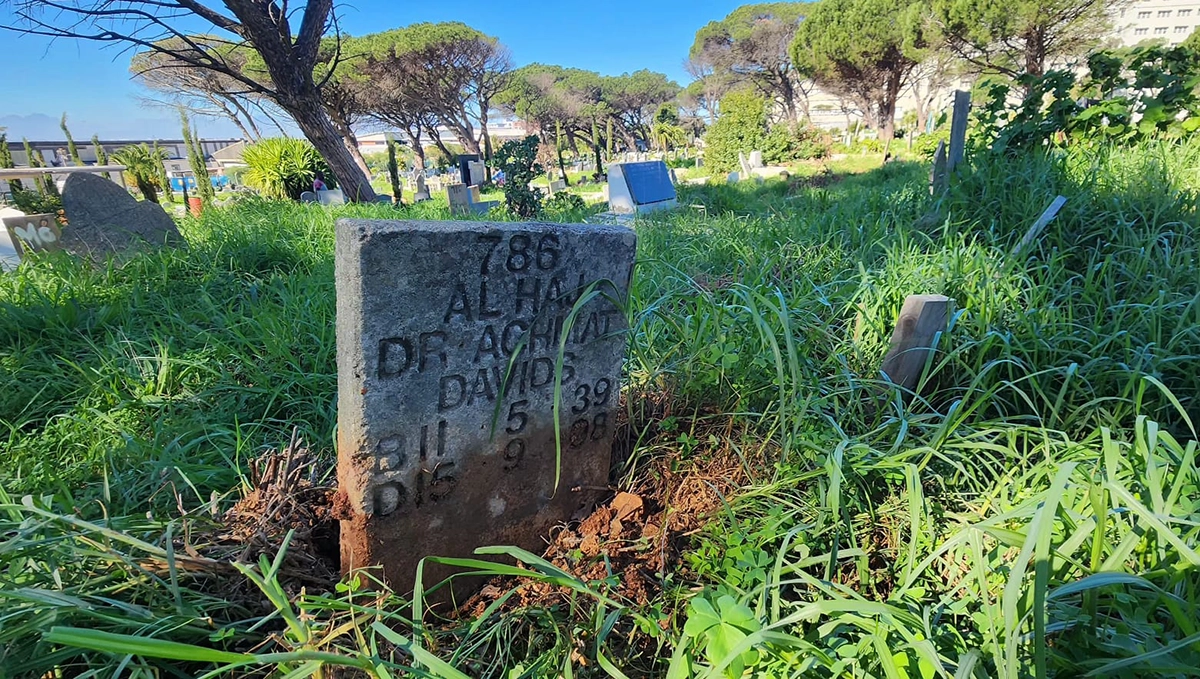
Additionally, the renowned historian and linguist Dr Achmat Davids is similarly laid to rest here.
His groundbreaking scholarly contribution to understanding the Cape Muslim community and pioneering research on Arabic-Afrikaans literature add an intellectual dimension to the cemetery’s heritage significance. His academic contribution holds national significance and should be recognised as such.
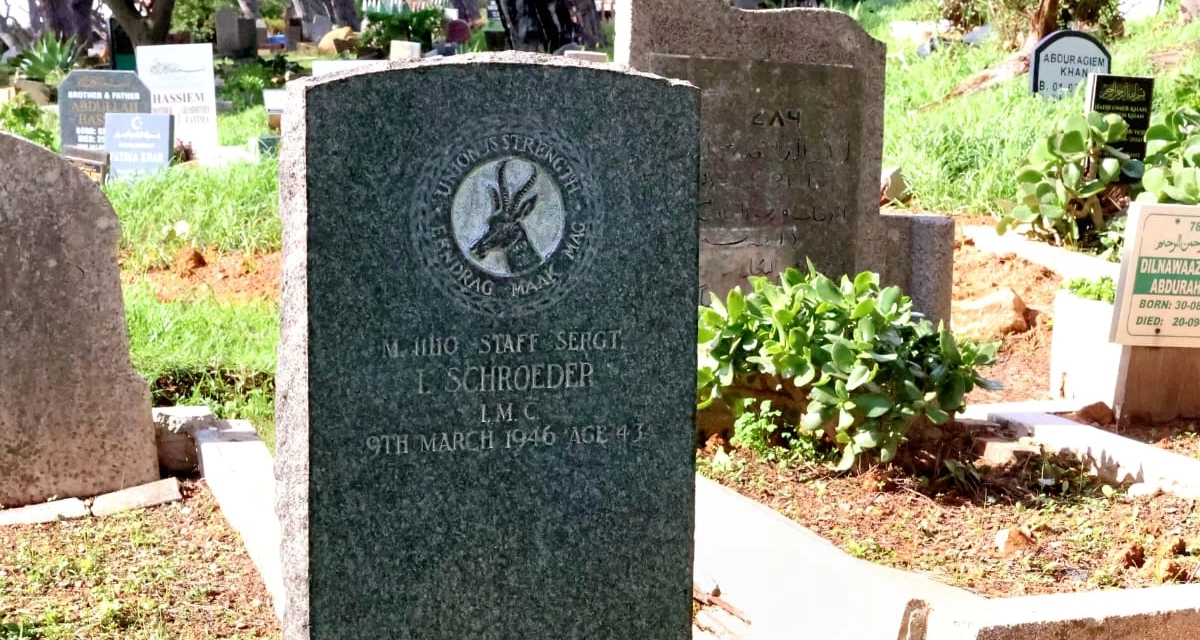
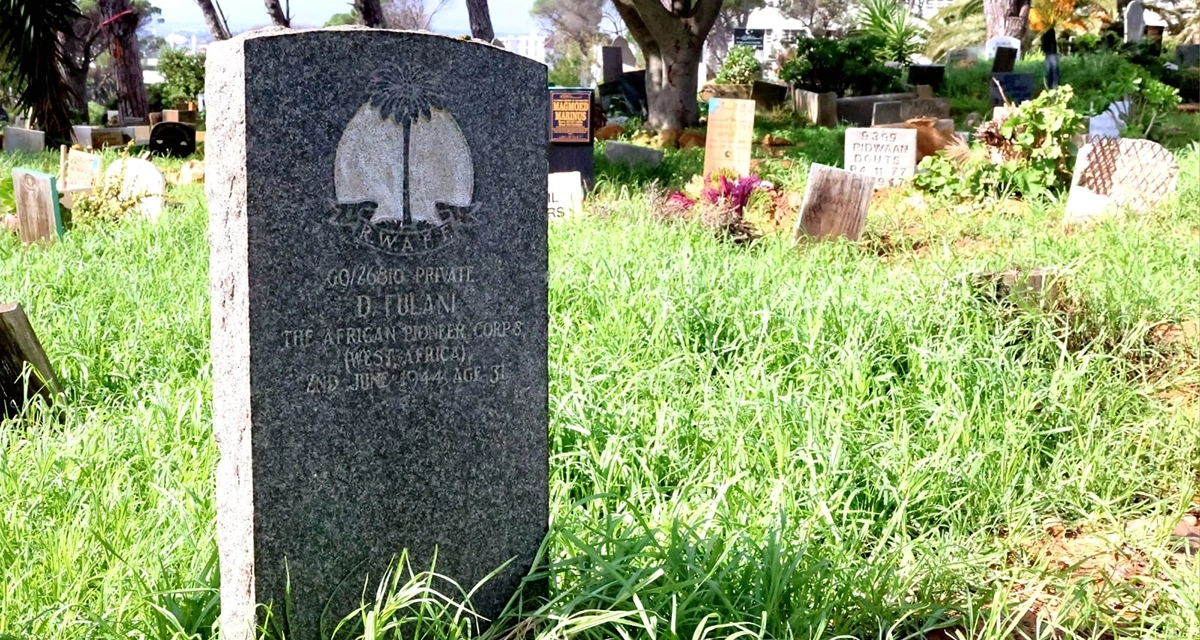
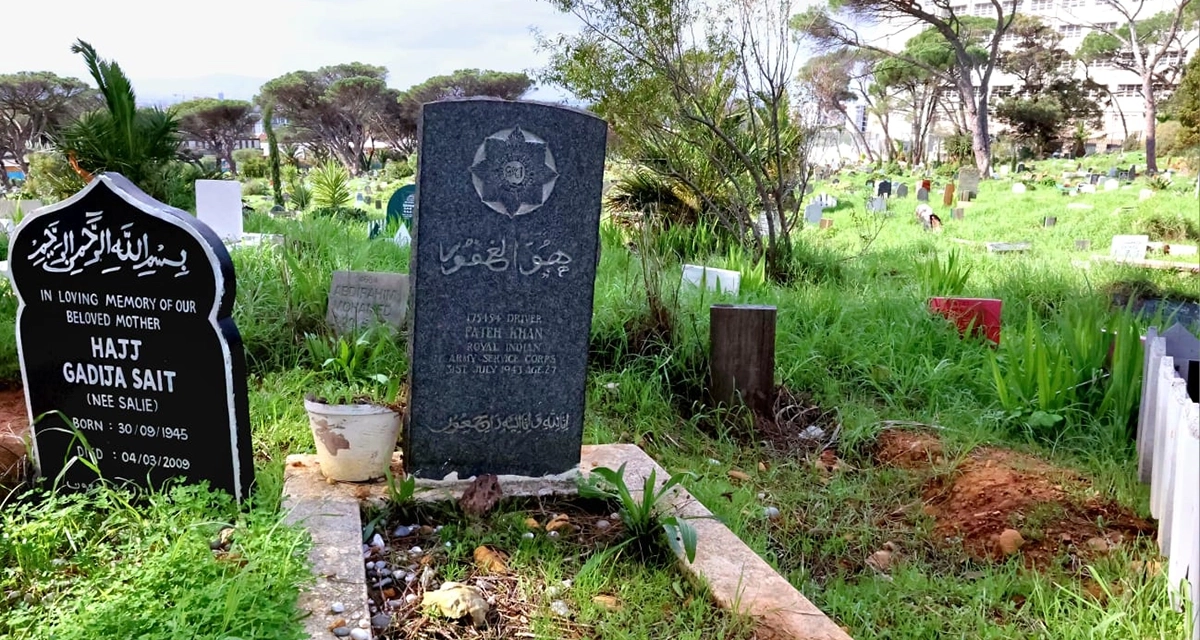
GALLERY: The graves of ten of the 13 Commonwealth soldiers buried at Mowbray Muslim Cemetery. (Photos: Anwar Omar)
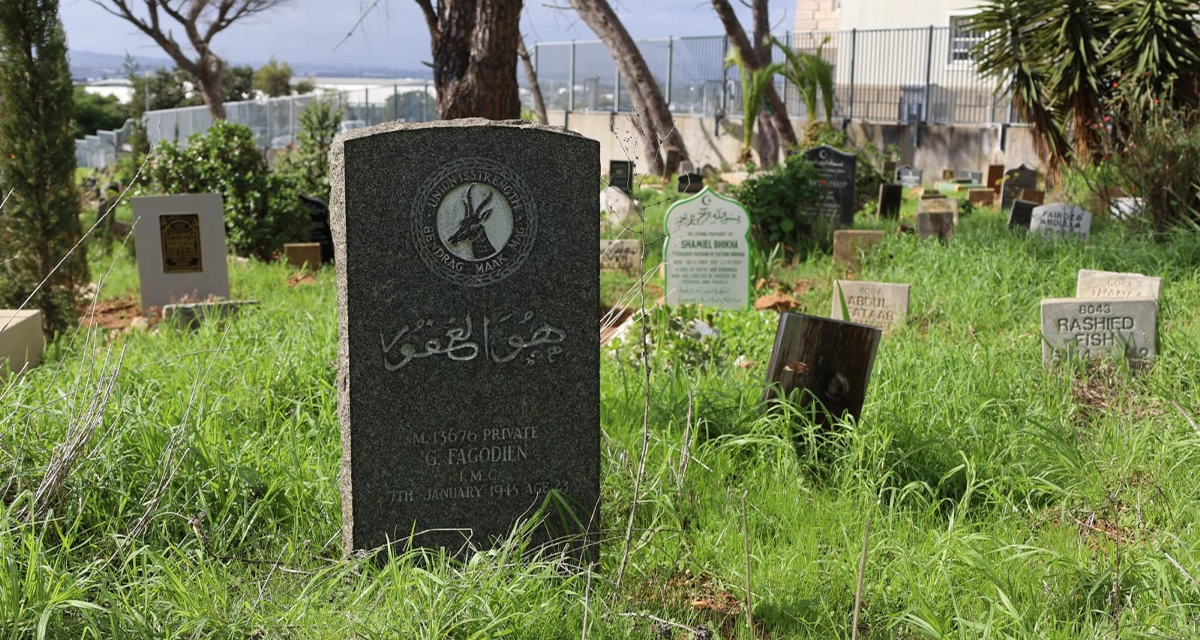




The case for national recognition of the cemetery as a whole
The Mowbray Muslim Cemetery is not just a series of separate heritage graves. It is an integrated cultural landscape of exceptional national significance.
Within this single site, the presence of two National Heritage kramats, two Provincial Heritage graves, and multiple other historically demonstrably significant sites is, in itself, an indicator of its extraordinary heritage density.
When considered alongside its role in the historical expansion of the Cape Muslim community, its associations with anti-colonial and anti-apartheid resistance, its connections to foundational figures in the lineage of Tuan Guru, and its function as a sacred, living burial landscape sustained across generations, a compelling case emerges.
The cemetery embodies spiritual continuity, political memory, a scholarly legacy, and community resilience in a manner that few sites in South Africa can match.
On this basis, the Mowbray Muslim Cemetery, in its entirety, deserves formal nomination and declaration as a National Heritage Site.
Anwar Omar is a South African Heritage Resources Agency (SAHRA) councillor. A founding member of the Salt River Heritage Society, Omar holds a master’s degree in Conservation and the Built Environment from the University of Cape Town (UCT).
References
Desai, Z. & Marney, R. (1978, repr. 2012). The Killing of the Imam. London: Quartet Books.
Morton, S. (2025). The Circle of Saints: Stories of the Kramats at the Cape. Awqaf South Africa.
National Heritage Council (2013). The Liberation Struggle and Liberation Heritage Sites in South Africa. Department of Arts and Culture.
Omar, A. (2022). ‘The Killing of Imam Haron: probable homicide or murder’, published in Muslim Views, December 23, 2022. Accessed at https://muslimviews.co.za/the-killing-of-the-imam-haron-probable-homicide-or-murder/ on May 9, 2026.
Omar, A.R. (1987). The Impact of the Death of Imam Abdullah Haron on Cape Muslim Political Attitudes (Honours Thesis). University of Cape Town.
Wills, I. (2023). Her Majesty’s Loyal Opposition: Protest, Petition, and Prison in British South Africa, 1875–1906. Senior thesis submitted to the History Department of Princeton University in partial fulfilment of the requirements for the degree of Bachelor of Arts, April 18, 2023.