




Muslim Views
No Result
View All Result
  • News
    • All
    • Local
    • National
    • World
    Manuel invitation sparks objections over Neville Alexander’s radical legacy

    Manuel invitation sparks objections over Neville Alexander’s radical legacy

    Two mosques, one Imam: Grieving Garden olives for Gaza take root in Claremont

    Two mosques, one Imam: Grieving Garden olives for Gaza take root in Claremont

    Yusuf Khan Dalwai appointed Al Jama-ah deputy to drive grassroots expansion

    Yusuf Khan Dalwai appointed Al Jama-ah deputy to drive grassroots expansion

    Habibia Siddique Muslim Brigade’s community service spanning over seven decades

    Habibia Siddique Muslim Brigade’s community service spanning over seven decades

    UCT alumni probe epistemicide, scholasticide and holocide in Palestine

    UCT alumni probe epistemicide, scholasticide and holocide in Palestine

    UUCSA concludes AGM and high-impact outreach sessions in Cape Town

    UUCSA concludes AGM and high-impact outreach sessions in Cape Town

    Cape Town mosque hosts Shabbat for Gaza in a garden of grief

    Cape Town mosque hosts Shabbat for Gaza in a garden of grief

    IQRA’ conference adopts ethical AI declaration linking technology to people

    IQRA’ conference adopts ethical AI declaration linking technology to people

    US midterms: shocking results deal devastating blow to Trump and Netanyahu

    US midterms: shocking results deal devastating blow to Trump and Netanyahu

    Global resilience grows as AI investment supports third-quarter growth

    Global resilience grows as AI investment supports third-quarter growth

    • National
    • World
    • Local
  • Opinion
    • All
    • Columnists
    • Discussions with Dangor
    • Editorial
    • Guest Writer
    Between Mandela and Morsi: Imran Khan and the sadism of the Pakistani state

    Between Mandela and Morsi: Imran Khan and the sadism of the Pakistani state

    Election debates, media power and democratic fairness in South Africa

    Election debates, media power and democratic fairness in South Africa

    Future-ready Islamic investing: why financial discipline still matters

    Future-ready Islamic investing: why financial discipline still matters

    Beyond representation: Why Muslim identity is not Islamic consciousness

    Beyond representation: Why Muslim identity is not Islamic consciousness

    US midterms: shocking results deal devastating blow to Trump and Netanyahu

    US midterms: shocking results deal devastating blow to Trump and Netanyahu

    Global resilience grows as AI investment supports third-quarter growth

    Global resilience grows as AI investment supports third-quarter growth

    FIFC 2026: a historic gathering helps shape the future of Islamic finance

    FIFC 2026: a historic gathering helps shape the future of Islamic finance

    The sovereign and the ballot: An Islamic perspective

    The sovereign and the ballot: An Islamic perspective

    Local government elections: bridging political theory and political practice

    Local government elections: bridging political theory and political practice

    De Kock’s crow and the FW de Klerk Foundation’s silence speak volumes

    De Kock’s crow and the FW de Klerk Foundation’s silence speak volumes

  • Features
    • All
    • 1500 Years of Prophetic Legacy
    • AWQAF SA
    • General Features
    • Imam Abdullah Haron
    • Tributes
    Read the latest edition of Muslim Views online

    Read the latest edition of Muslim Views online

    Scholarship, Sufism, and wasatiyyah: The living mandate of the Soofie centres

    Scholarship, Sufism, and wasatiyyah: The living mandate of the Soofie centres

    Moosa Kaprey honoured for lifelong struggle for justice, education and community

    Moosa Kaprey honoured for lifelong struggle for justice, education and community

    Local government elections: bridging political theory and political practice

    Local government elections: bridging political theory and political practice

    AI can write the thesis, but can it develop the scholar?

    AI can write the thesis, but can it develop the scholar?

    Gaza, the ballot and the MJC fatwa: a religious test before local elections

    Gaza, the ballot and the MJC fatwa: a religious test before local elections

    Faith in motion: remembrance, discipline and action on the Hijra Cycle Tour

    Faith in motion: remembrance, discipline and action on the Hijra Cycle Tour

    Tribute to Comrade Moosa Kaprey: a life of struggle, faith and service

    Tribute to Comrade Moosa Kaprey: a life of struggle, faith and service

    The siege of Masjid-us-Salaam: when the mimbar faced Apartheid Casspirs

    The siege of Masjid-us-Salaam: when the mimbar faced Apartheid Casspirs

    Hijra Cycle Tour: how repetition, renewal and discipline shapes us

    Hijra Cycle Tour: how repetition, renewal and discipline shapes us

    Ebrahim Carelse: remembering an Apartheid-era killing more than 40 years on

    Ebrahim Carelse: remembering an Apartheid-era killing more than 40 years on

    The remarkable story of Haneen of Gaza

    The remarkable story of Haneen of Gaza

    Imam Haron’s legacy unites Ubuntu, faith and the struggle for justice

    Imam Haron’s legacy unites Ubuntu, faith and the struggle for justice

    Imam Haron’s martyrdom and our unfinished struggle for justice

    Imam Haron’s martyrdom and our unfinished struggle for justice

    UWC’s honorary doctorates are a triumph over petty tribalism

    UWC’s honorary doctorates are a triumph over petty tribalism

  • Lifestyle
    • All
    • Arts
    • Books
    • Education
    • Food
    • Health
    • Motoring
    • Sport
    • Technology
    Hassan Howa book launch turns tribute into a challenge for South African sport

    Hassan Howa book launch turns tribute into a challenge for South African sport

    The life of Nabi Musa comes alive on stage

    The life of Nabi Musa comes alive on stage

    Ummah Tech 2026: Building faith-driven technology for lasting impact

    Ummah Tech 2026: Building faith-driven technology for lasting impact

    The premodern Sunni roots behind modern Jihadi Salafist political thought

    The premodern Sunni roots behind modern Jihadi Salafist political thought

    Islamic thought meets modern cosmology in a compelling new book

    Islamic thought meets modern cosmology in a compelling new book

    Breaking the stigma surrounding mental health in the Muslim community

    Breaking the stigma surrounding mental health in the Muslim community

    Rooted in his faith, Ruiters says his book has a message for all South Africans

    Rooted in his faith, Ruiters says his book has a message for all South Africans

    Nabil Yasien Mohamed explores Ghazali’s enduring search for certainty

    Nabil Yasien Mohamed explores Ghazali’s enduring search for certainty

    Reading the Prophet: knowing the sīrah, reading ourselves

    Reading the Prophet: knowing the sīrah, reading ourselves

    Cape Town art exhibition explores untold histories through art and archives

    Cape Town art exhibition explores untold histories through art and archives

  • Finance
    • All
    • Islamic Finance
    Future-ready Islamic Investing

    Future-ready Islamic Investing

    How “green-halal” sukuk are reshaping South African and global ethical finance

    How “green-halal” sukuk are reshaping South African and global ethical finance

    Future-ready Islamic investing: why financial discipline still matters

    Future-ready Islamic investing: why financial discipline still matters

    Before you trust the promise, find out what your money is really doing

    Before you trust the promise, find out what your money is really doing

    FIFC 2026: a historic gathering helps shape the future of Islamic finance

    FIFC 2026: a historic gathering helps shape the future of Islamic finance

    Beyond compliance: rethinking Islamic investment ethics

    Beyond compliance: rethinking Islamic investment ethics

    What our wealth should build

    What our wealth should build

    Cape Town to host global leaders exploring the future of ethical Islamic finance

    Cape Town to host global leaders exploring the future of ethical Islamic finance

    Beyond the handshake: Protecting family business and the people behind it

    Beyond the handshake: Protecting family business and the people behind it

    Your will is written, but who will fund the estate?

    Your will is written, but who will fund the estate?

  • Islam
    • All
    • Eid
    • Faith and Practice
    • Family
    • Hajj and Umrah
    • Moulood
    • Quran
    • Ramadaan
    Scholarship, Sufism, and wasatiyyah: The living mandate of the Soofie centres

    Scholarship, Sufism, and wasatiyyah: The living mandate of the Soofie centres

    The sovereign and the ballot: An Islamic perspective

    The sovereign and the ballot: An Islamic perspective

    Does ta’wīl mean interpretation or fulfilment? A Quranic reassessment [+video]

    Does ta’wīl mean interpretation or fulfilment? A Quranic reassessment [+video]

    The premodern Sunni roots behind modern Jihadi Salafist political thought

    The premodern Sunni roots behind modern Jihadi Salafist political thought

    Quranic compass to guide global debate on AI, food security and humanity

    Quranic compass to guide global debate on AI, food security and humanity

    The ‘stemme’ rise: how Cape Mawlid nurtures listening, love and community

    The ‘stemme’ rise: how Cape Mawlid nurtures listening, love and community

    Scholars at Masjidul-Quds Moulood call for everyday integrity

    Scholars at Masjidul-Quds Moulood call for everyday integrity

    Prophetic legacy for a world on fire: Iḥsān, adab and agency

    Prophetic legacy for a world on fire: Iḥsān, adab and agency

    Voices of faith: youth, scholars and relics unite for Moulood-un-Nabi

    Voices of faith: youth, scholars and relics unite for Moulood-un-Nabi

    Reading the Prophet: knowing the sīrah, reading ourselves

    Reading the Prophet: knowing the sīrah, reading ourselves

  • Archives
  • Donate
  • WhatsApp Channel
Muslim Views
  • News
    • All
    • Local
    • National
    • World
    Manuel invitation sparks objections over Neville Alexander’s radical legacy

    Manuel invitation sparks objections over Neville Alexander’s radical legacy

    Two mosques, one Imam: Grieving Garden olives for Gaza take root in Claremont

    Two mosques, one Imam: Grieving Garden olives for Gaza take root in Claremont

    Yusuf Khan Dalwai appointed Al Jama-ah deputy to drive grassroots expansion

    Yusuf Khan Dalwai appointed Al Jama-ah deputy to drive grassroots expansion

    Habibia Siddique Muslim Brigade’s community service spanning over seven decades

    Habibia Siddique Muslim Brigade’s community service spanning over seven decades

    UCT alumni probe epistemicide, scholasticide and holocide in Palestine

    UCT alumni probe epistemicide, scholasticide and holocide in Palestine

    UUCSA concludes AGM and high-impact outreach sessions in Cape Town

    UUCSA concludes AGM and high-impact outreach sessions in Cape Town

    Cape Town mosque hosts Shabbat for Gaza in a garden of grief

    Cape Town mosque hosts Shabbat for Gaza in a garden of grief

    IQRA’ conference adopts ethical AI declaration linking technology to people

    IQRA’ conference adopts ethical AI declaration linking technology to people

    US midterms: shocking results deal devastating blow to Trump and Netanyahu

    US midterms: shocking results deal devastating blow to Trump and Netanyahu

    Global resilience grows as AI investment supports third-quarter growth

    Global resilience grows as AI investment supports third-quarter growth

    • National
    • World
    • Local
  • Opinion
    • All
    • Columnists
    • Discussions with Dangor
    • Editorial
    • Guest Writer
    Between Mandela and Morsi: Imran Khan and the sadism of the Pakistani state

    Between Mandela and Morsi: Imran Khan and the sadism of the Pakistani state

    Election debates, media power and democratic fairness in South Africa

    Election debates, media power and democratic fairness in South Africa

    Future-ready Islamic investing: why financial discipline still matters

    Future-ready Islamic investing: why financial discipline still matters

    Beyond representation: Why Muslim identity is not Islamic consciousness

    Beyond representation: Why Muslim identity is not Islamic consciousness

    US midterms: shocking results deal devastating blow to Trump and Netanyahu

    US midterms: shocking results deal devastating blow to Trump and Netanyahu

    Global resilience grows as AI investment supports third-quarter growth

    Global resilience grows as AI investment supports third-quarter growth

    FIFC 2026: a historic gathering helps shape the future of Islamic finance

    FIFC 2026: a historic gathering helps shape the future of Islamic finance

    The sovereign and the ballot: An Islamic perspective

    The sovereign and the ballot: An Islamic perspective

    Local government elections: bridging political theory and political practice

    Local government elections: bridging political theory and political practice

    De Kock’s crow and the FW de Klerk Foundation’s silence speak volumes

    De Kock’s crow and the FW de Klerk Foundation’s silence speak volumes

  • Features
    • All
    • 1500 Years of Prophetic Legacy
    • AWQAF SA
    • General Features
    • Imam Abdullah Haron
    • Tributes
    Read the latest edition of Muslim Views online

    Read the latest edition of Muslim Views online

    Scholarship, Sufism, and wasatiyyah: The living mandate of the Soofie centres

    Scholarship, Sufism, and wasatiyyah: The living mandate of the Soofie centres

    Moosa Kaprey honoured for lifelong struggle for justice, education and community

    Moosa Kaprey honoured for lifelong struggle for justice, education and community

    Local government elections: bridging political theory and political practice

    Local government elections: bridging political theory and political practice

    AI can write the thesis, but can it develop the scholar?

    AI can write the thesis, but can it develop the scholar?

    Gaza, the ballot and the MJC fatwa: a religious test before local elections

    Gaza, the ballot and the MJC fatwa: a religious test before local elections

    Faith in motion: remembrance, discipline and action on the Hijra Cycle Tour

    Faith in motion: remembrance, discipline and action on the Hijra Cycle Tour

    Tribute to Comrade Moosa Kaprey: a life of struggle, faith and service

    Tribute to Comrade Moosa Kaprey: a life of struggle, faith and service

    The siege of Masjid-us-Salaam: when the mimbar faced Apartheid Casspirs

    The siege of Masjid-us-Salaam: when the mimbar faced Apartheid Casspirs

    Hijra Cycle Tour: how repetition, renewal and discipline shapes us

    Hijra Cycle Tour: how repetition, renewal and discipline shapes us

    Ebrahim Carelse: remembering an Apartheid-era killing more than 40 years on

    Ebrahim Carelse: remembering an Apartheid-era killing more than 40 years on

    The remarkable story of Haneen of Gaza

    The remarkable story of Haneen of Gaza

    Imam Haron’s legacy unites Ubuntu, faith and the struggle for justice

    Imam Haron’s legacy unites Ubuntu, faith and the struggle for justice

    Imam Haron’s martyrdom and our unfinished struggle for justice

    Imam Haron’s martyrdom and our unfinished struggle for justice

    UWC’s honorary doctorates are a triumph over petty tribalism

    UWC’s honorary doctorates are a triumph over petty tribalism

  • Lifestyle
    • All
    • Arts
    • Books
    • Education
    • Food
    • Health
    • Motoring
    • Sport
    • Technology
    Hassan Howa book launch turns tribute into a challenge for South African sport

    Hassan Howa book launch turns tribute into a challenge for South African sport

    The life of Nabi Musa comes alive on stage

    The life of Nabi Musa comes alive on stage

    Ummah Tech 2026: Building faith-driven technology for lasting impact

    Ummah Tech 2026: Building faith-driven technology for lasting impact

    The premodern Sunni roots behind modern Jihadi Salafist political thought

    The premodern Sunni roots behind modern Jihadi Salafist political thought

    Islamic thought meets modern cosmology in a compelling new book

    Islamic thought meets modern cosmology in a compelling new book

    Breaking the stigma surrounding mental health in the Muslim community

    Breaking the stigma surrounding mental health in the Muslim community

    Rooted in his faith, Ruiters says his book has a message for all South Africans

    Rooted in his faith, Ruiters says his book has a message for all South Africans

    Nabil Yasien Mohamed explores Ghazali’s enduring search for certainty

    Nabil Yasien Mohamed explores Ghazali’s enduring search for certainty

    Reading the Prophet: knowing the sīrah, reading ourselves

    Reading the Prophet: knowing the sīrah, reading ourselves

    Cape Town art exhibition explores untold histories through art and archives

    Cape Town art exhibition explores untold histories through art and archives

  • Finance
    • All
    • Islamic Finance
    Future-ready Islamic Investing

    Future-ready Islamic Investing

    How “green-halal” sukuk are reshaping South African and global ethical finance

    How “green-halal” sukuk are reshaping South African and global ethical finance

    Future-ready Islamic investing: why financial discipline still matters

    Future-ready Islamic investing: why financial discipline still matters

    Before you trust the promise, find out what your money is really doing

    Before you trust the promise, find out what your money is really doing

    FIFC 2026: a historic gathering helps shape the future of Islamic finance

    FIFC 2026: a historic gathering helps shape the future of Islamic finance

    Beyond compliance: rethinking Islamic investment ethics

    Beyond compliance: rethinking Islamic investment ethics

    What our wealth should build

    What our wealth should build

    Cape Town to host global leaders exploring the future of ethical Islamic finance

    Cape Town to host global leaders exploring the future of ethical Islamic finance

    Beyond the handshake: Protecting family business and the people behind it

    Beyond the handshake: Protecting family business and the people behind it

    Your will is written, but who will fund the estate?

    Your will is written, but who will fund the estate?

  • Islam
    • All
    • Eid
    • Faith and Practice
    • Family
    • Hajj and Umrah
    • Moulood
    • Quran
    • Ramadaan
    Scholarship, Sufism, and wasatiyyah: The living mandate of the Soofie centres

    Scholarship, Sufism, and wasatiyyah: The living mandate of the Soofie centres

    The sovereign and the ballot: An Islamic perspective

    The sovereign and the ballot: An Islamic perspective

    Does ta’wīl mean interpretation or fulfilment? A Quranic reassessment [+video]

    Does ta’wīl mean interpretation or fulfilment? A Quranic reassessment [+video]

    The premodern Sunni roots behind modern Jihadi Salafist political thought

    The premodern Sunni roots behind modern Jihadi Salafist political thought

    Quranic compass to guide global debate on AI, food security and humanity

    Quranic compass to guide global debate on AI, food security and humanity

    The ‘stemme’ rise: how Cape Mawlid nurtures listening, love and community

    The ‘stemme’ rise: how Cape Mawlid nurtures listening, love and community

    Scholars at Masjidul-Quds Moulood call for everyday integrity

    Scholars at Masjidul-Quds Moulood call for everyday integrity

    Prophetic legacy for a world on fire: Iḥsān, adab and agency

    Prophetic legacy for a world on fire: Iḥsān, adab and agency

    Voices of faith: youth, scholars and relics unite for Moulood-un-Nabi

    Voices of faith: youth, scholars and relics unite for Moulood-un-Nabi

    Reading the Prophet: knowing the sīrah, reading ourselves

    Reading the Prophet: knowing the sīrah, reading ourselves

  • Archives
  • Donate
  • WhatsApp Channel
No Result
View All Result
Muslim Views

A house divided: SA ulama split on Sayed Khamenei’s assassination

3 March 2026
in OPINION
Reading Time: 8 mins read
A A
A house divided: SA ulama split on Sayed Khamenei’s assassination

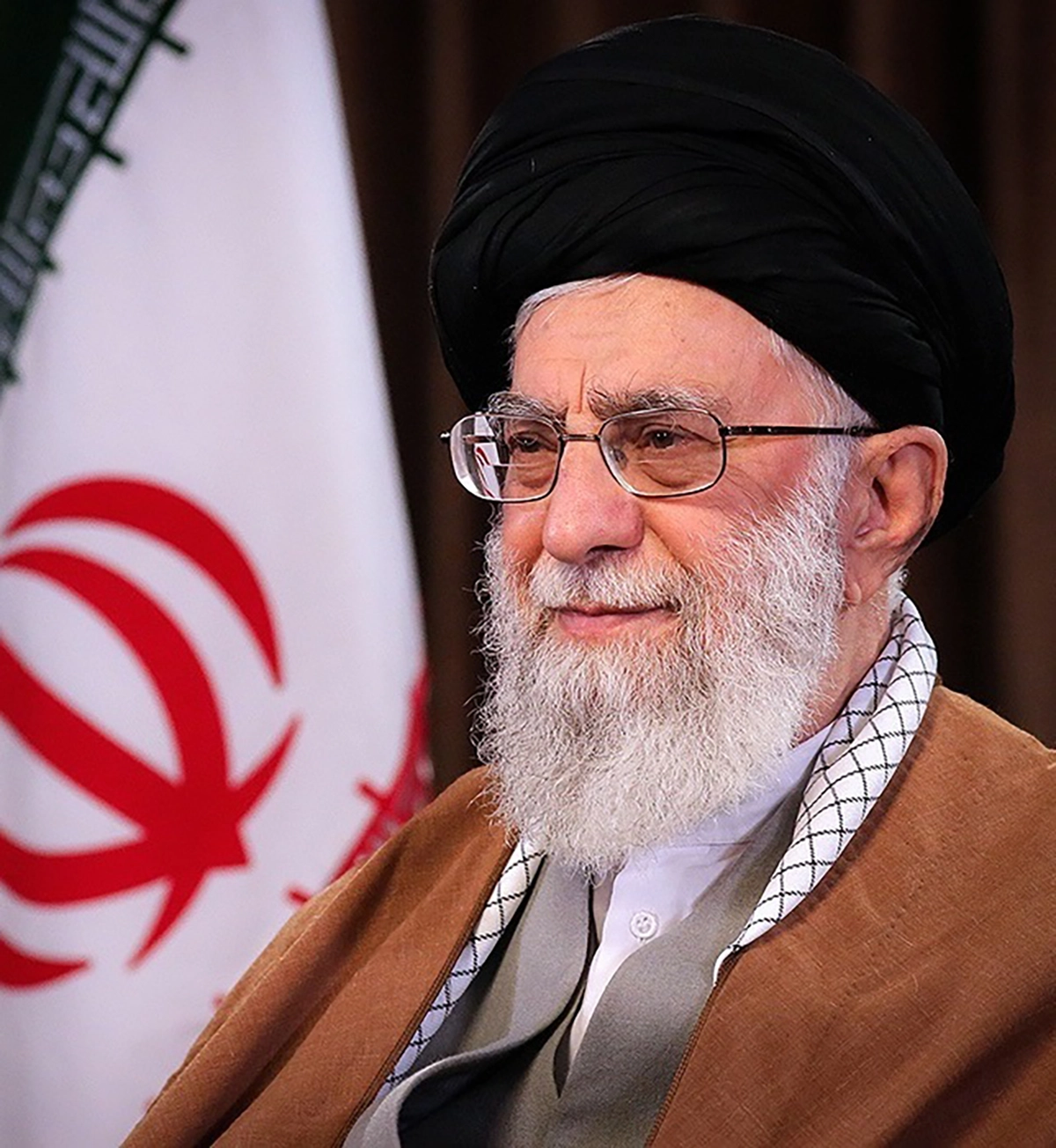
Iran’s Supreme Leader, Ayatollah Sayed Ali Khamenei, was killed in a joint US-Israeli airstrike on March 1. (Photo Wikimedia Commons)

Share on WhatsappShare on FacebookShare on Twitter

South Africa’s ulama are sharply divided over the assassination of Iran’s Supreme Leader Ayatollah Ali Khamenei, revealing deep theological tensions and strategic concerns within Muslim leadership.

By SAYED RIDHWAAN MOHAMED and NADEEM DAWOOD

South Africa’s Muslim leadership is sharply divided over how to respond to the killing of Iran’s Supreme Leader, Ayatollah Ali Khamenei, in a US-Israeli military strike on March 1. While some organisations condemn the assassination as a violation of international law others refuse to mourn him, citing his record of alleged sectarian violence against Sunni Muslims.

The split among some of South Africa’s influential Islamic scholars and bodies, revealed through statements released this week, exposes fundamental disagreements about loyalty, theology, and how Muslims should navigate geopolitical conflicts. But observers are asking a troubling question: while Muslims debate Khamenei’s theological legitimacy and political record, are Western and Israeli powers exploiting these divisions to strengthen their own position?

‘A violation of international law’

The Muslim Judicial Council South Africa (MJC-SA) placed on record its condemnation of Khamenei’s killing, arguing it violates the UN Charter’s prohibition on the use of force against the territorial integrity and political independence of any state.

‘The assassination of a foreign leader, outside the context of an armed conflict and without clear prior Security Council authorisation, engages the prohibition against the use of force and breaches the sovereignty and territorial integrity of the State affected,’ the MJC-SA stated.

The organisation called for international accountability, suggesting the matter be referred to the International Criminal Court. They argued that if superpowers can kill foreign leaders with impunity, no nation is safe, including Muslim-majority countries. For the MJC-SA, the principle of international law transcended questions of Khamenei’s theology or regional conduct.

The United Ulama Council of South Africa (UUCSA) took a similar stance but emphasised the humanitarian toll. They highlighted that ‘at least 165 girls of an elementary school, massacred in Minab’ were among those killed in the strikes. The UUCSA connected these deaths to suffering in Gaza and other conflict zones. ‘UUCSA stands in solidarity with all innocent civilians affected by conflict,’ the organisation stated, calling for peaceful dialogue and justice rather than violence.

The Cape Town Ulama Board, in its statement on the assassination of Iran’s Supreme Leader, Sayed Ali Khamenei, lauded him for his ‘resistance against global oppression and emphasised his unwavering support for Palestine.’ This photograph, taken in 1988 during his term as President of Iran, shows him visiting Division 31 of Ashura of the armed forces, donned in the keffiyeh symbolising solidarity with Palestinian resistance against occupation. (Photo: khamenei.ir via Wikimedia Commons)

‘He stood for Palestine’

The Cape Town Ulama Board offered a markedly different perspective, expressing condolences while acknowledging theological and political differences. They praised Khamenei for his resistance against global oppression and emphasised his unwavering support for Palestine.

‘He was a steadfast critic of the Zionist state of Israel, advocating for the liberation of Palestine and the rights of its people against illegal occupation,’ the board stated. They noted his refusal to abandon the Palestinian cause despite external pressure and international isolation.

The Cape Town board closed their statement with Nelson Mandela’s words: ‘Our freedom is incomplete without the freedom of the Palestinians’, positioning Khamenei within a global liberation struggle that transcended sectarian boundaries.

For the Cape Town Ulama Board, Khamenei’s anti-Zionist stance and commitment to Palestine transcended theological disagreements within Islam. His value lay in his refusal to compromise on resistance to Western dominance and Israeli occupation.

‘No tears for Khamenei’

The Jamiatul Ulama KwaZulu-Natal (JUKZN) struck a different tone with a statement titled ‘No Tears for Khamenei’. They argued that Muslims should not mourn him, pointing to his record in Syria, Lebanon, Iraq and Yemen — regions where Sunni Muslim communities suffered under Iranian-backed interventions.

‘While America and its allies attacked Muslims in Iraq, Palestine and Afghanistan, the Shia state of Iran, led by Ali Khamenei, was complicit in slaughtering our Muslim brothers in Syria, Lebanon and Yemen,’ the JUKZN alleged.

The organisation was particularly critical of Khamenei’s unwavering support for Syrian President Bashar al-Assad throughout Syria’s devastating civil war. ‘Under Khamenei’s leadership, backing Assad was framed as a religious duty,’ the JUKZN declared. ‘Militias were mobilised and the Syrian conflict resulted in catastrophic loss of life, displacement and destruction. Masajid were altered, communities torn apart and countless families left grieving.’

The JUKZN noted that many Syrians who suffered under Assad’s rule, with Iranian military support and backing, received news of Khamenei’s death ‘not with sorrow but with relief, even celebration’.

Significantly, the JUKZN acknowledged the legitimacy of supporting Palestine but refused to extend that support unconditionally to Iran. ‘Supporting the Palestinian cause remains a moral obligation on the Ummah,’ the JUKZN acknowledged. ‘However, allegiance in Islam cannot be reduced to a single political issue. No stance, however correct, erases a record of oppression elsewhere.’

The theological objection

The Wifaq Ulama went further, arguing that Khamenei should not be mourned because his theological positions place him outside Islam itself. As a leader of Twelver Shia Islam, it claimed Khamenei’s beliefs about the Qur’an, the status of the Prophet’s companions, and Shia Imams contradict what Wifaq considers essential Islamic doctrine.

‘There is consensus of the Ahlus Sunnah wal Jamā’ah that anyone who holds the above beliefs is out of the fold of Islam,’ the Wifaq stated. ‘Such a person, if killed, cannot be termed a martyr, and we cannot make du’ā for his forgiveness.’

The Wifaq Ulama also detailed Khamenei’s role in sectarian conflicts, describing him as ‘a despotic tyrant who bears responsibility for the suffering and loss of countless Muslims. He has the blood of our brothers and sisters on his hands.’

From the Wifaq perspective, Khamenei was never a legitimate Islamic authority. Therefore, mourning his death, even when killed by Western powers, constitutes not Islamic solidarity but theological confusion.

A troubling contradiction

As South African ulama debate whether Shias are truly Muslim, a fundamental contradiction haunts the discourse.

Al-Azhar, one of the world’s most prestigious and authoritative Sunni Islamic institutions, based in Cairo, has issued fatwas recognising Shias as part of the Islamic Ummah. This institutional position — that Shias, despite significant theological differences, remain within Islam — stands in direct tension with language used by some South African ulama describing Shias as ‘disbelievers’ and ‘deviants’ outside the fold of Islam.

Muslim observers are raising uncomfortable questions: If Al-Azhar, the supreme authority in Sunni Islamic jurisprudence, recognises Shias as Muslim, on what theological basis do some South African ulama bodies deny this status? And more pressingly, what does this internal contradiction mean for Muslim unity at a moment of external military aggression?

You may also want to read

The Roedean Affair: Institutional power and media complicity manufacture consent for Zionism

The Roedean Affair: Institutional power and media complicity manufacture consent for Zionism

16 February 2026
Right-wing and populist misinformation clouds positive potential of BELA Bill

Right-wing and populist misinformation clouds positive potential of BELA Bill

23 September 2024
OPINION: Silence on Palestine is complicity

OPINION: Silence on Palestine is complicity

21 May 2021 - Updated on 12 July 2021
Dilip Kumar made me do it – and Ziauddin Sardar helped him

Dilip Kumar made me do it – and Ziauddin Sardar helped him

4 August 2021 - Updated on 28 August 2024
From Tsushima to Hormuz: A new moment in the revolt against empire

From Tsushima to Hormuz: A new moment in the revolt against empire

26 June 2026
Cultivating divine relationality: Towards an education able to protect students in the age of artificial intelligence

Cultivating divine relationality: Towards an education able to protect students in the age of artificial intelligence

10 June 2025

The problem is not merely academic. It has profound strategic implications.

Two enemies, not one ally

The JUKZN and Wifaq Ulama statements present distinct concerns about Khamenei and Iran.

The JUKZN documents Khamenei’s military involvement across the region. They state: ‘While America and its allies attacked Muslims in Iraq, Palestine and Afghanistan, the Shia state of Iran, led by Ali Khamenei, was complicit in slaughtering our Muslim brothers in Syria, Lebanon and Yemen.’

The organisation uses the phrase ‘One enemy opposing another does not transform either into a friend’ to express their position that Western aggression and Iran’s regional conduct are separate concerns requiring separate assessments.

The Wifaq Ulama statement focuses on theological grounds. They argue that Khamenei’s theological beliefs place him ‘out of the fold of Islam’ according to Sunni Islamic consensus. The Wifaq states: ‘Khamenei was the head of the Ithnā ’Ashari (Twelver) Shias who routinely vilify Sahābah’ and hold other beliefs they characterise as contradicting Islamic doctrine.

Both organisations conclude that Khamenei should not be mourned, but they reach this conclusion through different analytical pathways: the JUKZN through assessment of his conduct in the region; the Wifaq through theological evaluation of his doctrinal positions.

The strategic cost of theological division

Here lies the strategic problem that community observers are raising with increasing concern: while Muslims are divided into competing Sunni and Shia camps, with some viewing Iran as an enemy and others as an anti-imperialist ally, the Zionist state and Western powers face no such internal constraints.

Israel and the United States act decisively against all Muslims — Sunni and Shia alike — while Muslim institutions debate whether the victim of aggression is even a legitimate Muslim authority worthy of support.

‘The common enemies are not divided,’ noted one community observer who requested anonymity. ‘They act in unison, with strategic clarity, while we fragment over theological differences that even our own great scholars cannot agree on. When Western powers struck Iran, they did not pause to debate whether Khamenei was Sunni or Shia, whether his theology was orthodox or heterodox. They simply acted. Meanwhile, ulama in South Africa are unable to present a unified response because of sectarian divisions.’

The observer’s point is stark: while the MJC-SA calls for international accountability, while the UUCSA raises humanitarian concerns, while the Cape Town Ulama Board emphasises anti-imperialism, and while the JUKZN and Wifaq fail to recognise a Shia leader’s contribution, the Israeli military consolidates its gains, and American planners proceed with their next moves. More troublingly, local South African Zionist organisations and Islamophobic elements are actively monitoring these Muslim divisions, weaponising theological disagreements to portray the Muslim community as hopelessly fractured and internally hostile. They understand perfectly well — perhaps better than some Muslim leaders themselves — that sectarian division weakens Muslim collective response.

Each public statement denying the Shia leader’s contribution to the Ummah becomes fodder for those seeking to undermine Muslim political influence globally. The external enemies of Muslim interests operate with clear strategic purpose; the internal theological debates, however genuine, inadvertently serve those purposes.

As one scholar put it: ‘The Zionists and Western powers are gaining strength precisely because we are divided. Every time a South African Muslim board declares that Shias are outside Islam, they are inadvertently serving the interests of those who want to see the Muslim world fragmented and weak.’

Different approaches

The statements from the ulama organisations reveal how South African Muslim leadership approaches the same crisis from completely different angles.

Each position has theological merit and internal logic. But together, they paint a picture of a Muslim community unable to present a unified response to external aggression that threatens all Muslims, regardless of sectarian affiliation.

The Al-Azhar bridge

The reference point of Al-Azhar’s recognition of Shias as Muslim should, in theory, provide common ground. If the Islamic world’s leading Sunni authority accepts Shias within the fold of Islam, it should establish a baseline for theological legitimacy that even conservative ulama bodies like the JUKZN and Wifaq would respect.

Yet the statements of some South African ulama bodies suggest that Al-Azhar’s institutional position has not filtered down to local scholarship or has been rejected in favour of stricter sectarian positions. This creates a hierarchy of Islamic authority: Al-Azhar says Shias are Muslim; some South African ulama bodies say they are not. Who is right? And what does this disagreement mean for how Muslims understand themselves and their obligations to one another?

These are not trivial academic questions. They have real consequences for how Muslims mobilise collectively and, crucially, how external powers perceive Muslim unity or division.

No unified voice, growing vulnerability

What is significant is that South Africa’s Muslim leadership chose to articulate genuine positions, even when they contradict each other fundamentally. This reflects a scholarly tradition willing to engage difficult questions publicly and honestly.

But the cost of this transparency is visibility of division. As Muslims debate whether a Shia-led Iran deserves solidarity, whether Khamenei was a legitimate Muslim authority, and whether anti-imperialism justifies support for a sectarian regional power, the Zionist state and its Western allies move forward with military operations against Iran without internal debate or division.

They have strategic unity. Muslims have theological purity, but at the expense of collective action.

The question before Muslim leadership

Whether this transparency eventually produces greater unity or further division in coming weeks remains unclear. What is certain is that South African Muslims will not speak with one voice about Khamenei’s death or Iran’s future, and that silence — or rather that cacophony of competing statements — is itself a form of vulnerability that external enemies can exploit.

The question facing Muslim leadership is whether internal theological clarity, particularly some Sunni ulama bodies’ insistence on Shia illegitimacy, is worth the price of external strategic weakness. Can the Muslim world afford to be divided along sectarian lines when facing unified external aggression?

Some argue that theological consistency is non-negotiable; that Muslims cannot compromise on doctrinal questions for the sake of political convenience. Others argue that at moments of external military threat, Muslims must find ways to unite despite theological differences, and that Al-Azhar’s recognition of Shias as Muslim should be sufficient basis for collective action.

The events of the past week suggest that these two imperatives — theological honesty and strategic unity — may be in irreconcilable tension. And that tension, more than any military strike, may be the greatest threat to Muslim collective interests in the face of shared adversaries who remain, despite all Muslim internal divisions, fundamentally united against Muslim interests.

As the region escalates and the full consequences of Khamenei’s assassination unfold, South African Muslim leadership will face this question directly: can we afford the luxury of our divisions?

Disclaimer: This is a geopolitical and institutional analysis of Muslim leadership responses to international events. The article does not constitute theological endorsement, sectarian advocacy, or political alignment with any organisation, leader or movement mentioned. The examination of various institutional positions reflects journalistic analysis of contemporary events and does not represent the authors’ or the publisher’s theological views. Readers are encouraged to consult directly with qualified religious scholars for theological guidance. Sayed Ridhwaan Mohamed and Nadeem Dawood, March 3, 2026.

Share on WhatsappShare on FacebookShare on Twitter

Subscribe to our Newsletters

* indicates required
Choose the newsletters you'd like to receive
Advertisement

You may also want to read

Between Mandela and Morsi: Imran Khan and the sadism of the Pakistani state
OPINION

Between Mandela and Morsi: Imran Khan and the sadism of the Pakistani state

17 November 2026
Election debates, media power and democratic fairness in South Africa
OPINION

Election debates, media power and democratic fairness in South Africa

13 November 2026
Future-ready Islamic investing: why financial discipline still matters
Islamic Finance

Future-ready Islamic investing: why financial discipline still matters

13 November 2026
Beyond representation: Why Muslim identity is not Islamic consciousness
OPINION

Beyond representation: Why Muslim identity is not Islamic consciousness

10 November 2026
US midterms: shocking results deal devastating blow to Trump and Netanyahu
World

US midterms: shocking results deal devastating blow to Trump and Netanyahu

6 November 2026
Global resilience grows as AI investment supports third-quarter growth
Local

Global resilience grows as AI investment supports third-quarter growth

6 November 2026
November 2026

November 2026

FILE SIZE : 5.6 MB
Download
Advertisement

Latest News

Between Mandela and Morsi: Imran Khan and the sadism of the Pakistani state

17 November 2026

Future-ready Islamic Investing

17 November 2026

How “green-halal” sukuk are reshaping South African and global ethical finance

17 November 2026

Manuel invitation sparks objections over Neville Alexander’s radical legacy

16 November 2026 - Updated on 17 November 2026

Two mosques, one Imam: Grieving Garden olives for Gaza take root in Claremont

16 November 2026

Yusuf Khan Dalwai appointed Al Jama-ah deputy to drive grassroots expansion

16 November 2026
Advertisement
Advertisement
ABOUT MUSLIM VIEWS
About Us
Archives
Terms & Conditions
Privacy Policy
Contact Us
Donate to Muslim Views
NEWS
Local
National
World
OPINION
Columnists
Discussions with Dangor
Editorial
Guest Writers
FEATURES
AWQAF SA
Imam Abdullah Haroon
Tributes
FINANCE
Islamic Finance
ISLAM
Eid
Faith and Practice
Family
Hajj and Umrah
Moulood
Quraan
Ramadaan
LIFESTYLE
Arts
Books
Education
Food
Health
Motoring
Sport
Technology

© Muslim Views 2026. All Rights Reserved

Design by: theimagehouse

Loading...

[mc4wp_form id=6780]

No Result
View All Result
  • NEWS
    • Local
    • National
    • World
  • OPINION
    • Columnists
    • Discussions with Dangor
    • Editorial
    • Guest Writer
  • FEATURES
    • AWQAF SA
    • Imam Abdullah Haron
    • Tributes
    • 1500 Years of Prophetic Legacy
  • LIFESTYLE
    • Arts
    • Books
    • Education
    • Food
    • Health
    • Motoring
    • Sport
    • Technology
  • FINANCE
    • Islamic Finance
  • ISLAM
    • Eid
    • Faith and Practice
    • Family
    • Hajj and Umrah
    • Moulood
    • Quran
    • Ramadaan
  • ARCHIVES
  • DONATE